What Homeowners Regret Skipping Before a Kitchen Remodel

A kitchen remodel often starts with the fun part. You collect ideas, save photos, compare finishes, and picture how the room could look once it feels fresh and complete. That stage has its place, but it can also pull attention away from the parts of a remodel that matter just as much.
Most kitchen regret does not come from one wrong tile choice or a paint color that looked warmer online. It usually comes from something more basic that got rushed, skipped, or pushed aside too early. A kitchen can end up looking better than before and still feel less useful than it should.
That is why the best remodels do more than update the surface. They take time to think through how the room will work, how it will hold up, and what daily life will actually look like once the project is done.
If a kitchen remodel is on the horizon, these are some of the things homeowners most often regret skipping before the work begins.
A Clear Reason for Remodeling in the First Place
It sounds simple, but it is easy to start a remodel without fully defining the real goal. Some people want a kitchen that looks more current. Others want better storage, easier flow, more prep space, or a layout that feels more open to the rest of the home.
Problems start when the goal stays too vague. If the plan is built around a general wish for a nicer kitchen, decisions can drift toward whatever looks appealing in the moment. A stronger remodel usually begins with a clearer question: what is not working now, and what should feel better when this is done?
That kind of clarity shapes every choice that follows, from layout to lighting to where the budget goes.
A Layout That Supports Daily Routines
Homeowners often spend a lot of time looking at finishes before they give the same attention to layout. That is understandable because materials are easier to picture. Layout is less glamorous, but it has more impact on everyday use.
The position of the sink, range, refrigerator, island, and prep areas affects how the whole room feels. A kitchen can have beautiful cabinetry and still feel frustrating if the walkways are tight, the work zones are awkward, or the storage sits too far from where it is needed.
This is one of the most common regrets because layout mistakes are harder to live with than finish mistakes. A backsplash can be changed later. A poorly planned kitchen flow is much harder to ignore.
A Realistic Look at How Much Storage Is Actually Needed
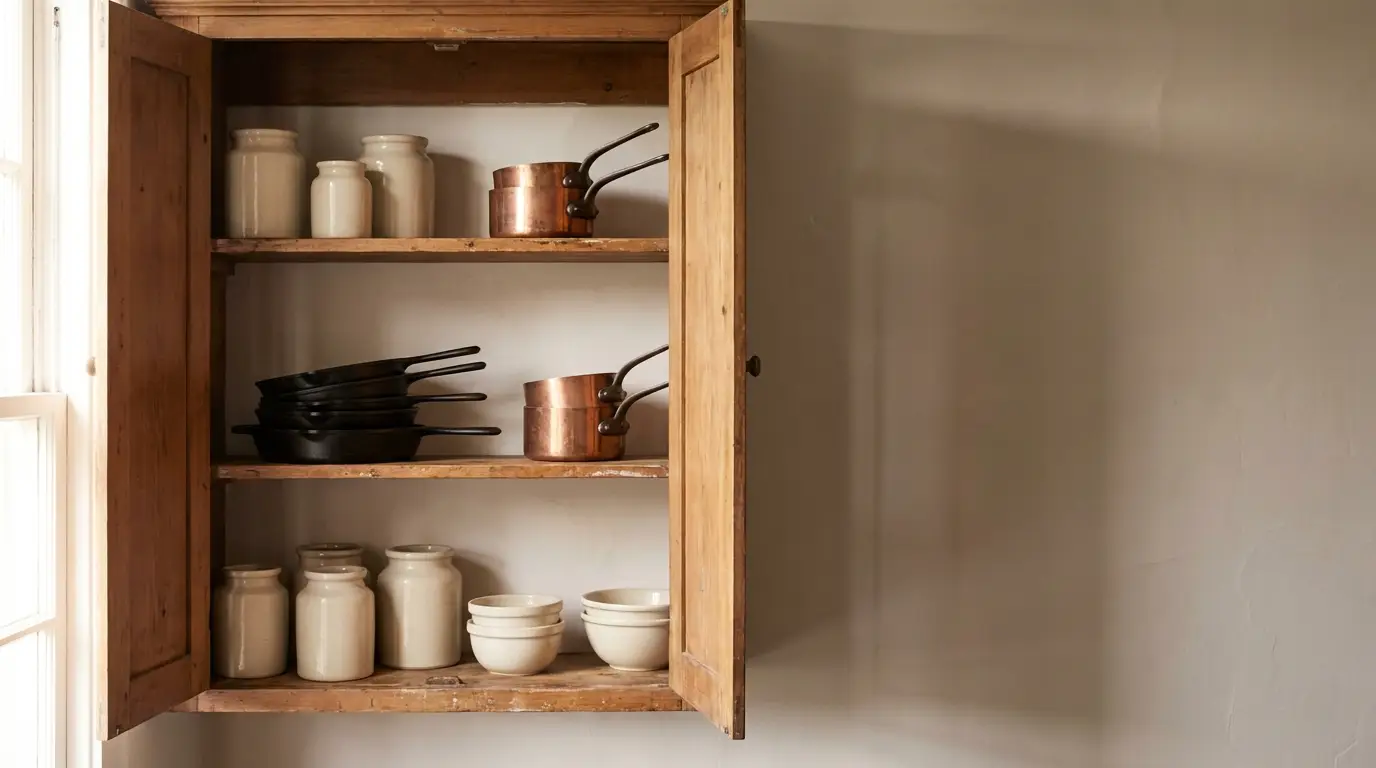
Storage is one of the first things people say they want more of, but it is also one of the most overlooked parts of early planning. It is easy to assume that new cabinets will solve the problem. Sometimes they do. Often, the issue is not just the amount of storage but the kind of storage the kitchen really needs.
Pots, pans, lunch boxes, serving pieces, small appliances, cleaning items, food containers, and pantry goods all need a place. The kitchen also has to support the less polished parts of daily life, like papers dropped on the counter, water bottles, pet items, and whatever tends to gather near the sink.
When storage is planned in a general way instead of a practical one, clutter finds its way back very quickly.
A Firm Budget With Room for the Less Visible Costs
Many homeowners set a budget based on the most visible parts of the remodel. Cabinets, counters, appliances, and flooring take up most of the attention, so those numbers tend to shape expectations early on.
What gets missed are the less obvious costs that often have a big effect on the final total. Prep work, electrical updates, plumbing changes, drywall repair, installation details, delivery fees, and longer lead times can all shift the budget in ways that feel frustrating if there is no room for them.
One of the most common regrets is not leaving enough space for the parts of the remodel that do not show up in the finished photos but are still essential to getting the room right.
The Right Order of Decisions
Kitchen remodels can feel overwhelming because so many choices are tied together. Cabinet plans affect appliance sizes. Appliance sizes influence layout. Layout affects lighting, outlets, and storage zones. Finishes usually come later, even though they often attract the most attention first.
When the order gets mixed up, the process becomes harder than it needs to be. Homeowners can end up comparing tile or hardware before the core structure of the room has been fully resolved. That usually leads to second-guessing, changes, and extra stress.
A better remodel tends to follow a steadier path, with the bigger practical choices guiding the decorative ones rather than the other way around.
Good Lighting Beyond the Decorative Layer
Lighting is one of those details that seems easy to handle later, yet it has a huge effect on how a kitchen feels. Many remodels focus on pendants, sconces, or statement fixtures because they help define the look of the room. That matters, but it is only part of the picture.
A kitchen also needs light where work actually happens. Prep zones, counters, the sink area, and cooking spaces all need clear and useful lighting. If that is skipped or treated as an afterthought, the room can feel less inviting and less practical once the remodel is complete.
This is often the kind of issue homeowners notice only after they start using the new kitchen every day.
A Close Look at Older Conditions in the Room
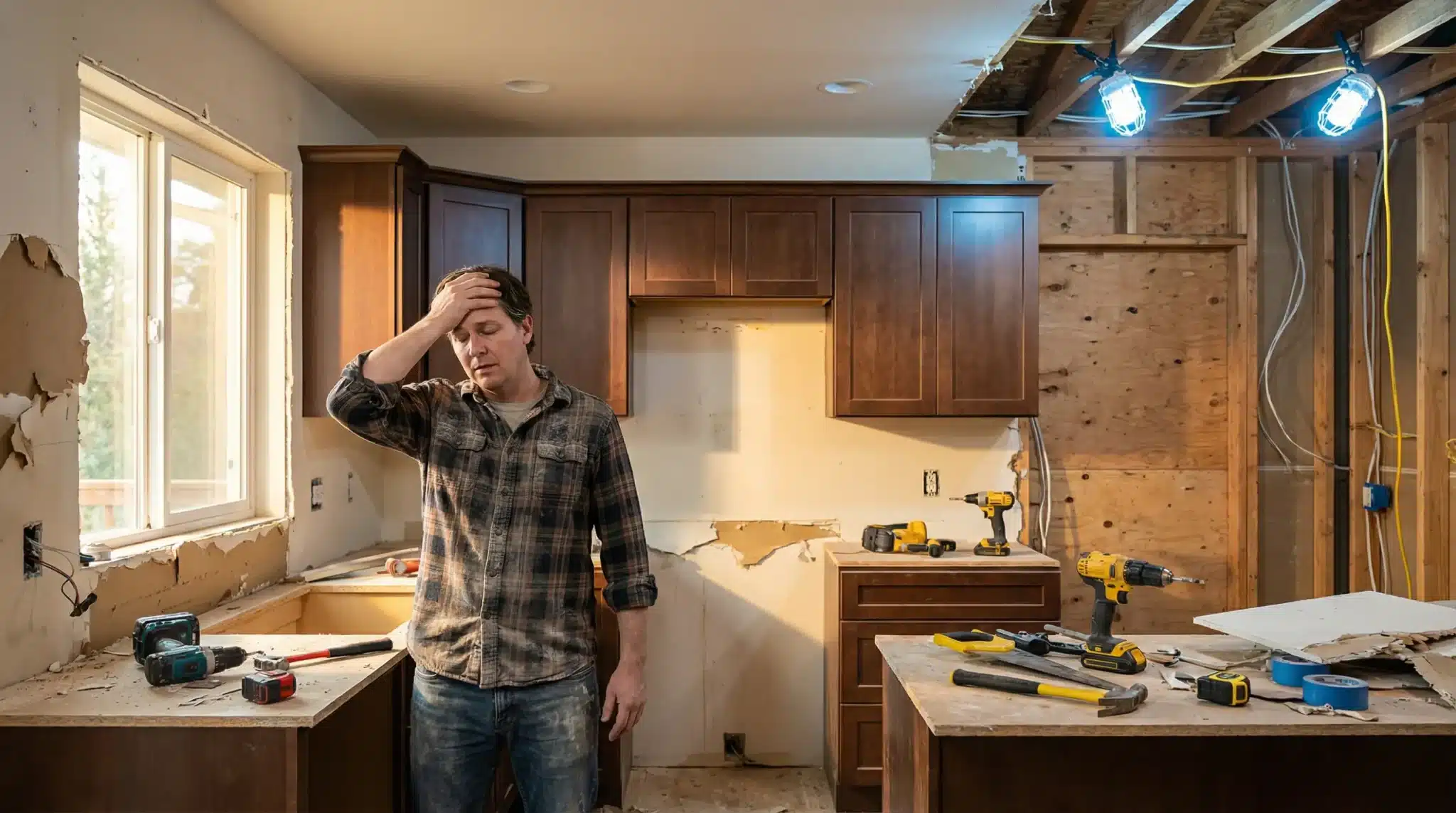
Older kitchens often reveal more once planning begins. Walls may be uneven, wiring may need updating, plumbing may sit in the wrong place for the new layout, and floors may show wear that was easy to overlook before the remodel took shape.
None of that is unusual, but it can affect the budget, the timeline, and the overall plan in a very real way. When older conditions are not considered early, they have a way of showing up later as delays or added costs.
This is one of the reasons it helps to assess the room honestly before getting too far into the visual side of the remodel.
Professional Guidance Before the Project Gathers Speed
A lot of homeowners wait until the plan feels crowded before asking for help. By that point, the wish list may have grown, the budget may feel less steady, and too many decisions may already be moving at once.
Bringing in the right support earlier can make the process far smoother. It helps create a clear plan, set priorities, and connect the design side of the remodel with the practical side. Working with an experienced kitchen remodeling contractor can also help prevent the kind of missteps that are easy to make when layout, timing, materials, and construction details all start overlapping.
That does not take away from the creative side of the project. In many cases, it protects it.
Final Thought
A kitchen remodel has a way of gathering momentum. Once ideas start coming together, it is easy to focus on the exciting parts and assume the rest will sort itself out along the way. That is usually where regret begins.
The projects that feel best in the long run are rarely the ones built on quick choices alone. They are the ones that take time to think through goals, layout, storage, budget, lighting, older conditions, and the order of the work before the visible pieces come into focus.
A beautiful kitchen matters, but a kitchen that truly works matters more. When the planning is strong from the start, the finished room tends to feel better in all the ways that last.