
Professional Agricultural Asset Oversight for Higher Returns

Why do some farms stay productive and valuable for many years while others slowly lose their strength? The answer often lies in how carefully the land and farm resources are managed.
Agriculture today requires attention, planning, and steady oversight. Land, soil, crops, and equipment must all work together to produce good results.
Without proper care, farmland can lose both productivity and financial value. Strong oversight helps protect the land while improving farm performance.
This guide explains how smart agricultural asset oversight helps landowners improve productivity and protect farmland value. Interested? Keep reading!
Understanding Agricultural Asset Oversight
Overseeing agricultural assets just means taking good care of farmland and farm resources over time. The land should be used for farming while its long-term value is protected. This means keeping an eye on the health of the soil, how well the crops are doing, and the condition of the tools. Overseeing a farm needs constant attention all year long.
During planting, growing, and harvesting seasons, managers watch how the land is doing. These things they’ve learned will help them make better choices in the future.
Traditional farming knowledge and well-thought-out planning go hand in hand with good oversight. Many farms that do well use methods that have been used for generations and have been shown to work.
Protecting the Value of Farmland
One of the most valuable things in farming is farmland. If you take good care of it, it can keep producing for many generations. But bad management can hurt the soil over time and make it worth less.
One of the most important parts of having control over farmland is making sure the soil is safe. Farmers often switch out crops, plant cover crops, and control how much water moves through their fields. These actions help keep the soil’s structure strong and its nutrients healthy.
Land checks done on a regular basis also help protect farmland. Managers look for issues like soil compaction, erosion, or poor drainage. When you fix small problems early, they don’t get worse and cost more to fix later.
Planning for Strong Crop Production
Each growing season starts with careful planning on farms that do well. Before planting, managers look at the soil, the weather, and the crops that people want.
Rotating crops is a simple but useful way to make plans. A lot of different plants need different types of food in the soil. By switching crops, you help the soil stay healthy and recover.
Good planning also gets farms ready for things that don’t go as planned. Things like weather and pests can quickly hurt crops.
Managing Farm Equipment and Infrastructure
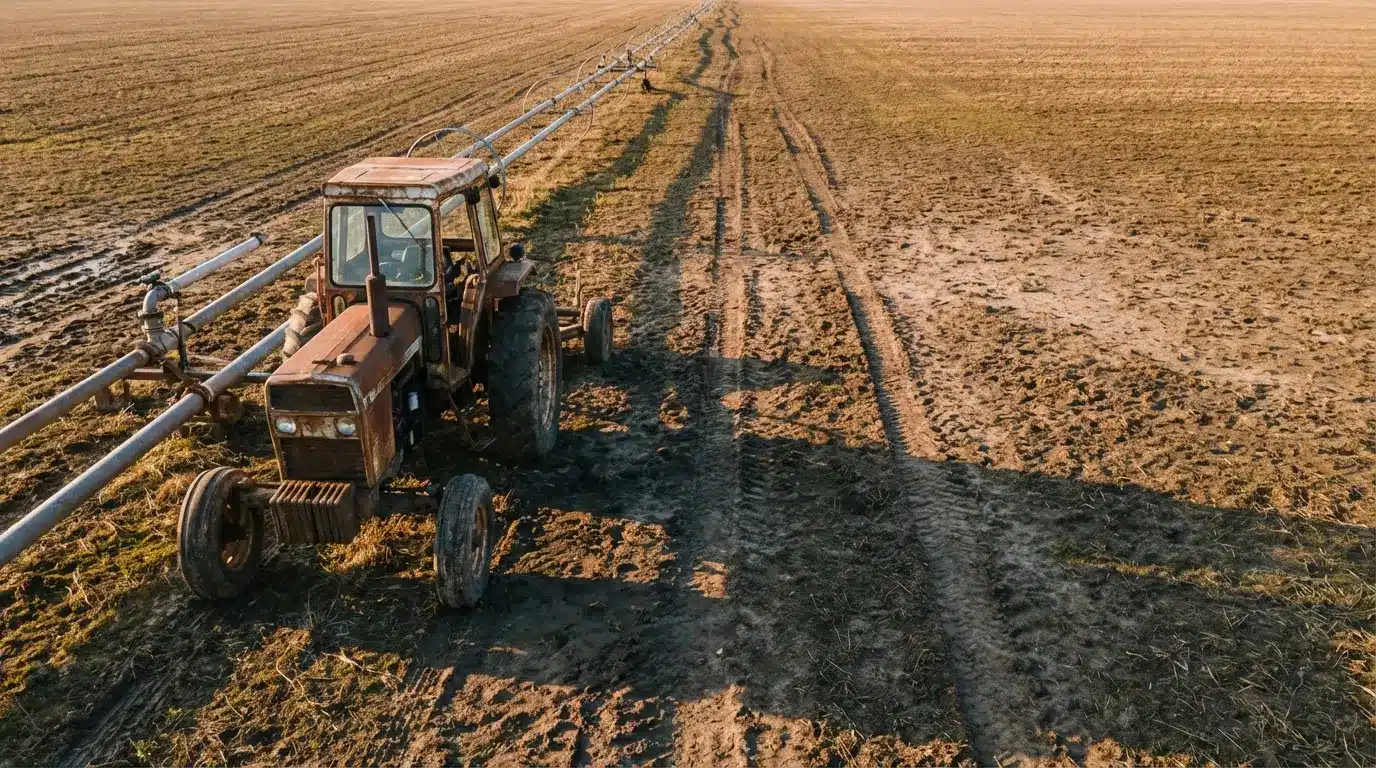
Farm equipment plays a major role in agricultural productivity. Tractors, irrigation systems, storage buildings, and transport roads all support daily operations. If these assets fail, work across the farm can slow down.
Regular maintenance helps keep equipment working properly. Simple tasks like cleaning machinery, checking parts, and replacing worn components can prevent breakdowns. Well-maintained equipment also lasts longer.
Infrastructure is just as important as machinery. Strong roads, working irrigation systems, and safe storage buildings support smooth farm operations. When these systems are maintained carefully, farms can operate more efficiently.
Using Information to Guide Farm Decisions
These days, farms often gather useful details about their crops and land. Soil tests, weather tracking, and records of yields can all tell you a lot. The managers can use this data to figure out what’s going on at the farm.
Patterns start to show up when you look at data over time. There may be better crops in some parts of a field than in others. Then, managers can change what they plant or fertilize to make weak spots better.
Managers can look at how past harvests went and see how things are now. These lessons will help you make better choices in the coming seasons.
Reducing Risks in Agriculture
Agriculture always includes some level of risk. Weather events, crop disease, and market changes can affect farm income. Careful oversight helps reduce these risks.
Growing different crops is one way farmers protect their operations. If one crop fails because of weather or pests, another crop may still succeed. This approach spreads risk across the farm.
Financial planning also helps farms remain stable. Insurance coverage and careful budgeting protect farms during difficult seasons. These tools help agricultural operations survive challenges and continue growing.
The Importance of Professional Farm Management
Some landowners choose to hire professional farm managers, like Midwest Land Management farm management to help them keep an eye on their farms. These experts oversee day-to-day tasks and help make sure that the land always gets proper care.
Their experience usually leads to higher productivity and more stable financial results. Professional managers also help landowners and farm operators plan their activities.
They keep an eye on how well crops are doing, how often equipment needs to be serviced, and how much the farm is spending. This well-organized setup makes farms run more smoothly all year long.
Supporting Sustainable Farming Practices
Sustainability is an important part of modern agriculture. Farms must produce different crops while also protecting natural resources. Responsible oversight helps achieve this balance.
Practices such as reduced tillage, crop rotation, and soil protection help preserve farmland. These methods prevent erosion and keep nutrients in the soil. Healthy soil leads to better harvests.
Sustainable farming also benefits surrounding communities. Farms that follow responsible practices often earn greater trust and respect. People tend to trust and respect farms more when they do things the right way.
Watching Agricultural Market Changes
Agricultural markets change over time as consumer demand shifts. Farmers who pay attention to these trends can adjust their strategies. Market awareness helps farms stay profitable.
Some crops become more valuable as demand grows. Technology also shapes the future of agriculture.
New equipment, improved seeds, and better farming methods continue to develop. Farms that adapt gradually often remain competitive for many years.
Maximizing Returns Through Expert Agricultural Asset Management
Having a professional watch over farms’ assets helps them stay productive and profitable for a long time. Planning carefully, protecting the soil, and keeping up with equipment maintenance are all things that help crops grow reliably.
Farmland is an important investment that will keep its value over time if it is well managed. Farms can adapt and keep growing as long as the people who own the land keep an eye on their resources and make changes as needed. Agricultural assets can bring in long-term profits for generations if they are carefully managed and decisions are made.
Did you like this guide? Great! Please browse our website for more!