Turning a Previously Damaged Room into a Long-Term Investment

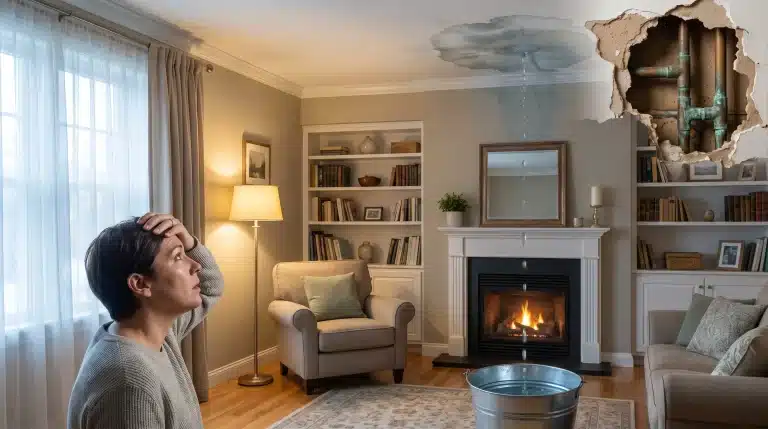
A damaged room carries a story. Maybe it flooded. Maybe it sat unused for years. Maybe it absorbed the wear of heavy traffic or an outdated design. Whatever the cause, damage has a way of freezing a space in time. It becomes the room you close the door on. The one you mean to fix “eventually.” The one that quietly lowers the value of the entire home.
Turning that space into a long-term investment requires a mindset shift. Instead of seeing repair as a cost, you treat it as capital allocation. Every decision becomes strategic. What will extend the life of this room? What will increase its usefulness? What will make it relevant ten years from now? When damage forces a reset, you have a rare chance to rebuild with foresight rather than habit.
Start With Professional Remediation
An investment only performs as well as its foundation. In a previously damaged room, that foundation is not just structural; it includes air quality, moisture levels, and unseen contamination. It is tempting to focus on visible surfaces first because that is where progress feels tangible. However, unseen damage is what quietly reduces long-term value.
Professional remediation shifts the focus below the surface. Carpet cleaning & flood restoration solutions, for example, address more than stained fibres or damp flooring. They examine subfloor integrity, trapped moisture, and lingering odour sources that can compromise new finishes. If water once seeped beneath the surface, simply replacing materials will not protect your investment. Proper restoration stabilises the environment so every improvement built afterwards has a clean, reliable starting point. In financial terms, this is risk management before expansion.
Reinforce Structural Elements During Reconstruction
A previously damaged room presents an unusual opportunity: temporary access to areas that are normally sealed off for decades. This access should not be wasted. Strengthening framing, adjusting floor levelling, or correcting small alignment issues now can prevent subtle performance problems later.
For instance, if a floor once sagged under moisture stress, reinforcing joists during reconstruction adds durability that was not there originally. If a ceiling showed signs of stress, installing additional bracing creates long-term confidence. These structural adjustments may not be visible in the final reveal, yet they define how the room holds up under daily use.
Upgrade Materials Instead of Replacing Like-for-Like
Reconstruction creates a choice between replication and evolution. Reinstalling the same materials that previously failed often leads to repeating the same outcome. A smarter approach is to evaluate how the room is actually used and select materials that align with that reality.
If the space handles heavy foot traffic, consider high-resilience flooring rather than reintroducing delicate surfaces. If humidity played a role in the original damage, moisture-tolerant wall systems may provide greater durability. Material selection becomes less about aesthetics and more about lifespan.
Rethink the Room’s Purpose
Damage often reveals that a room was underutilised or poorly aligned with current needs. Instead of restoring it to its former function automatically, take a step back and evaluate its potential. A forgotten storage room might convert into a home office. A damaged basement could become a rental-ready suite or media space.
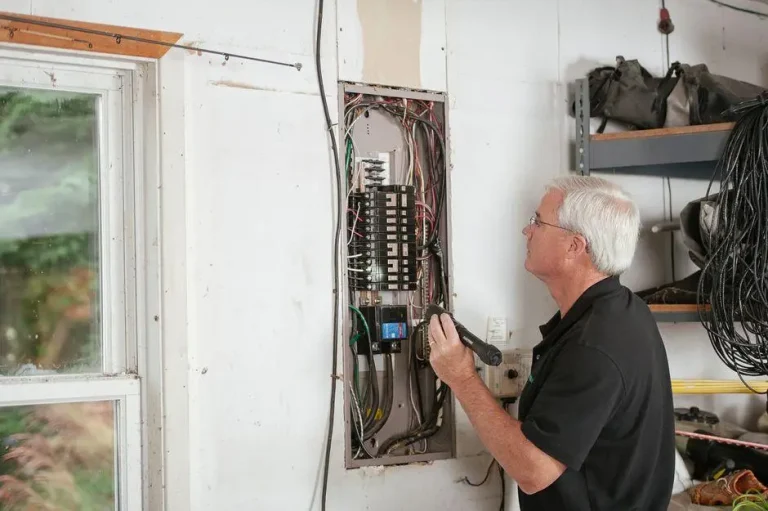
Repositioning the room’s purpose increases its contribution to the household. Adding functional value transforms it from a liability into an asset. For example, installing proper lighting, integrated storage, and updated electrical outlets during reconstruction can support new uses that were never considered before.
Choose Durable Finishes Over Trend-Based Décor
Short-term trends often date a space quickly. Investment-focused design favours materials and finishes that age well. Neutral colour palettes, quality trim, and hardware designed for daily wear contribute to long-term appeal.
Durability also influences cost over time. High-grade finishes withstand impact, friction, and cleaning without constant touch-ups. Solid-core doors feel substantial and hold up better under use. Thoughtful finish choices protect the room’s appearance for years, reducing the need for frequent refreshes. Long-term value grows when the room continues to feel relevant and well-maintained long after the renovation dust settles.
Add Soundproofing Where Applicable
Sound control rarely gets attention during standard renovations, yet it has a measurable impact on long-term value. If the room is being rebuilt, walls and ceilings are already accessible, which makes this the ideal time to address acoustics. Adding insulation designed for sound control, sealing gaps around outlets, or using resilient channel systems can significantly change how the room feels once completed.
This is particularly valuable if the space may serve as a home office, guest suite, rental area, or media room. Quiet rooms feel intentional. They feel solid. They feel finished at a higher level. Soundproofing does not show up in listing photos, yet people immediately notice the difference when they step inside.
Upgrade Flooring with Longevity in Mind
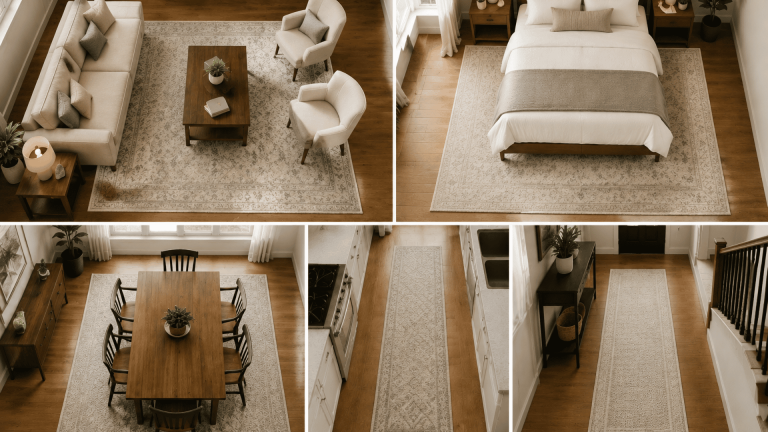
Flooring carries visual weight and daily wear. In a previously damaged room, replacing flooring is not just about appearance. It is about selecting a surface that aligns with the room’s environment and future use.
For example, in spaces that previously experienced water exposure, engineered hardwood with moisture resistance, porcelain tile, or high-quality vinyl plank may provide greater durability. In high-traffic areas, dense materials that resist scratching and denting extend lifespan. Flooring should be chosen with the next decade in mind, not just the next season.
A previously damaged room does not have to remain a reminder of loss. With strategic thinking, it can become one of the most resilient and valuable areas in the home. The difference between a repair and an investment lies in intention. When each decision supports durability, adaptability, and long-term performance, the room stops being a setback and starts becoming an asset.