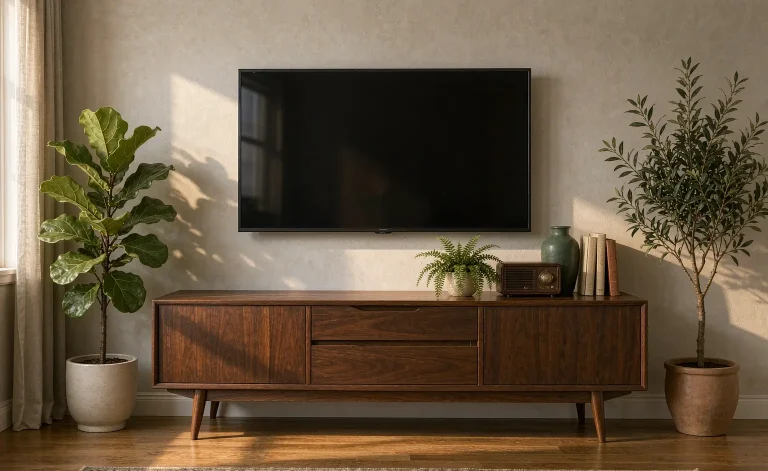
How Handcrafted Pieces Transform Your Living Space

You usually notice furniture when something feels off. A chair wobbles during dinner, or a desk edge nags your wrists during a long email stretch. Even a well decorated room can feel strangely tiring when the basics are slightly wrong, because you end up adjusting your body and your routines around the furniture instead of the other way around.
That is where a handcrafted piece changes the experience. It is not about a dramatic makeover moment, it is about a room working better every day. A piece from Parkman Woodworks is built around how people actually sit, eat, reach, store, and move, so proportions and materials hold steady under real use. When the fit is right, the room feels quieter, your habits feel easier, and everything else in the space looks more intentional.
If you want, I can also smooth the first few paragraphs of the next H2 so the transition is even cleaner, but this revision alone should fix the “thin and hanging” feeling at the top.
What Handwork Changes in Daily Use
The first difference is stability you can feel without thinking about it. A table that does not rack, and a shelf that does not sway, changes the mood. You stop bracing for noise and movement, and the room feels settled.
The second difference is touch points that make sense for the body. Edges get softened where forearms land, and clearances match knees and chair arms. Those small choices turn a “nice looking” piece into something you rely on.
Handmade work also tends to respect how a room is pulled together as a set. When wood tone, metal finish, and scale relate, the space feels intentional instead of pieced together. That same idea shows up in well planned coordinated furniture elements, where balance often matters more than matching.
Another difference is how weight is distributed through the base and legs. A wider stance can feel safer, even when the top stays visually light. That matters in busy rooms where kids, pets, and guests bump corners.
Finishes matter here too, since furniture lives inside the air you breathe. Some coatings and glues release more gases than others, especially right after delivery. The EPA’s overview of volatile organic compounds and indoor air quality is a solid reference for that tradeoff.
Materials and Joinery That Age Well

Solid wood behaves differently than thin veneers, and you can see it over time. It resists edge chips, it can be sanded and refinished, and it wears in slowly. That does not mean it stays perfect, but it usually stays repairable.
Steel can play a quiet role when it is used with purpose. In bases and supports, it adds stiffness while letting the wood stay warm. It also allows slimmer profiles, which helps rooms feel lighter without giving up strength.
Joinery is where the long term story is decided. Mechanical connections like mortise and tenon, dowels, or well planned screws reduce wobble as seasons change. When joints are reinforced thoughtfully, drawers keep their alignment and doors stay square.
It helps to know what you are paying attention to when you evaluate a piece. These details are easy to spot once you know where to look. They also make comparisons feel less like guesswork.
- Look under the top: Cross supports and solid aprons reduce flex over years of use.
- Check drawer action: Smooth travel often comes from good sizing and consistent hardware alignment.
- Scan the corners: Tight, even joints tend to stay stable after seasonal humidity swings.
- Notice the finish feel: A consistent surface usually resists water rings and small scuffs better.
Humidity is the part most people underestimate, especially in older homes. Wood takes on and releases moisture as indoor conditions shift, which can nudge panels. Oregon State University Extension explains why drying wood to the right level helps limit movement, and their overview on air and shed drying lumber adds useful context.
Fit, Proportion, and Placement in Real Rooms
A custom piece starts with measurement, but it ends with how you move. You want walking paths that stay open, and drawers that clear nearby furniture. When those basics work, the room feels easy even on busy weekdays.
Scale is also about sight lines, not just inches on a tape. A heavy credenza can make a small room feel crowded, while a slimmer case feels calm. That is why depth often matters more than width in tighter living areas.
Think about the job of the piece, then place it where the job happens. A desk works best near an outlet and natural light, not just where it fits. A dining table needs chair pull back space, even if it looks fine.
Room shape affects choices more than most people expect. In a long room, one anchor piece can help the space stop feeling like a hallway. In a square room, a narrower profile can keep the center open.
It also helps to repeat one or two forms throughout a space. Maybe it is a similar leg profile, or a shared metal finish across several items. That quiet repetition makes the room feel planned without looking staged.
Living With It and Keeping It Looking Good

Handmade furniture earns its keep when maintenance stays simple. Felt pads prevent most floor and leg wear, and coasters reduce finish stress. A quick wipe with a damp cloth, followed by a dry one, usually works.
Small repairs are normal, and that is a good thing. A surface scratch can often be touched up, and a loose fastener can be tightened early. Those routines fit neatly into broader easy home maintenance habits that keep rooms feeling cared for.
Sunlight is another slow factor that changes wood tone over time. If one side of a table gets full afternoon sun, it can shift faster than shade. Rotating decor and rugs now and then helps aging look even.
Daily habits also matter more than special products. Hot takeout containers can mark some finishes, so a trivet helps. Writing on paper without a pad can leave pressure dents, especially on softer woods.
Practical takeaway: If you want a room that feels calm every day, focus on pieces that fit your body and layout. Look for stable joinery, sensible dimensions, and finishes that match your household routines. When those parts line up, the room stops feeling fussy and starts feeling dependable.