

Must-Know Tips Before Starting Your Next Home Improvement Project

Thinking about improving your home, but not sure where to start?
Home projects can be exciting, but they can also get tricky if you don’t plan well. Choosing the right materials, setting a clear budget, and knowing which jobs need experts can save time and money.
Small mistakes can turn into big problems, so learning the basics first is smart. Are you ready to make your home better without stress or surprises? Simple tips can make a big difference in your results.
Let’s dive in.
Set a Budget First
Before starting any home improvement project, it is important to know how much money you can spend. Setting a clear budget helps you avoid unexpected costs and stress.
Think about the cost of materials, tools, and labor. Add a little extra for emergencies or changes along the way. Sticking to your budget is easier if you plan every step.
When money is tight, you can still make smart choices without overspending. For more guidance or to find trusted help, resources like Contractor Source can make the process simpler.
Plan Ahead
Planning ahead is key to a smooth home improvement project. Write down all the tasks you want to do and decide the order in which they should happen. Think about how one task might affect another.
For example, painting a wall before fixing a broken floor can make the work harder. Planning also includes thinking about when to start and how long each step will take.
A good plan helps you stay organized and reduces mistakes. It is much easier to follow a plan than to figure things out as you go along.
Do Your Research
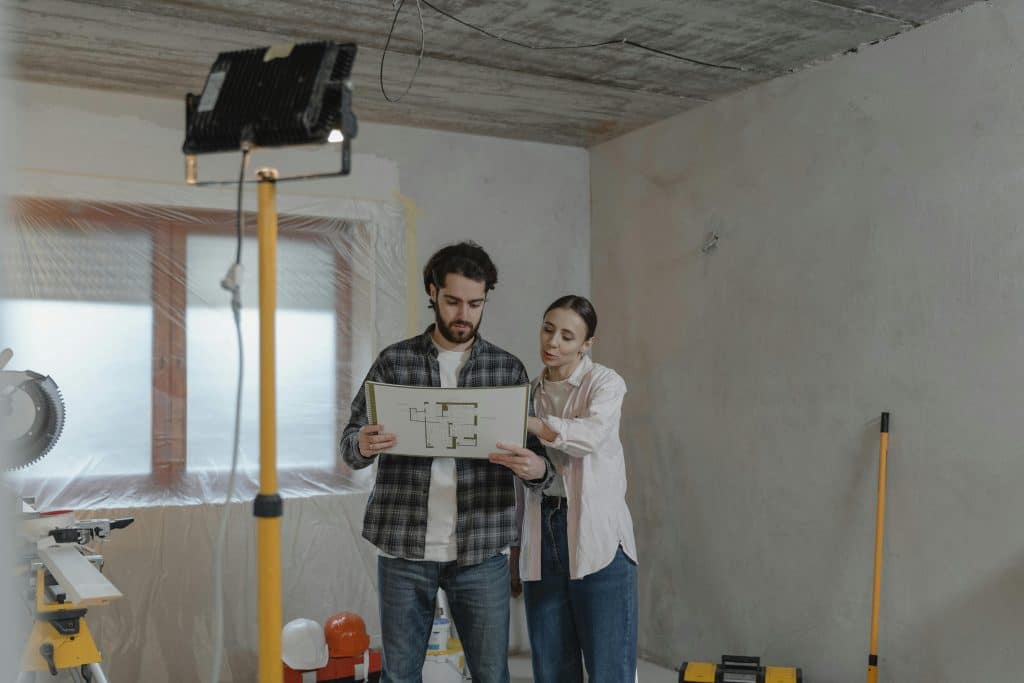
Research is one of the most important steps before buying anything. Learn about the materials and tools you will need. Read reviews, watch videos, or ask people who have done similar projects.
Knowing the right tools and materials will save time, money, and frustration. Learning basic techniques before starting helps you feel confident and ready.
Even small projects, like changing a faucet, can become tricky if you do not know the correct method. Research also helps you avoid wasting money on products that do not last or do not fit your project’s needs.
Hire Professionals When Needed
Some home improvement jobs need experts. Electrical work, plumbing, or structural changes can be dangerous if done incorrectly. Hiring a professional ensures the job is safe and follows building rules.
Professionals also have experience and can complete work faster and with better results. It may cost more upfront, but it saves money and problems later.
Trying to do a complex job yourself can lead to mistakes that are expensive to fix. Knowing when to call a professional is part of being smart with your home projects.
Check Permits
Many home improvement projects require permits from local authorities. This is especially true for structural changes, electrical work, and plumbing. Checking permits before you start keeps you from breaking the law and facing fines.
Permit rules are in place to keep homes safe. Even if a project seems small, it is better to confirm with your local office. Getting permits may take time, so include it in your schedule.
Completing projects legally protects your home and future resale value. A project done without proper approval may cause problems if you sell your home later.
Measure Carefully
Measuring correctly is a step that many people overlook. Mistakes in measurement can lead to wasted materials and poor results. Double-check all dimensions before buying supplies or cutting materials.
Measure walls, floors, and spaces for furniture or appliances. Make sure tools like tape measures are accurate. Even small mistakes can cause big problems in installation or fit.
Taking extra time to measure correctly is a simple way to save money and stress. Accurate measurements help the project go smoothly and reduce the chance of errors.
Choose Quality Materials
Choosing quality materials is more important than finding the cheapest options. Cheap items may seem like a good deal, but often wear out quickly. Spending a little more on strong and durable materials will save money in the long run.
Quality materials look better, last longer, and reduce the need for repairs. Even small projects benefit from good materials, like using solid wood instead of particleboard.
Think about how the materials will handle daily use. Durable products give you peace of mind and make your home improvement efforts worthwhile.
Prepare for Mess

Home improvement projects often create dust, dirt, and spills. Preparing your home for the mess makes cleanup easier and protects your belongings. Cover furniture, floors, and other items that could get dirty.
Clear the work area so it is safe and organized. Having cleaning supplies ready saves time. Small precautions prevent accidents and protect your investment.
Even minor projects, like painting or installing shelves, can leave dust and debris. A little preparation before starting keeps the project under control and reduces stress.
Set Realistic Timeframes
It is important to be realistic about how long a project will take. Many projects take longer than expected, especially if it is your first time doing them. Plan extra time for unexpected issues, such as missing materials or bad weather.
Setting realistic deadlines helps prevent frustration. Rushing can lead to mistakes, while taking your time often leads to better results. Break the project into smaller steps and focus on one at a time. Realistic timeframes help you stay on track and finish the project successfully.
Stay Flexible
Even the best plans can face challenges. Problems may come up, like delays in delivery, mistakes in measurement, or changes in design. Being flexible allows you to adjust your plan without stress.
Adapt to the situation instead of getting frustrated. Flexibility helps you make better decisions and keep the project moving forward. Sometimes, a small change can improve the final result.
Staying calm and flexible ensures that your project continues smoothly, even when unexpected issues arise.
Ready to Transform Your Home with Confidence?
Starting a home improvement project can feel overwhelming, but careful planning makes it easier and more rewarding. By setting a budget, doing research, hiring help when needed, and staying flexible, you can avoid stress and costly mistakes.
Each step, no matter how small, brings your vision closer to reality. Take these tips to heart, and watch your home improvement project succeed smoothly and confidently.
Did you find this article helpful? You can check out our website for more awesome content like this!