

How to Choose the Perfect Garden Stakes for Your Outdoor Space

Walking into a garden full of colorful flowers and lively plants is a wonderful feeling. But creating a beautiful garden takes more than planting seeds and watering them. You also need to focus on small but important details, like garden stakes.
Garden stakes may seem simple, but they play a big role in helping plants grow and look neat. With so many types of stakes available, choosing the right one can feel confusing. That’s why this guide is here to help.
With easy tips and clear advice, you’ll learn how to pick the best garden stakes for your needs. This guide will help you build a healthy and attractive garden.
Understanding the Role of Garden Stakes
Garden stakes serve multiple purposes, ranging from supporting plants to enhancing the aesthetic of your garden. Proper staking helps plants grow upright, which is crucial for crops like tomatoes and sunflowers that can become top-heavy. Furthermore, garden stakes can be an integral part of your garden’s design, adding color and style while maintaining the health of your plants.
Types of Garden Stakes
With a variety of types to choose from, it can be overwhelming to decide which ones are perfect for your garden. Start by considering your plants and their specific needs. If you have tall or climbing plants, choose sturdy and tall stakes such as bamboo or metal poles.
For delicate plants, opt for smaller and more delicate stakes such as wooden or plastic ones. Keep in mind the overall style and aesthetic of your garden and choose stakes that complement it. Remember, the perfect garden stakes will not only support your plants but also enhance the beauty of your outdoor space.
Material Matters: Choosing the Right Material for Your Garden Stakes
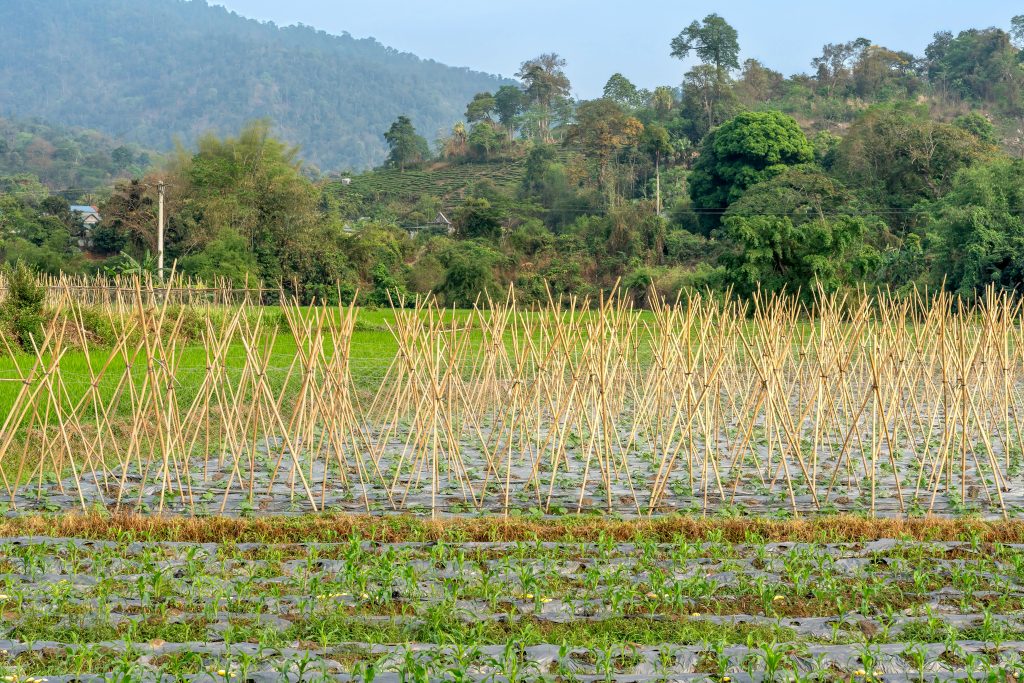
The type of material used in garden stakes can significantly impact their performance and longevity. Here’s a breakdown of popular materials:
Wood
Wooden garden stakes are typically made from untreated cedar, pine, or bamboo. Cedar is a popular choice due to its natural resistance to decay.
Wooden stakes can blend into the garden while providing solid support. However, they may require replacements over time due to rot, especially in wet climates.
Metal
Metal stakes are often made from aluminum or steel. Aluminum is lightweight and resistant to rust, making it ideal for long-term use.
Steel stakes are incredibly strong but can rust if not coated properly. For a robust option capable of supporting heavy plants, metal stakes are often favored.
Plastic
Plastic stakes are usually composed of PVC or similar products. They are often treated to withstand UV rays, ensuring long-term durability. Their lightweight nature makes them easy to move around, but they may not provide as much support as wooden or metal options.
Design and Aesthetics
While functionality is crucial, the design of garden stakes can also contribute significantly to the overall look of your outdoor space. Here are a few considerations:
Color and Style
Consider the colors of your plant beds and choose stakes that either contrast or complement the existing palette. Many gardeners enjoy using colorful stakes to brighten flowerbeds, for instance, adding a lively element to their plants. Unique designs can become a focal point, adding interest during seasons when fewer plants are in bloom.
Height and Thickness
The height of garden stakes is essential for providing the right support. Tall stakes are necessary for larger plants, while shorter options work best for smaller varieties.
Stake thickness should also correlate with the type of plant you’re supporting. Heavier plants may require thicker stakes for adequate support.
When to Use Garden Stakes
Understanding when to use garden stakes is key in maintaining plant health and supporting growth. Timing is critical; stakes should be added at the right moment to ensure plants have the support they need from the beginning. Here are some scenarios where stakes are particularly useful:
Supporting Young Plants
Many young plants need extra support as they begin to grow. Installing stakes early on can prevent them from becoming weak or leggy. For instance, tomato plants should be staked as soon as they are planted to keep them upright and healthy.
During Weather Changes
Strong winds or heavy rainfall can threaten the stability of plants. Adding stakes before a storm can help prevent damage, ensuring that delicate plants are protected. Furthermore, stakes can keep plants from sprawling over pathways or competing with each other for sunlight.
DIY Garden Stakes: A Fun Project
If you’re feeling crafty, creating your own garden stakes can be a fun project. Here are some ideas to consider:
Materials Needed
Common materials used for DIY garden stakes include wooden dowels, paint, and decorative materials like ribbons or beads. You can customize your stakes to fit your garden’s theme.
Steps to Create Your Own Stakes
The first step is to determine the purpose of the stakes, whether it is for supporting tall plants or marking the boundaries of the garden. Next, consider the material of the stakes, such as wood, bamboo, or metal, based on the climate and type of plants in your garden.
Measure the height and weight of the plants to ensure the stakes can provide adequate support. Finally, get creative and personalize your stakes by painting or decorating them to match your garden decor. With these steps, you can easily create the perfect garden stakes for your outdoor paradise.
Maintaining Your Garden Stakes
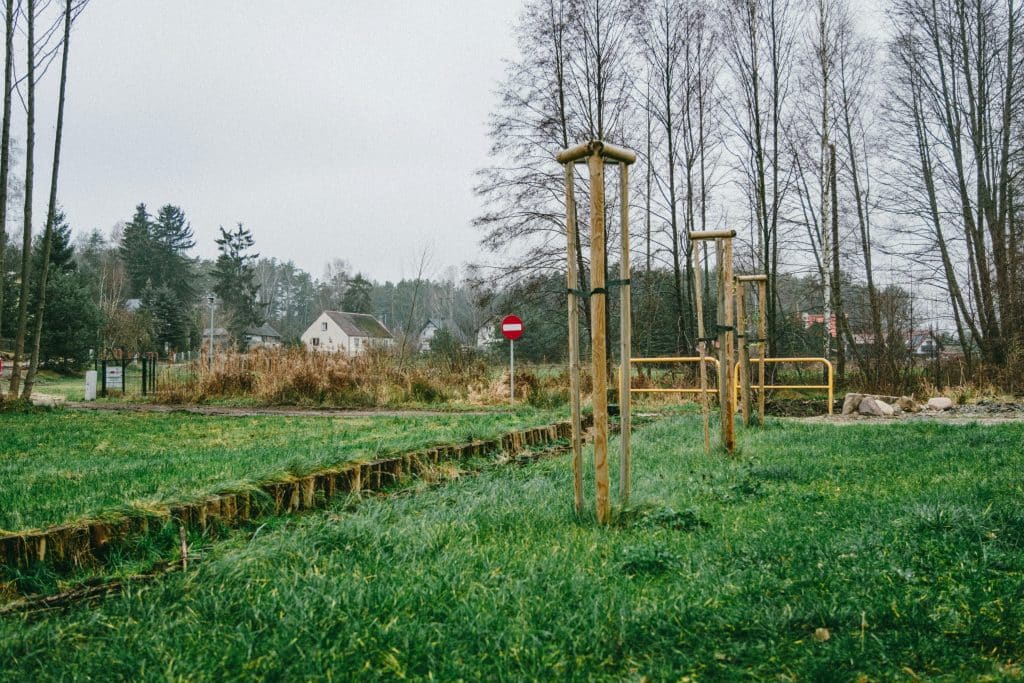
Even the best garden stakes require maintenance to extend their life. Here are some maintenance tips to consider:
Regular Inspection
Periodically check your stakes for signs of wear or damage. Wooden stakes can rot, while metal stakes may rust. If you notice any issues, consider replacing the stakes to ensure continued support.
Cleaning
It’s essential to keep your garden stakes clean to avoid introducing diseases to your plants. Wipe down the stakes periodically, especially after storms, to remove any debris that could harbor pests or diseases.
Choosing the Best Garden Stakes for Your Space
Finding the right garden stakes involves understanding their roles, types, materials, and proper usage. By carefully considering each of these factors, you can create an inviting outdoor space that fosters healthy plant growth and organization.
Whatever your gardening needs, there are numerous options available to choose from. Start exploring the various garden stake options now to support and enhance your garden’s beauty!
Looking for more tips and advice? You’re in the right place! Make sure to bookmark our page and come back to check out more interesting articles.