How to Make Your Home Feel Safer and More Functional

Home is where the heart is, but it’s also one of the most likely places for accidents to occur. You let your guard down at home, and oftentimes, accept less-than-standard safety features due to over-familiarity. However, making your home safe for your family and guests is one of the best investments you can make.
Thankfully, there are many simple, affordable, and quick ways to upgrade the safety quotient in your home without unnecessary hassle. Begin your home safety journey today for a healthier, happier, and safer home tomorrow.
Curate a Household Emergency Kit and Plan
When a disaster strikes, the last thing you want is to be without a plan. Build an emergency kit and establish a household emergency plan so you’re prepared, confident, and equipped for whatever happens.
First, assess the types of disasters most likely to happen in your area, which differ based on climate and terrain. Coastal areas will be more prone to hurricanes, while mountain areas may need to plan for landslides. All emergency plans should prepare for fires, power outages, and major storms.
Next, create a baseline kit for any disaster situation. Keep everything in sight with a rechargeable LED flashlight for everyone in the household. Include the charging cord, a portable power bank, and store them in a water-tight container.
Add other LED lighting essentials into your kit to ensure you have backups and optimal functionality. An LED lantern emits light throughout the room, while an LED headlamp allows the wearer to navigate hands-free.
Stash enough water and shelf-stable food for at least three days, focusing on no-prep, high-nutrition items. By eliminating the need to cook or prepare food, you reduce the complexity of managing nutrition during a disaster. Include all food types your household requires, including baby food and formula.
Store blankets, towels, and basic clothing in a water-tight tote. Include thick plastic trash bags, which can store items and serve as a water barrier for sleeping areas. Add age-specific essentials like diapers, wipes, and required medication.
Make a plan for what you’ll do in the event of a disaster and discuss it with your family. Get their input, improve the plan, and practice it to stress-test your strategy and reduce potential anxiety.
Conduct a Home Audit to Identify Weak Spots

Start at the beginning to enhance your home safety practices with a whole home safety audit. When you assess each space carefully, you learn where you can improve and be more efficient with your safety enhancements.
Print off your home’s floor plan and your property map, both available on most county assessor sites. Use these as a guide to list out each room and property area on a notepad or document. List each area and establish a checklist to review as you conduct your audit.
Outdoors
- Condition of Exterior- As siding, brick, stucco, and other materials age, they need to be repainted, patched, or replaced. Note any deterioration, rotting, or signs of water infiltration.
- Windows and Doors- Look at each window and door for proper fit, caulk, and drainage. Over time, things shift, expand, and crack, requiring simple repairs. Animals may pick at caulk or attempt to enter, damaging water-tight seals and sills.
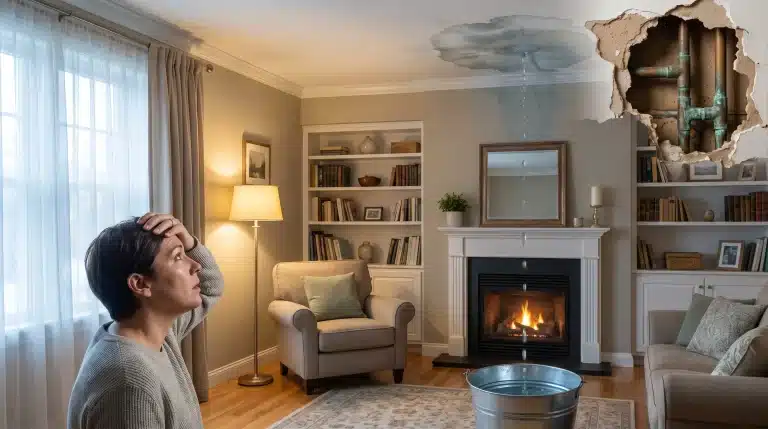
- Foundation- Assess the foundation and spot any cracks or evidence of shifts in the soil. Make sure that landscaping is pulled back from the foundation and that plantings aren’t attempting to infiltrate your foundation.
- Drainage- Water invites problems inside your home, so check that gutters and downspouts direct rainwater away from your home. Confirm that they’re clear of leaves and debris, including any buried pipe and at joints and elbows where material sticks.
Indoors
- Doors- Inside the home, check for air-tightness. Use a hair dryer to check seals inside and out and make note of gaps that call for weatherstripping. Check that locks are tight both at the knob and deadbolt, and assess if there’s a need for additional security. Confirm that you have the keys to all locks and that they are accurately labeled.
- Windows- Do the same air-tightness check as you did with your doors. Manipulate locking mechanisms to confirm tightness and that the window opens as designed, including cleaning-friendly features. Upstairs, ensure that furniture is away from windows to deter children from climbing up and opening windows.
- Crack Check- Look at floors, walls, ceilings, and alongside trim to identify any cracks, broken seals, or changes. Some expansion and contraction is expected, especially in areas with hot and cold swings, but others may indicate problems. Take photos to log differences each year and monitor noteworthy changes.
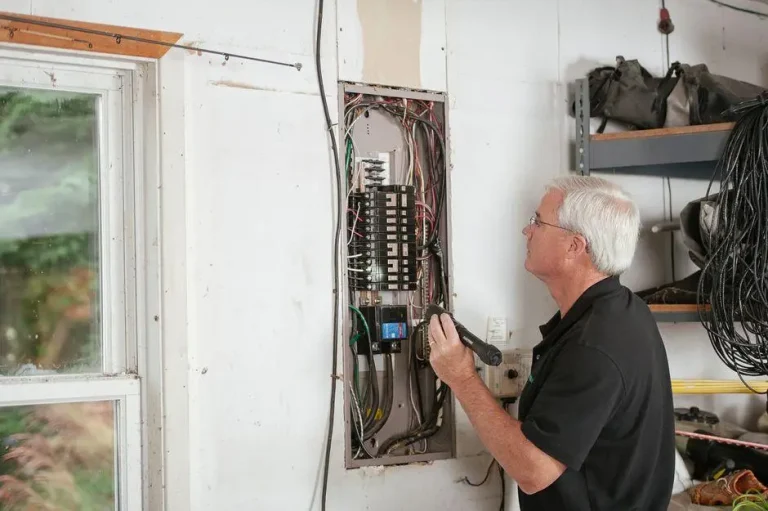
- Utility Function- Check all home appliances and utilities for their functionality and condition. Ensure light switches operate as expected, faucets run without leaking, and home essentials are in good condition. Create a list of all home appliances, their age, condition, and expected life to plan for their eventual replacement.
Establish and Follow a Standard Maintenance Schedule
Take care of what’s yours and establish a household maintenance schedule that keeps tasks organized and manageable. Use your home audit as a guide for home zones, high-risk areas, and high-traffic spaces. This method of organization will influence the timing of maintenance tasks and guide their repair and replacement schedule.
Create a table listing the weekly, monthly, quarterly, semi-annual, and annual tasks. Include a check of your emergency kit in your semi-annual check to confirm battery life and food freshness. Laminate and store this list in a visible place based on your maintenance routine, checking off items when complete.
Home Safe Home
Home is the place you look forward to all day long, so make sure it offers a safe welcome. With thoughtful upgrades, mindful home management practices, and functional improvements, your home is a restorative, comforting retreat all year long.