Built to Last: Why Skilled Work Matters in Every Part of a Home

Homes have a way of giving themselves away. Some feel solid and settled, like they’ve been cared for and built with patience. Others show their shortcuts early: creaky floors, cracks that keep coming back, and repairs that never seem to end. The difference usually comes down to the work behind the walls: experienced hands making smart choices and taking the time to do things right. That’s the standard The Guild Collective builds around. For them, quality isn’t a bonus feature; it’s the baseline.
With so many quick flips and rushed renovations, it’s easy to forget what skilled labor really adds. But look at the houses that still feel good decades later, and you’ll see it everywhere, from the framing and structure all the way to the finish details you touch every day.
The Quiet Value of a Strong Foundation
Most people don’t pay attention to a home’s foundation, even though it holds up everything above it. If it’s built well, you may never think about it again. If it’s not, it doesn’t take long to find out; floors start to tilt, cracks show up, and doors begin to drag or won’t close the way they should.
Good builders know there’s no “standard” foundation that works everywhere. The soil, how water moves across the lot, and the materials you choose all play a role in how the house settles over time. The crews who do their best work don’t just follow a checklist. They look at the conditions in front of them, make the right adjustments, and build for what the house will face over the years. That attention early on can save a homeowner from big repairs later.
Framing and Structure: What Holds a House Together
After the foundation comes the framing: the part that gives the house its shape and keeps it standing straight. This is where small mistakes turn into big headaches. A solid framing crew keeps things square, lines everything up the way it should be, and makes sure the load is carried properly from the roof down. They’re not only thinking about speed; they’re thinking about how it’s going to hold up.
Drywall and trim can cover a lot, but you can’t hide poor framing forever. Over time, you’ll see it: a ceiling that starts to sag, walls that shift, and cracks that keep reappearing no matter how many times they’re repaired. A well-built house feels different when you walk through it. It’s not flashy; you just notice that everything feels solid.
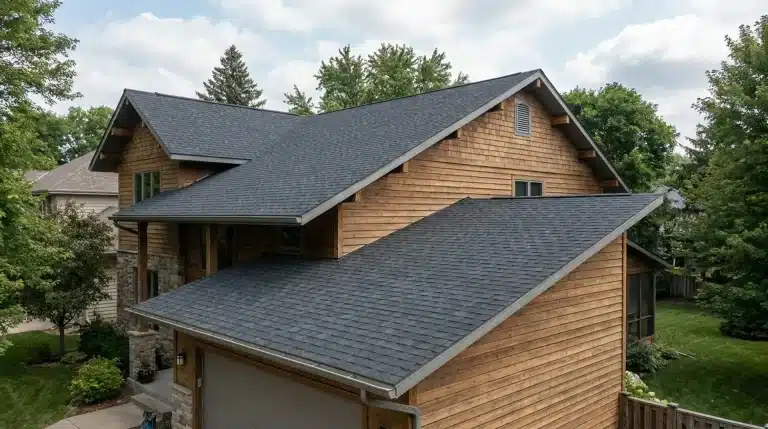
Roofing and Exterior Work: Protection That Holds Up
The outside of a home is its first line of defense. The roof, siding, and windows all have to work as a system to keep out water, wind, and harsh temperatures. When they’re installed the right way, they don’t just improve curb appeal: they protect what’s underneath and help the house stay comfortable year-round.
This is also where experience pays off in smaller details. A good contractor thinks ahead about airflow, drainage paths, and how the building will handle weather year after year. Whether it’s getting flashing right or handling a roof repair, careful work means the fix lasts, rather than turning into the same problem every season.
Interior Craftsmanship: Where Skill Meets Daily Life
Inside the home, craftsmanship becomes personal. Cabinetry that opens smoothly after years of use, trim that aligns perfectly at every corner, and floors that remain level and quiet all speak to the care taken during installation.
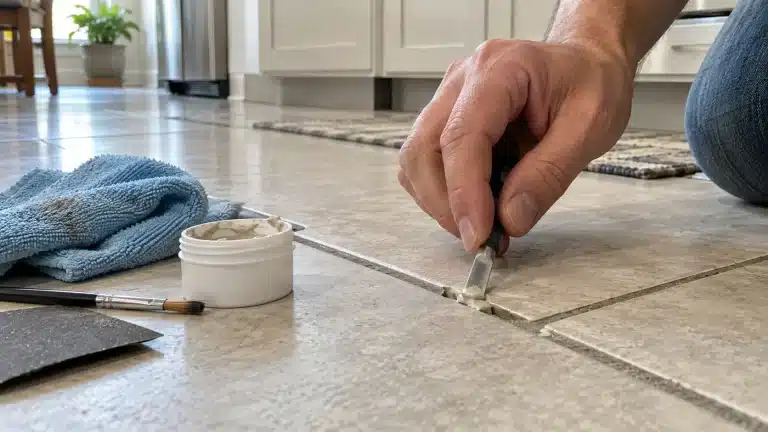
Skilled tradespeople understand how materials behave. They know how wood expands and contracts, how tile should be laid to prevent cracking, and how finishes should be applied for durability rather than speed. These details shape daily experience, often subconsciously, influencing how comfortable and functional a home feels.
Systems That Work, Until They Don’t
Plumbing, electrical, and HVAC rarely get noticed when they’re done right. They just run in the background, day after day. But when the work is sloppy, you feel it fast: leaks, flickering power, uneven temperatures, and service calls that never seem to end.
Experienced tradespeople don’t only aim to “pass inspection.” They lay out systems to be safe, efficient, and easy to service. They think about access panels, clean runs, and future upgrades so repairs don’t require tearing into walls later. The best work in these areas protects the house and the people living in it.
The Long-Term Value of Doing It Right
Starting with quality work can mean a higher price tag up front, but it often pays you back over time. Homes built with care tend to age better, keep their value, and avoid the kind of sudden repairs that turn into emergencies. You can’t always put a number on that peace of mind, but you notice it in the day-to-day.
That’s the approach behind The Guild Collective. They treat each project like something they’ll stand behind for years, not something to rush through. The goal is simple: build with respect for the homeowner, for the materials, and for how the space will live and wear over time.
A Home That Grows With You
A solid house should make change easier, not harder. Whether you’re remodeling a kitchen, reworking rooms for a new baby, or updating the space years down the line, the home shouldn’t fight you at every step. That usually comes back to what was decided from the beginning: smart layout, sound framing, and materials that can handle real life, so upgrades don’t turn into expensive surprises.
And good building isn’t about flawless finishes. It’s about care in the parts you don’t show off: straight lines, proper support, tight connections, and details that won’t fail when the seasons change. That’s the difference between a house that simply looks good and one that holds up.