Small Details That Make a House Feel Like Yours

There is a moment in every home when you stop seeing it as a collection of rooms and start feeling it as something that belongs to you. For me, that shift happened not when we bought furniture or painted walls but when I started adding the tiny, imperfect, deeply personal touches that no store could ever sell.
I have always believed that homes tell stories. The best ones tell yours. Not through expensive renovations or professionally designed spaces but through the small details you choose to include. The photographs were arranged just so. The handmade garlands strung across a doorway. The vintage bowl that holds your keys because it reminds you of your grandmother’s kitchen.
These details accumulate into something meaningful. They transform generic spaces into places where your life actually happens.
Starting With What You Love
Before diving into any project, I always ask myself one question. What do I actually want to see every day? Not what looks good on social media. Not what matches current trends. What genuinely makes me happy when I walk through a room.
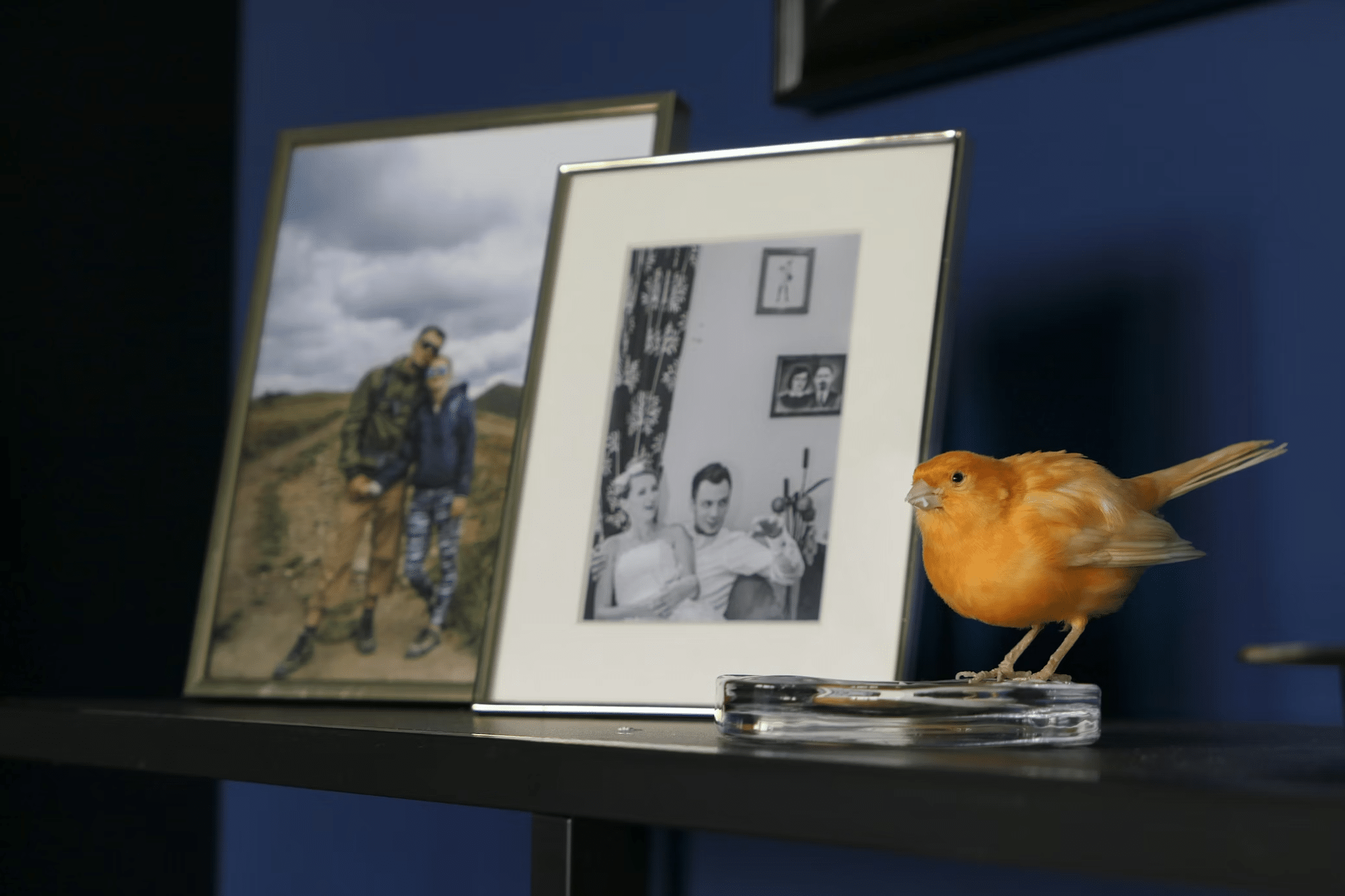
For me, the answer usually involves people I love. Photographs of my kids at various ages. Artwork they have made. Pictures from trips that remind me of specific moments. Mementos from family members who are no longer here.
The challenge is displaying these treasures in ways that feel intentional rather than cluttered. That balance took me years to figure out. I made plenty of mistakes along the way, cramming too many frames onto shelves and creating gallery walls that felt chaotic instead of charming.
What finally worked was giving myself permission to rotate rather than display everything at once. Some memories live in boxes until their season comes around again. Others earn permanent spots because looking at them never gets old.
Creative Ways to Display Your Memories
Traditional picture frames work beautifully, but they are not the only option. I have fallen in love with approaches that add flexibility and visual interest beyond the standard rectangular frame on a wall.
One of my favourite discoveries was using magnetic picture frames on our refrigerator and other metal surfaces around the house. They let me swap out photos constantly without putting holes in walls or committing to permanent arrangements. The kids’ artwork rotates through weekly. Holiday photos appear in December and quietly disappear by February. Snapshots from weekend adventures find temporary homes until the next adventure replaces them.
This flexibility changed how I think about display. Not everything needs to be permanent. Some memories deserve a spotlight for a season and then a rest. The rotation keeps our spaces feeling fresh without requiring complete overhauls.
Clipboards mounted on walls offer similar flexibility. String lights with tiny clips create whimsical displays that work especially well in kids’ rooms. Even simple twine stretched across a wall with wooden clothespins makes changing artwork easy and charming.
Projects That Take an Afternoon
Some of my most satisfying home projects happen in a single afternoon. Not elaborate renovations. Simple creative exercises that transform something ordinary into something personal.
Painted terracotta pots sit on my windowsill now, each one decorated during a lazy Sunday with my daughter. We used acrylic paints in colours that made us happy rather than colours that matched anything. The results are imperfect and wonderful. They make me smile every time I water the herbs growing inside them.
Fabric-wrapped storage boxes line our closet shelves. What started as plain cardboard containers now feature remnants from fabric I loved but never found another use for. The project cost almost nothing but added warmth to a space I see every morning.
Hand-lettered quotes hang in frames throughout our home. Not professional calligraphy. My own handwriting, wobbly and recognisable. The words matter to our family for specific reasons. Seeing them in my own handwriting makes them feel more true than any printed poster could.
These projects share something important. They reflect choices and effort and personality in ways that store-bought alternatives never could. Guests notice. They ask about the painted pots and the handwritten quotes. The imperfections become conversation starters rather than flaws.
Adding Meaning to Handmade Gifts
The same principles that make home projects special apply to gifts we make for others. Thoughtful details elevate simple presents into memorable ones.
I learned this lesson years ago when I started wrapping gifts more intentionally. Plain brown paper became a canvas. Stamps and markers added personality. Natural elements like twigs and dried flowers created texture. The wrapping became part of the gift rather than something to be torn away and forgotten.
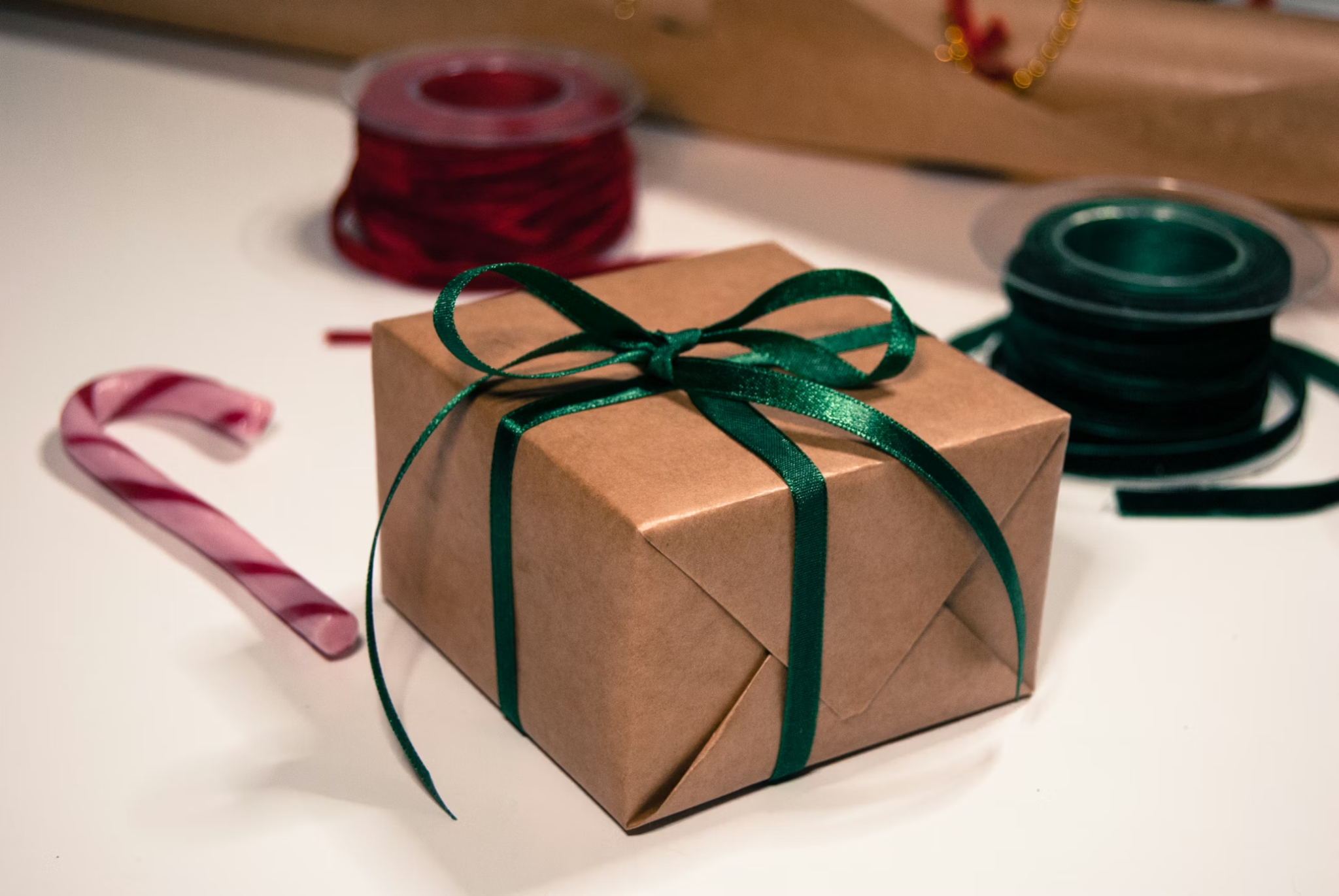
One detail I keep returning to is ribbon. Not the generic curling ribbon from big box stores but something chosen specifically for the recipient or occasion. When I discovered that I could order custom ribbon printed with names, dates or short messages, gift wrapping became even more personal. Birthday presents now arrive tied with a ribbon bearing the birthday person’s name. Wedding gifts feature the couple’s initials. Baby shower presents include the expected arrival date.
These small touches take minutes to plan but create moments of genuine surprise and delight. Recipients often keep the ribbon long after the gift itself has been used. The detail becomes its own keepsake.
Embracing Imperfection
Here is something I wish someone had told me earlier in my crafting journey. Imperfection is not failure. It is evidence that human hands made something.
The slightly crooked seam on a pillow I sewed. The paint dripped on my daughter’s pottery project. The handwriting that slopes downward on a birthday card. These flaws carry more meaning than machine-perfect alternatives ever could.
Our homes do not need to look like magazine spreads. They need to look like us. The scuff marks on the coffee table where the kids do homework. The mismatched throw pillows collected from different phases of life. The gallery wall where frames do not quite align because we hung them together as a family on a Saturday afternoon.
This imperfection creates an atmosphere that perfection never achieves. It signals that life actually happens in this space. That creativity matters more than precision. That the people who live here value personality over polish.
Building Traditions Around Making
Some of my favourite family memories involve making things together. Not because we produced masterpieces but because we spent time focused on creation rather than consumption.
We have an unofficial tradition now of making homemade birthday cards for each other. Store-bought cards sit untouched in the card aisle. Instead, we pull out paper and markers and glue and whatever else catches our attention. The results are chaotic and wonderful. We keep them all in a box that has become one of our most treasured possessions.
Holiday decorations follow similar patterns. Each year we add something new that we made together. Paper snowflakes cut during December movie nights. Painted ornaments from afternoons when nothing else was scheduled. Garlands assembled from scraps and fabric remnants and bits of ribbon saved from other projects.
These decorations will never win design awards. They carry stories instead. Every imperfect snowflake reminds us of the movie we watched while cutting it. Every lumpy ornament recalls the age the kids were when they made it.
Finding Your Own Details
The specific projects that make your home feel personal will differ from mine. Maybe you collect vintage books or arrange plants in unexpected containers. Maybe your thing is gallery walls or handmade pottery or refurbished furniture.
What matters is intentionality. Choosing details that mean something rather than filling space with whatever seems acceptable. Taking time to create rather than just consume. Accepting imperfection as evidence of effort rather than failure.
Start small if the whole endeavour feels overwhelming. One afternoon project. One display area. One gift wrapped with extra care. These small acts of creativity build confidence and momentum.
Over time, your home will accumulate the evidence of your choices. Not someone else’s vision of what looks good but your own understanding of what feels right. That accumulation is what transforms spaces into homes and houses into places where your story actually unfolds.
The details matter. Yours especially.