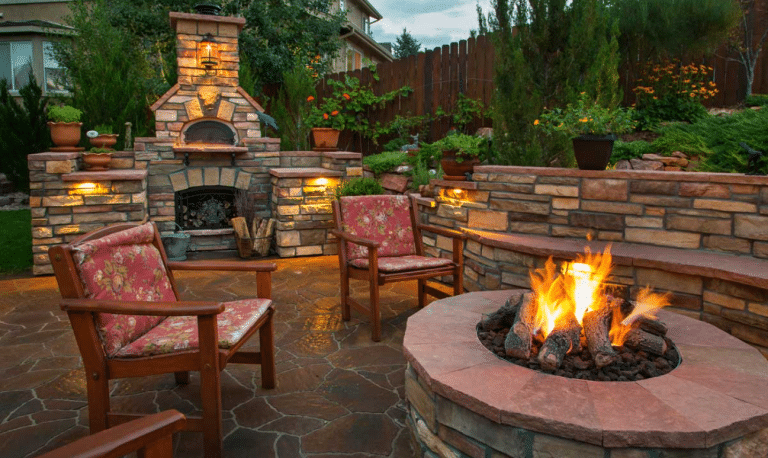
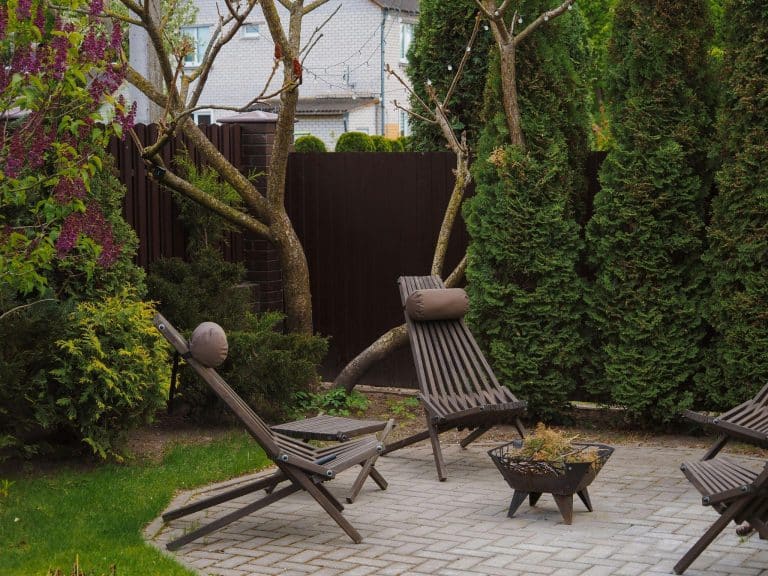
What I Learned After Transforming My Santa Fe Backyard

When I first moved to Santa Fe, I knew I needed help from a professional to turn my barren yard into something livable.
After researching Landscaping Santa Fe design services, I realized this wasn’t a DIY project — the high desert climate, native plant requirements, and water conservation needs were beyond my expertise. My outdoor space was something I passed through on the way to my car, not somewhere I actually wanted to spend time.
That changed last spring when I decided to work with a landscape designer who understood the unique challenges of creating outdoor spaces in New Mexico. After three months of consultations, design work, and watching my backyard slowly come to life, I learned more about outdoor spaces than I ever thought possible.
The Science Behind Why You Need This
I didn’t realize how much time I was spending indoors until I started tracking it, which revealed that Americans spend about 90% of their time inside buildings or vehicles. When you work eight hours, sleep eight more, and spend most of your free time on the couch, you’re barely touching fresh air, which makes having a functional outdoor space at home that much more valuable.
My friend Sarah finished her patio six months before I started mine, and noticed she was sleeping better within weeks of completion. She spent an hour outside each evening, and her stress levels dropped noticeably.
What Nobody Tells You About Desert Gardens
Santa Fe presents challenges you won’t find in other cities. The elevation sits at 7,000 feet, summer temperatures swing wildly between day and night, and water is precious here, not something you can waste on thirsty plants that belong in Portland.
I made mistakes early on by picking plants because they looked pretty in photos, not because they’d survive here. My first attempt at a garden included hydrangeas in New Mexico, which lasted three weeks before dying completely.
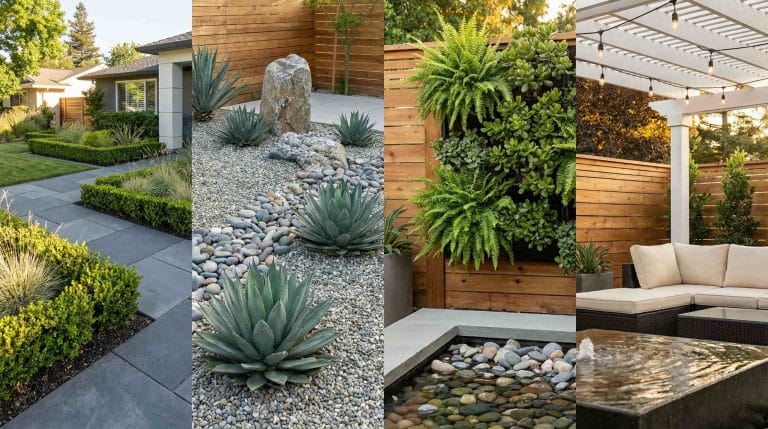
Working with someone who understands native plants saved me thousands in replacement costs. Xeriscaping isn’t just about throwing gravel everywhere but rather selecting species that naturally belong in this climate. Russian sage, Apache plume, and desert marigold became my go-to choices because they thrive in our soil, survive our winters, and look stunning year-round.
The water savings alone made the investment worthwhile. My neighbor with his traditional lawn pays triple what I do in summer water bills, whereas my drought-tolerant garden needs a fraction of the irrigation.
The Lighting Changed Everything
I didn’t think much about outdoor lighting at first because it seemed like an extra expense I could skip. Then I visited a friend’s house after dark and saw what proper lighting does to a space.
Good lighting turns a courtyard into something magical. Uplighting on adobe walls creates shadows and depth, path lights make evening walks through your garden possible, and a few well-placed fixtures can make your space usable long after the sun goes down.
My installer recommended low-voltage LED fixtures that use almost no energy. They were more expensive upfront, but they’ll last 15 years without replacement.
The Real Cost And What’s Worth It
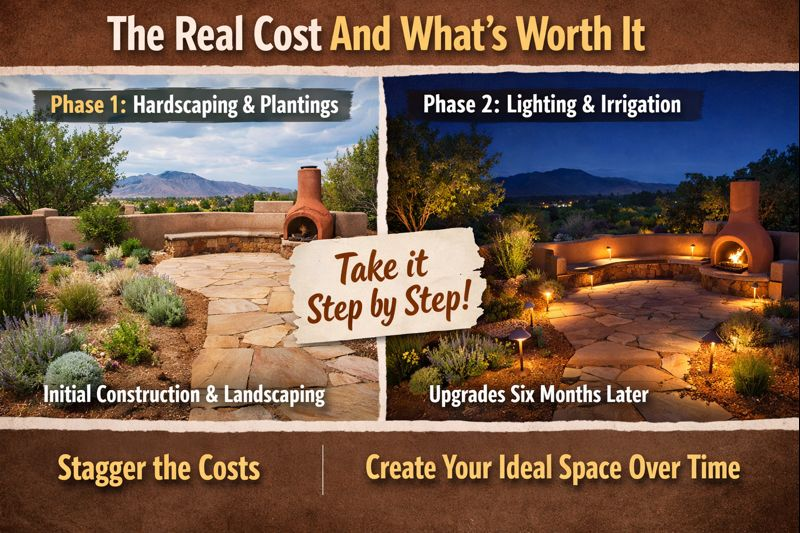
Quality outdoor projects in Santa Fe start around $20,000 for basic improvements. Professional design work runs $3,000 to $18,000, depending on complexity, and installation, materials, and specialized features add up quickly.
What nobody mentions is that you don’t have to do everything at once. My project happened in two phases over nine months. First came the hardscaping and basic plantings, then six months later, I added the lighting and irrigation upgrades. Phasing the work made the financial hit manageable and let me live with the space to figure out what I actually needed versus what looked good on paper.
What Actually Matters
After going through this process, I’d focus on three things if I had to do it again.
First, get the bones right because your hardscaping, walls, and pathways are permanent. Cheap materials here will haunt you for years. Natural stone costs more than concrete pavers but it weathers beautifully and never looks dated.
Second, plan for maintenance you’ll actually do. I wanted a vegetable garden until I realized I’d be traveling for work half the summer, so now I have perennials that don’t care if I’m gone for two weeks.
Third, think about how you’ll actually use the space. I originally wanted a huge dining area for entertaining, but then realized I eat outside alone most nights and host big parties twice a year. I redesigned around daily use instead of occasional events.
The Unexpected Benefits
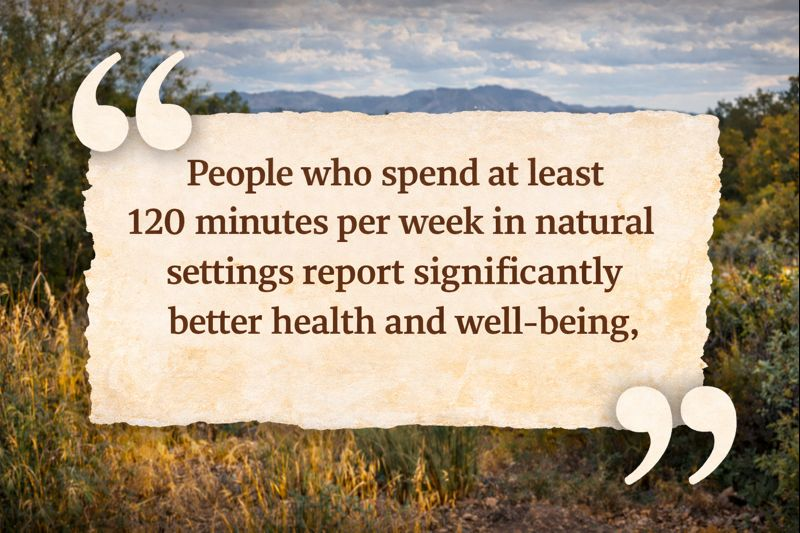
People who spend at least 120 minutes per week in natural settings report significantly better health and well-being, which matches my experience perfectly. I sleep better now that I spend an hour outside each evening, my stress levels dropped three weeks after completion, I read more books, and I actually know my neighbors because we chat when I’m watering plants.
Last month, my sister visited from Seattle and spent the entire weekend in my courtyard, working on her laptop in the morning and reading in the afternoon. She kept saying this was exactly what she imagined Santa Fe would be.
She’s not wrong, but more than that, I’m living in a space that makes me want to be home. In a world where everything pulls us in different directions, that’s worth every penny I spent.