
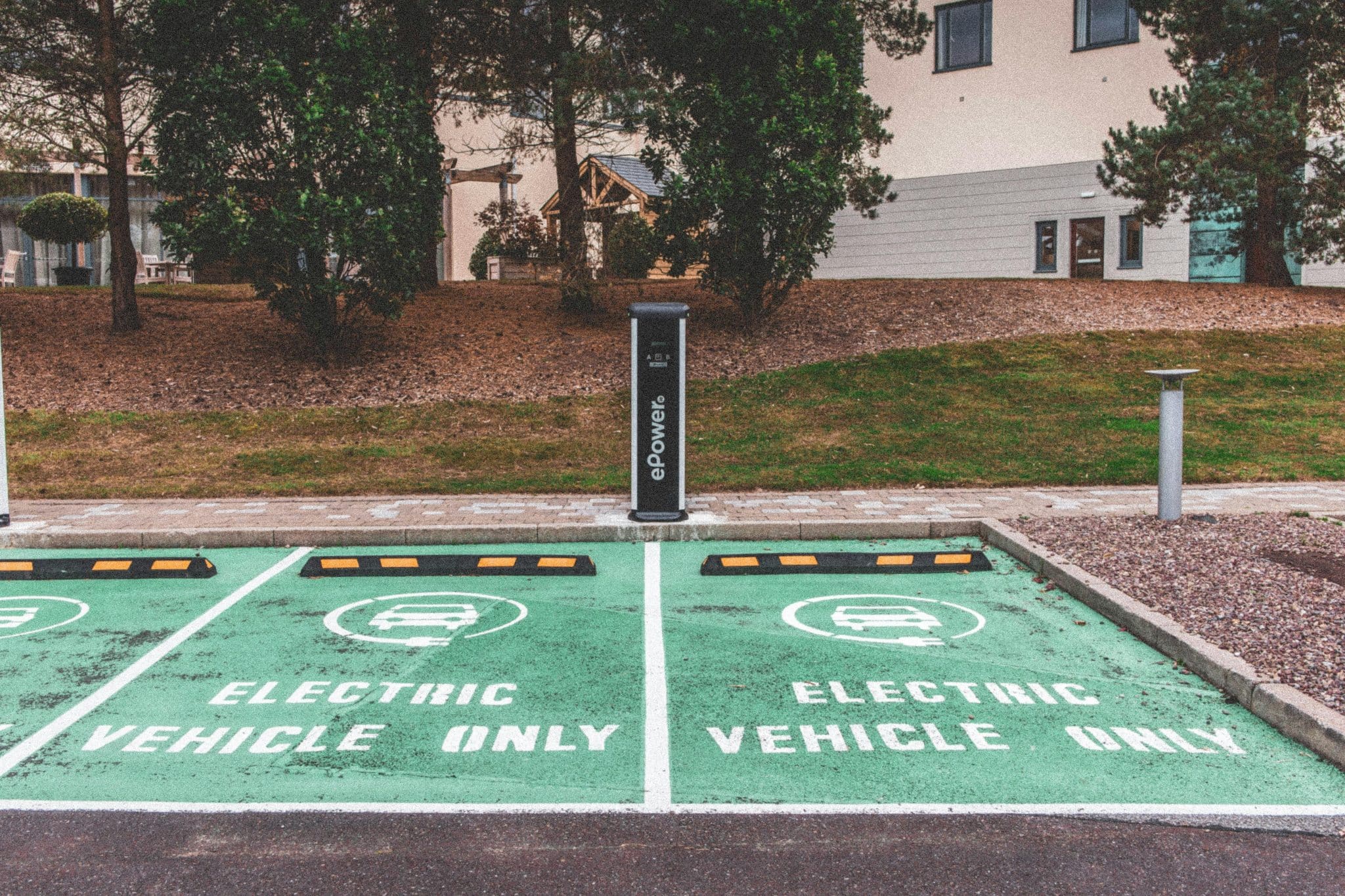
5 Common Challenges of Installing EV Charging Stations in Apartments

The popularity of electric vehicles (EVs) has driven the demand for more charging stations. Installing EV charging stations in apartment buildings presents challenges that property owners and residents need to address. These issues require careful planning and understanding to ensure successful installation.
EV charging stations for apartments present several specific hurdles, including space limitations, electrical capacity, and legal requirements. Property managers and residents must navigate these obstacles to create efficient solutions. This article will explore the five most common challenges when installing EV charging stations in apartments.
1. Space Constraints in Apartment Parking Areas
Apartment parking areas often lack the necessary space for installing EV charging stations. Many buildings were not originally designed with this infrastructure in mind, leaving limited room for installation. The available parking spaces may need to be rearranged or expanded, requiring significant investments in construction. Urban areas, where parking is already scarce, make this issue even more challenging. Property managers must find ways to make the best use of available space to accommodate these chargers.
2. Electrical Capacity and Infrastructure Limitations
Each EV charging station requires sufficient electrical capacity to operate safely. Older buildings typically have outdated electrical systems that struggle to support the additional demand. Upgrading the infrastructure to handle EV charging stations can involve costly rewiring, panel upgrades, and sometimes even a complete overhaul of the building’s electrical supply. Without these upgrades, installation may not be feasible. Ensuring the electrical system meets the required standards is an essential first step.
3. Coordination with Property Management
Collaboration with property management is a critical component of the installation process. Many apartment buildings have rules governing modifications to shared spaces, and approval is usually needed before moving forward. This approval process can take time as property managers may need to consult with various experts. Delays in communication can hinder progress, leaving residents without accessible charging options. Clear, consistent communication is necessary to navigate property management approval smoothly.
4. Cost Implications and Financial Barriers
The cost of installing EV charging stations can be a significant barrier in apartment settings. Expenses include the cost of the charging equipment, installation labor, and any necessary upgrades to the building’s infrastructure. In some cases, residents may be responsible for covering these costs, which can lead to disagreements over financial contributions. Exploring government incentives or funding programs can help reduce the financial burden. However, securing these resources or convincing landlords to share costs may still present challenges.
5. Regulatory and Legal Obstacles
Regulatory requirements can complicate the installation process in apartment buildings. Local regulations and zoning laws usually dictate where and how EV charging stations can be installed. In some areas, additional permits or environmental reviews may be necessary before installation can begin. Property managers and residents must ensure that all local regulations are followed to avoid legal issues or delays. Navigating these legal requirements is essential for a successful installation.
The process of installing EV charging stations for apartments is demanding, yet it offers substantial benefits. Overcoming obstacles such as space limitations, electrical upgrades, and legal regulations is essential for successful installation. Understanding these challenges can help property managers and residents plan effectively. For those interested in transitioning to electric vehicles, the first step is to consult with property managers to discuss available options for EV charging stations in apartments.