Why Urban Density Makes Professional Moving Services Essential in Boston

Boston is a city that feels alive in every direction. The sidewalks are busy, the streets are tight, and buildings sit shoulder-to-shoulder like they were designed to share the same inch of space. That closeness is part of the appeal, but it also changes what a move looks like in real life. In a dense city, you are not just shifting belongings from one address to another. You are navigating traffic patterns, curb rules, building policies, shared hallways, and stair-heavy layouts, all while trying to stay on schedule.
In a less crowded area, you can usually “figure it out” as you go. In Boston, density removes that flexibility. You are working inside a city schedule, not your own, and that can be frustrating if you are used to wide driveways and flexible parking. The more you understand that upfront, the easier it is to set realistic expectations for timing and effort. If the truck cannot park, the carry gets longer. If the elevator is booked, the timeline tightens. If a hallway gets blocked, everything slows down. That is exactly why movers help matters more here than most people expect. The value is not only in lifting, but in knowing how to keep the entire day moving inside a city that does not leave much room for mistakes.
Density Turns a Simple Move into a Logistics Problem
Boston’s density is not only about population. It is physical density: narrow streets, short blocks, tight intersections, and buildings built close to the curb. That design creates constraints that show up immediately on moving day. Even when the distance between homes is small, the actual path from truck to door can be complicated, and the “easy” choices often are not available. Think about tight sidewalks, curb cuts, short entry paths, and front doors that open right onto busy foot traffic. In many areas, you have to keep a clear path for pedestrians while still move large pieces out safely.
Experienced moving crews are essential because they approach the move like logistics instead of guesswork. They plan staging, control the flow of items, and adjust quickly when street conditions change. In a dense environment, planning is not a nice extra. It is the foundation that keeps the day from turning into constant backtracking, repeated trips, and unnecessary stress. When every minute counts, having a clear process protects both time and energy.
Limited Truck Access is a Direct Result of Urban Density
Many Boston streets were not designed for modern trucks, especially in older and denser neighborhoods. Between one-way roads, tight turns, double-parked cars, and narrow lanes, access can become the biggest challenge before a single box is carried. Sometimes the truck can enter the street, but cannot safely stop. That can happen when there is constant traffic flow, when cars are parked tightly on both sides, or when there is no loading zone that allows a brief stop without blocking a bus or bike lane. Other times, it cannot enter at all without blocking traffic.
Seasoned teams solve this with experience-based routing and staging decisions. They do not rely on a “hope it works” approach. They look at access constraints, choose the safest loading position, and keep the truck time efficient so the curb is used wisely. In dense Boston blocks, that planning often prevents the most common disaster: a stalled move caused by poor access.
Parking Scarcity in Dense Areas Creates Long Carries and Longer Days
In many Boston neighborhoods, there is no such thing as “plenty of parking.” Even if you find a spot, it may not be legal for a truck, or it may be timed in a way that cuts your window short. When parking is far, every trip becomes a long carry, and long carries add time fast, especially with stairs involved. The longer the carry, the more important it becomes to keep box weights consistent and to avoid awkward shapes that force you to walk slowly or stop mid-route.
Strong crews of movers reduce this problem through workflow design, not just effort. They stage items in a way that keeps movement steady, they avoid repeated trips with poor loads, and they coordinate so nobody is waiting for the path to clear. This is where movers in Boston residents hire stand out, because the value is often measured in saved steps, saved minutes, and fewer moments where the move slows down for avoidable reasons.
Dense Neighborhoods Mean More Walk-Ups and Stair-Heavy Buildings
Boston has a high concentration of walk-ups, multi-level entries, and older buildings with staircases that feel steep and narrow. In dense areas, that is normal, not rare. Stairs increase physical effort, but more importantly, they increase risk. A tight stairwell makes furniture harder to control, and one wrong angle can damage walls, banisters, or the item itself. Older staircases also vary from floor to floor, so the “hard part” might show up on the last landing when everyone is already tired.
Skilled crews are essential because stairs require technique and coordination, not just strength. An experienced team knows how to control weight through turns, how to communicate during landings, and when disassembly is safer than forcing a tight fit. In a dense city where stairs show up constantly, practiced handling protects people, property, and the timeline.
Elevators in Dense Buildings Create Time Windows and Bottlenecks
In multi-unit Boston buildings, elevators can be small, slow, shared, and restricted. Some properties require reservations, while others limit move times to protect neighbors. Even when an elevator is available, it can become a bottleneck if the loading order is not planned well, since one misplaced bulky piece can slow the entire system. Small elevators also limit how many people can ride with items, so the team has to coordinate handoffs in the hallway without blocking other residents.
Experienced crews solve this by building an elevator-friendly sequence. They stage items so the elevator stays active, they load by size and priority, and they prevent hallway pileups that block other residents. In dense buildings, shared-space awareness is a real skill, and moving teams are better positioned to keep things efficient without creating conflict or disruption.
Shared Hallways and Close Neighbors Raise the Standard for Care
Urban density means more people live close together, often in shared buildings with finished common areas. That creates two pressures at the same time: less room to maneuver and higher consequences for damage. A scratched wall in a private house is one thing. A scratched wall in a condo lobby can lead to building complaints, repair costs, and friction with management. That is why protecting the building is as important as protecting your furniture.
Moving teams reduces that risk through protection and discipline. They use floor runners, padding, and controlled staging so common areas stay clear and safe. They also keep the move quieter and more orderly, which matters when neighbors are close enough to hear everything, and building staff can stop the process if rules are not followed.
City Rules, Loading Zones, and Enforcement Are Stronger in Dense Areas
Boston’s dense streets come with real enforcement: bus lanes, bike lanes, hydrant zones, resident-only rules, and time-based restrictions that change throughout the day. On moving day, parking “just for a few minutes” can still result in a ticket or a forced relocation, which is one of the quickest ways to break momentum. If you are unloading heavy items, being forced to relocate mid-stream can be dangerous, because people may rush or carry too much at once to “beat” enforcement.
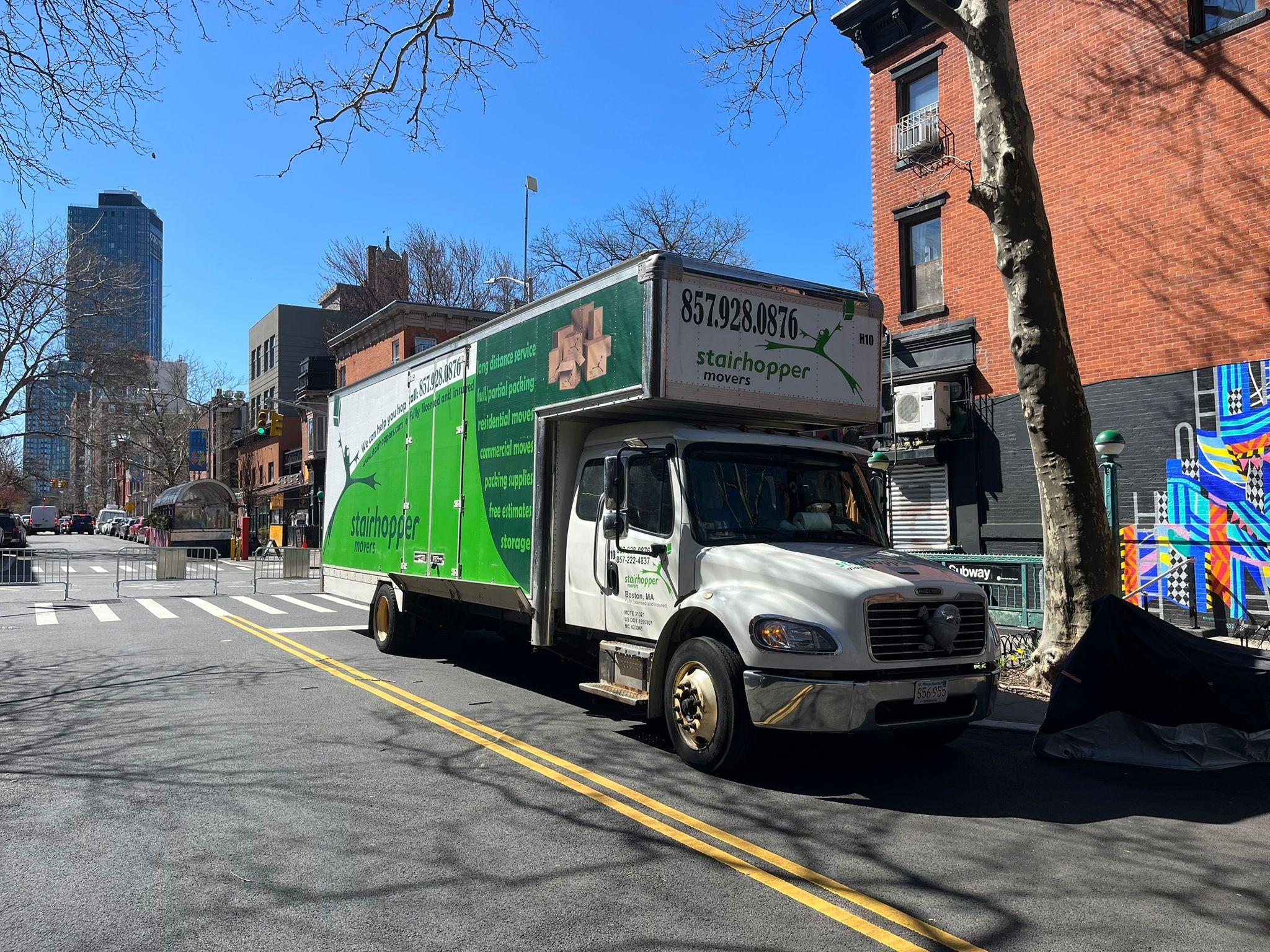
Moving crews plan around legality, not convenience. They select workable staging options and keep loading organized so the truck is not sitting idle longer than necessary. In dense urban areas, a legally smart plan often saves more time than any attempt to rush through an illegal stop. It also keeps the move calmer, because you are not constantly watching the street for enforcement while trying to coordinate heavy items.
Traffic in a Dense City Can Break a Schedule If Timing is off
In Boston, traffic is not limited to rush hour. Events, construction, school traffic, and neighborhood congestion can appear unexpectedly. Even a short move can become delayed if the route hits an active choke point at the wrong time, and that delay can cause bigger problems if you have elevator reservations or building windows. A ten-minute delay can turn into a missed slot, which then becomes a longer delay while you wait for the next available time.
Moving teams helps because they schedule with local patterns in mind and adjust when conditions change. They understand that timing is part of the service, not an afterthought. In a dense city, good timing protects the move from cascading issues like missed reservations, lost parking, and frustrated neighbors.
Density Makes Weather a Bigger Safety Issue than People Expect
Boston weather can flip quickly, and in dense neighborhoods, you often have less space to stage items under cover. Rain means slick stairs, wet sidewalks, and moisture carried into shared hallways. Snow and ice can make exterior steps hazardous, especially in older buildings with uneven stone or narrow entries. In winter, it also helps to keep towels, salt, and extra floor protection ready, because you may be moving through slush without realizing how much gets tracked inside.
Crews manage this with the right gear and smarter pacing. They protect floors, wrap items to reduce moisture exposure, and keep the path as dry as possible. They also prioritize safety over speed when surfaces get risky, which matters because in tight spaces, a single slip can block the hallway, damage the building, and stop the move entirely.
Density Brings More “One-Off” Building Layouts and Less Room to Improvise
Boston’s dense housing mix means you can go from a basement unit to a third-floor walk-up to a condo with strict loading rules, sometimes all on the same street. Layout differences are common: narrow turns, awkward landings, low ceilings, and doorways that do not match modern furniture proportions. Two apartments in the same building can feel different depending on the unit location, stair direction, and where the entry door sits on the floor plan. In a dense city, there is less space to pause and “figure it out,” because hallways and entryways must stay passable.
Moving crews handle this better because they anticipate layout challenges and adapt without chaos. They measure, adjust angles, disassemble when needed, and protect the surrounding space as they work. That ability to problem-solve calmly is one of the main reasons help becomes essential under dense conditions.
Space Limits Change Packing, Staging, and Unloading Priorities
In many Boston moves, you do not have a driveway, garage, or wide hallway to use as a staging zone. Dense buildings often have narrow entry paths, small landings, and shared hallways that cannot be used as storage areas. If boxes pile up in the wrong place, the move slows down, and the building becomes less safe for everyone.
This is why the difference between random packing and structured packing becomes obvious fast. Crews that work in dense areas tend to stage items in waves, keep traffic lanes clear, and unload in a sequence that prevents re-carrying. Many people compare Boston local moving companies before booking, because local teams tend to understand how staging works in real Boston interiors, not idealized spaces. A smooth unload is often less about speed and more about placing the right items in the right locations the first time.
In Dense Cities, Mistakes Cost More and Recovering is Harder
Urban density increases the cost of errors. A wrong parking choice can lead to tickets or towing. A damaged lobby wall can turn into a repair bill. A strained back on a staircase can stop the move. And once the schedule slips, rescheduling an elevator window or loading zone is not always possible the same day.
Moving teams reduces these risks through planning, protective materials, and experienced handling. They also help by keeping communication clear, so everyone knows what is being moved next and where it should land, which reduces re-carrying and confusion. It is not only about convenience. It is about preventing expensive chain reactions that start with one avoidable mistake. That is why many residents search for the best moving companies in Boston for tight-access apartment moves when they know the move involves tight access, strict building rules, stairs, or valuable belongings.
Quality Packing Matters More When Everything is Tight
Packing quality has a bigger impact in dense Boston moves because there is less space to correct mistakes. Over packed boxes become unsafe on stairs. Weak boxes collapse in hallways. Poor labeling forces re-carrying through tight corridors. Clear labels and a simple room map can save a surprising amount of time in multi-unit buildings, especially when units have similar doors and long hallways. When space is limited, packing problems create bottlenecks quickly and drain energy fast.
Packing support adds value through structured packing and stable loading. Teams use appropriate materials, protect fragile items properly, and keep the truck organized so unloading does not become a scavenger hunt. That organization matters more in a dense city because unloading is rarely a straight line from truck to room.
Crews Keep the Process Efficient Without Making It Feel Rushed
A good Boston move should feel steady, not frantic. The crew should know what comes next, where items go, and how to keep the path clear. DIY moves often lose time in small ways, like hunting for tools, rearranging piles, or re-carrying boxes that landed in the wrong unit. The day can start to feel like one long attempt to catch up.
Teams keep momentum with sequence and communication. They protect pathways early, move large pieces first when it makes sense, and load with unloading in mind. Many teams also do a quick walk-through at the start to confirm the best route, identify tight turns, and decide where to place protection so the rest of the day is smoother. That rhythm reduces stress because the day feels controlled, even when the neighborhood outside is busy and the building layout is tight.
Conclusion
Urban density is the reason relocation in Boston feels different from changes of address almost anywhere else. Tight streets, scarce parking, stair-heavy buildings, shared hallways, strict rules, and unpredictable traffic turn the day into a logistics challenge. Relocation services become essential because they bring planning, protection, and experienced handling that fit the reality of dense neighborhoods, helping the process stay organized instead of turning into a series of rushed decisions.
For people preparing for a Boston move and wanting a team that understands how density changes everything, Stairhopper Movers can be a strong option to explore. Their team is equipped for stair-heavy buildings, tight access points, and complex scheduling needs, and they can help clients move through Boston’s density with a smoother plan, calmer execution, and fewer avoidable setbacks.
Frequently Asked Questions
Question: Why does urban density make moving in Boston more difficult?
Answer: Density reduces space for parking, staging, and maneuvering. Narrow streets can limit truck access, and multi-unit buildings often add rules and shared-space constraints. These factors increase carry distances and create bottlenecks. Planning becomes more important because there is less room to improvise once the move starts.
Question: Is parking really one of the biggest moving-day issues in Boston?
Answer: Yes, especially in dense neighborhoods. Limited curb space can force long carries, which adds time and fatigue. Parking rules also vary street to street, and enforcement can be strict. Securing a workable loading plan often prevents delays that can push the entire move behind schedule.
Question: How do stairs affect moving in Boston?
Answer: Stairs increase labor and risk. Many Boston buildings are walk-ups with narrow turns, steep steps, and small landings. Heavy items may require disassembly and careful handling. Safe technique matters because stairs raise the chance of injury and property damage if items shift or slip.
Question: Why do building rules matter more in dense areas?
Answer: Dense buildings have more residents sharing hallways, elevators, and entryways, so policies tend to be stricter. Move windows, elevator reservations, insurance requirements, and protection rules are common. Missing them can cause delays or interruptions, especially when building staff actively enforces procedures.
Question: Can traffic impact a move if the distance is short?
Answer: Absolutely. Boston traffic can be unpredictable due to construction, events, and congestion patterns. Even a few miles can take longer than expected, and delays can affect parking windows or elevator bookings. Scheduling around traffic realities helps keep the move from cascading into bigger timing issues.
Question: What is the biggest risk of trying to move without professional help in Boston?
Answer: The main risk is how expensive mistakes become. A ticket, tow, damaged common area, or injury can cost far more than expected. Dense conditions also make it harder to recover once something goes wrong, since access and timing options are limited.
Question: How do professional movers reduce damage in tight hallways?
Answer: They protect pathways first, and then control staging so hallways stays passable. Wrapping furniture and using padding on corners reduces scuffs and impacts. Clear communication during turns also prevents sudden shifts. In dense buildings, protection and flow management work together to prevent damage.
Question: Why does packing quality matter more in a dense city move?
Answer: Because space is limited, weak packing creates bottlenecks quickly. Over packed boxes are unsafe on stairs, and poor labels lead to re-carrying through narrow corridors. Good packing keeps loads stable, reduces trip counts, and makes unloading faster when shared spaces must stay clear.
Question: How does the weather make dense Boston moves riskier?
Answer: Rain and snow increase slip hazards on stairs and sidewalks, and moisture can damage floors or certain items. Dense buildings often offer less covered space for staging, so exposure risks rise. Teams typically bring coverings, traction tools, and adjust pacing to keep the path safer.
Question: What should I do before move day to make the Boston move smoother?
Answer: Confirm building policies, measure large items, and plan curb access early. Label boxes clearly by room, keep essentials separate and clear pathways in advance. If stairs are involved, pack manageable box weights. Preparation reduces bottlenecks and helps the day stay controlled in dense conditions.