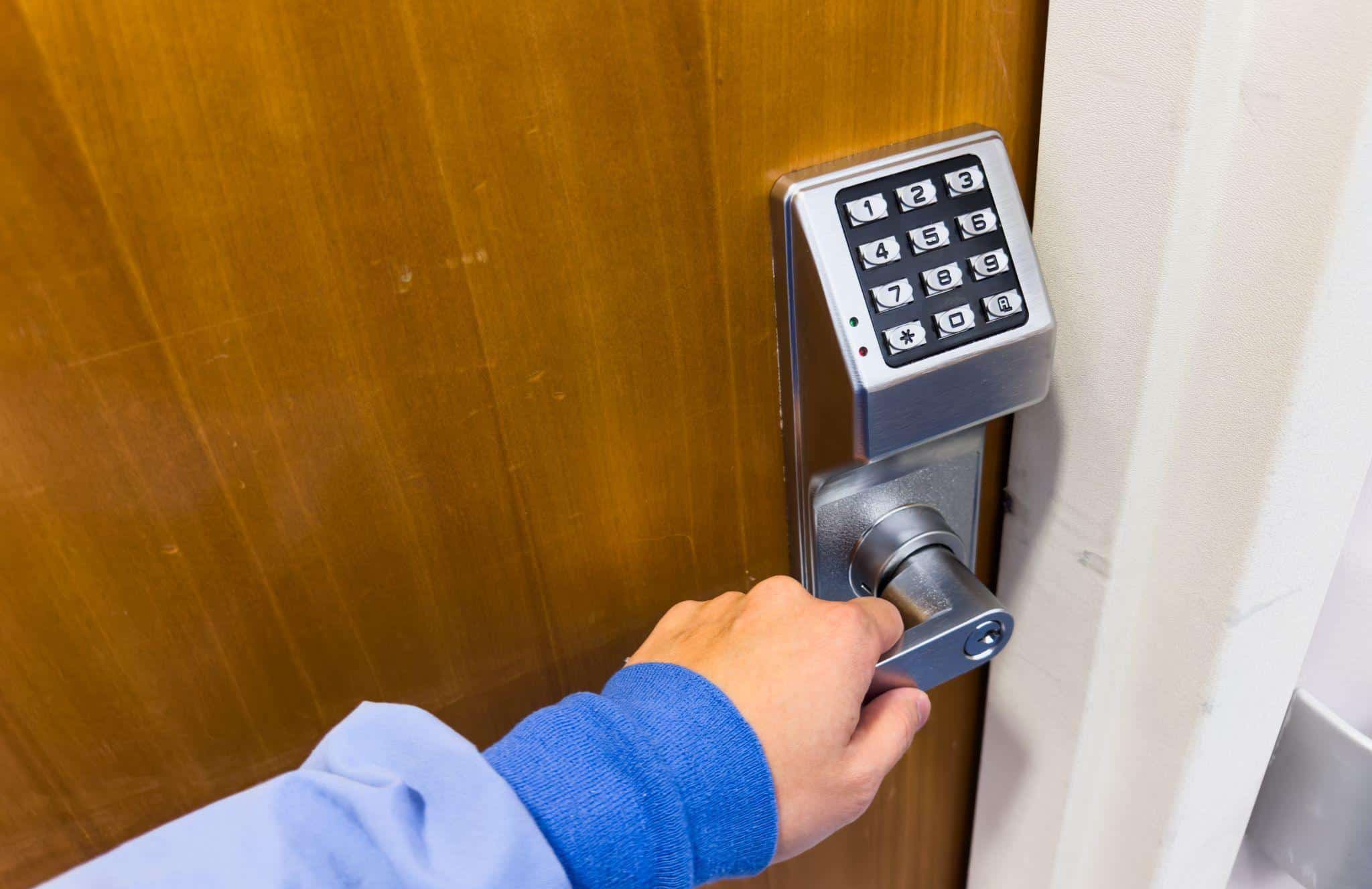
Why an Electronic Keypad Lock is the Smart Choice for Modern Homes

The days of standing on your porch and digging through a bag for a key are largely over. For many US homeowners, the front door, as an entry point, should be as smooth as their daily routine.
An electronic keypad lock offers a level of control that mechanical hardware cannot match. For your busy household or a short-term rental, switching to digital entry changes how you interact with your home.
And there are a bunch of reasons why an electronic keypad door lock becomes a pretty smart choice. Let’s explore why you should consider one for your modern home.
Practical Security
The most immediate advantage of an electronic keypad door lock is the elimination of the ‘hidden key’ risk.
Most people have, at some point, tucked a spare key under a potted plant, a fake rock, or a doormat. The reality is that burglars know these spots.
Thankfully, that physical vulnerability disappears with an electronic keypad lock.
Electronic Keypad Lock Benefits
- Pick-and-Bump Resistance: Traditional cylinders are susceptible to lock bumping. Many electronic locks use motorized bolts or specialized cylinders like Kwikset’s SmartKey technology. These are specifically designed to thwart common break-in methods.
- Automatic Locking: Most keypad models can be programmed to lock automatically after 30 seconds or a minute. This ensures the house is never left open by accident.
- Tamper Alerts: High-quality units often include an audible alarm that triggers after multiple incorrect code attempts. This acts as a deterrent before an intruder even gets inside.
Convenience for the Modern Household
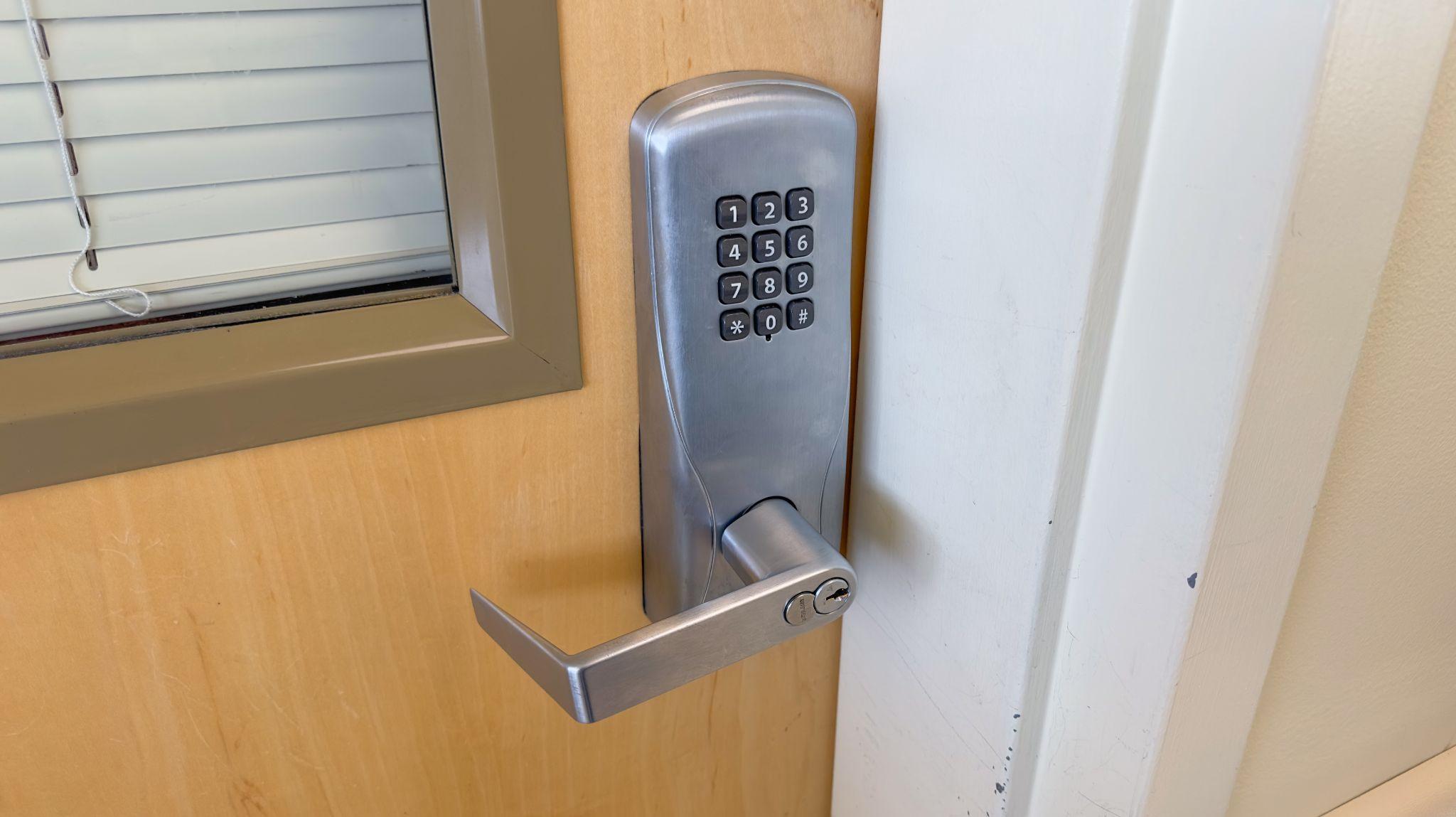
Think about how many people need access to your home in a given week. Between kids coming home from school, dog walkers, and contractors, handing out physical keys is a logistical headache.
With an electronic keypad lock, you can assign unique codes to different individuals. This allows you to see exactly who entered and when. For example, the Schlage FE595 is a popular choice among homeowners as it can store up to 19 unique user codes for your family and friends.
If someone no longer needs access, you simply delete their code instead of changing the entire lock. It enables easy code sharing without the risk of losing a key or making an unauthorized copy at a hardware store.
Weather Resistance and Durability
A common concern for homeowners is how an electronic keypad door lock handles extreme weather.
Modern manufacturers build these units to meet specific ANSI/BHMA grading standards. The exterior components are typically sealed to prevent moisture from reaching the internal circuitry.
High-quality finishes are also applied to the buttons or touchscreens to prevent fading from UV exposure. This ensures that the numbers remain legible and the buttons remain responsive even after years of exposure to direct sunlight, snow, or rain.
Choosing the Right Model for Your Door
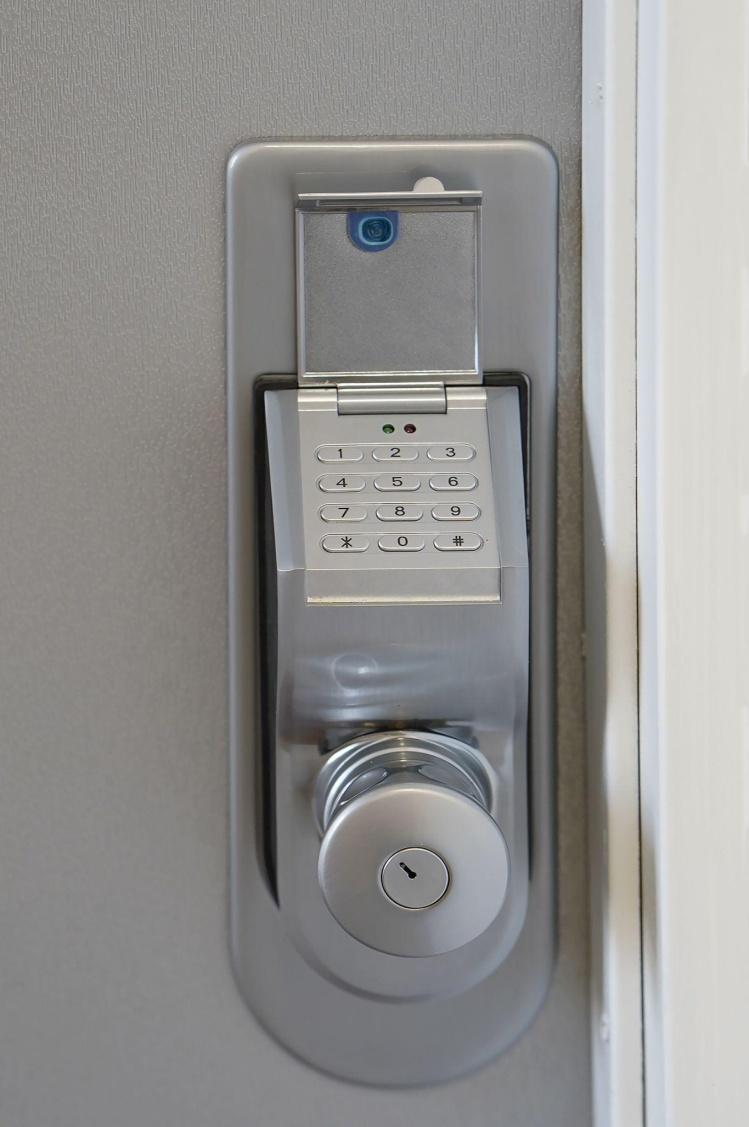
Electronic keypad lock setups come in a few common formats. For most standard residential doors, the two you’ll see most often are keypad deadbolts and keypad levers.
But there are also keypad knobs, handlesets, and mortise-style locks. The right choice mainly depends on your door prep (the holes/cutouts already in the door) and how you use that entrance.
- Keypad Deadbolts: A keypad deadbolt is a popular upgrade for exterior doors because it provides a strong, straightforward locking mechanism. These typically install in (or replace) the separate deadbolt hole above your handle or knob.
If your door already has a dedicated deadbolt cutout, a keypad deadbolt is usually the cleanest swap while keeping your existing handle set.
- Keypad Levers: A keypad lever replaces the latch-style handle, making it a great fit for doors you use frequently, such as interior garage doors, utility rooms, storage areas, or home offices.
The Schlage FE695 is a keypad lever that uses a touchscreen (no raised buttons) for a modern look and helps prevent the ‘worn button’ issue you can sometimes see with physical keypads over time.
Another robust electronic keypad door lock option is the Kwikset 917 that delivers the same keyless convenience in a lever format. Plus, lever handles are often easier to operate when your hands are full of groceries or gear.
Installation and Upkeep
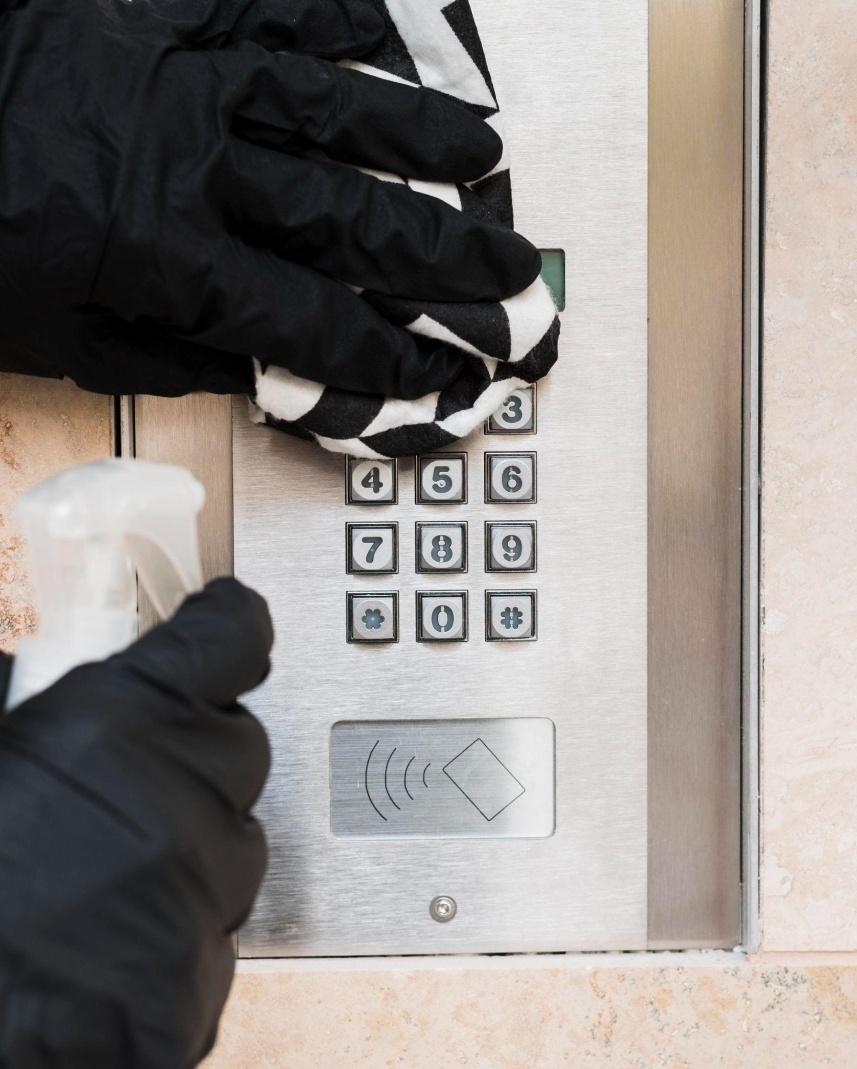
A common misconception is that an electronic keypad lock requires complicated wiring or a professional locksmith. In reality, most residential models are battery-powered (usually AA batteries, and sometimes a 9V backup).
Many electronic keypad door lock models are designed for DIY installation and can typically be set up with a screwdriver in 30–60 minutes.
They are designed to fit standard bore holes in US doors, so drilling is not required in most cases. While the batteries usually last a year or more, most locks provide a low-battery indicator weeks in advance. If the battery dies completely, many models feature a physical key backup.
Aesthetics and Home Value
Upgrading to an electronic keypad lock gives the home a tech-forward appearance. Since these locks come in finishes such as satin nickel, aged bronze, and matte black, they are easy to match with your existing porch lights or house numbers.
Final Words
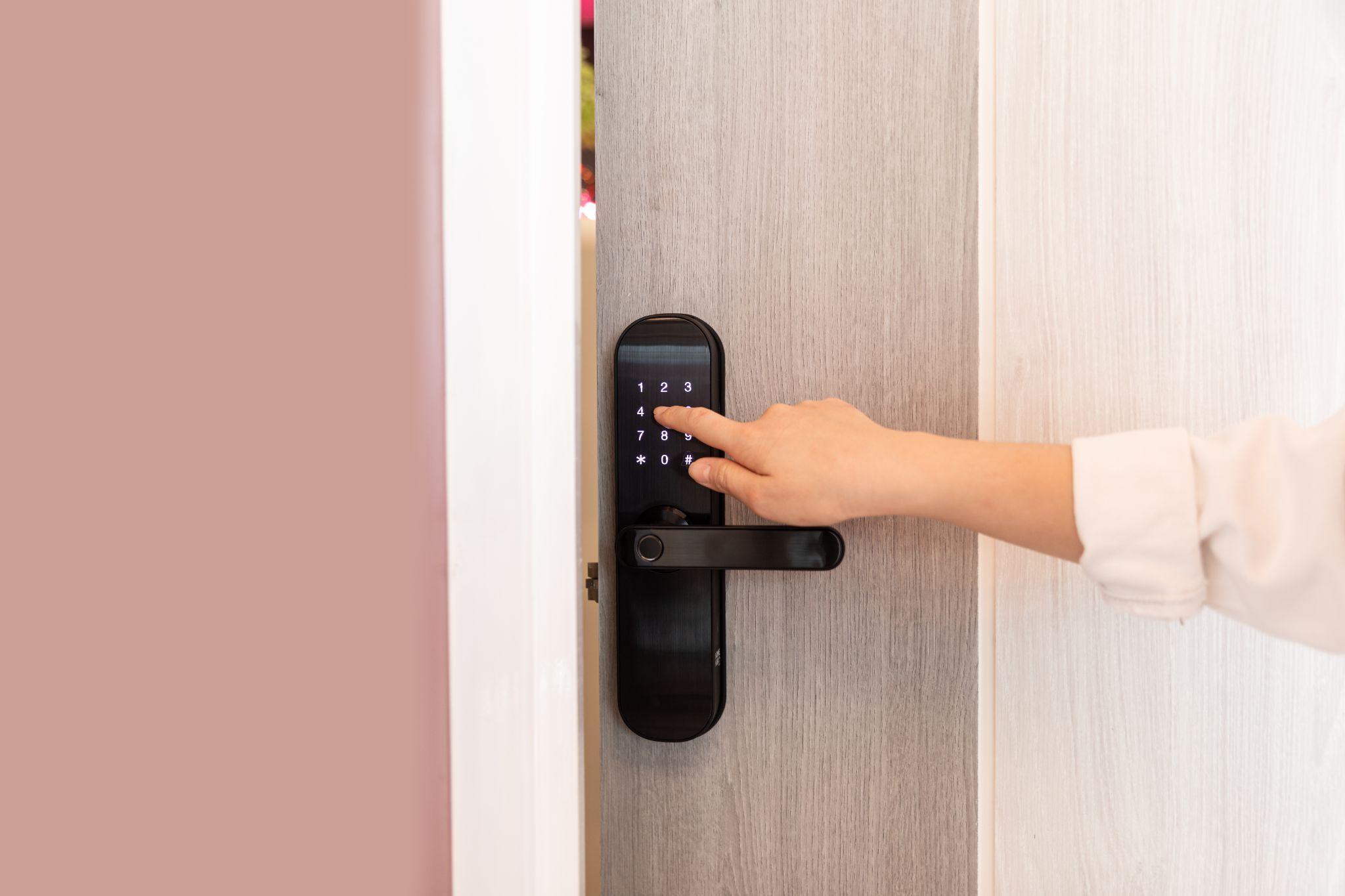
Upgrading your entry hardware is a simple way to modernize your home without a full renovation. It solves the age-old problem of locked-out family members and the security anxiety of lost keys.
Always choose a reputable electronic keypad lock brand and the right handle style for your specific door.
Switching to an electronic keypad door lock makes a home feel more secure and much more convenient for everyone who lives there.