What’s the Setup Process Like for Large Advertising Inflatables?
Setting up large advertising inflatables is usually more straightforward than people expect. The process begins by selecting a flat, open area where the structure can fully expand without obstruction. Once the space is ready, the inflatable is unrolled and positioned so it can be safely secured before inflation.
After laying it out, ropes, stakes, or weighted bases are attached to hold the structure steady. From there, the blower is connected and powered on, allowing the inflatable to rise and take shape within minutes. This simple sequence works for most styles, from oversized arches to tall character shapes used at events.
Many organizers have specific setup requirements, so unique advertising inflatables, arches, tents, or air dancers are chosen to ensure each display meets design needs while maintaining a distinctive and memorable appearance.
Key Takeaways
- Large inflatables are fast and simple to set up.
- They create instant visibility at public events.
- Custom designs make every installation unique and effective.
Understanding Large Advertising Inflatables
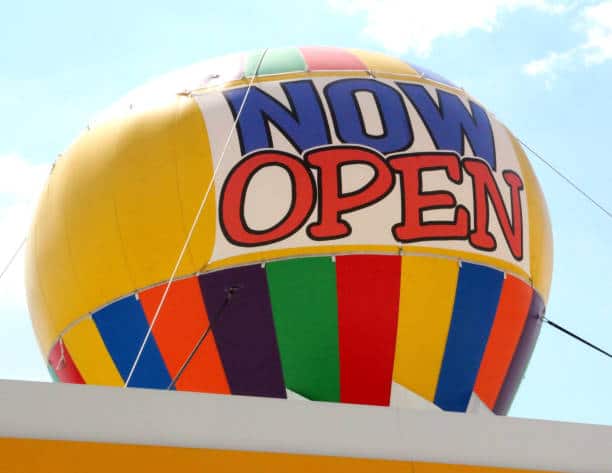
Large advertising inflatables grab attention through size, color, and movement. They combine visual height with brand-specific design, using durable materials that withstand event conditions indoors or outdoors.
Types and Popular Uses
Advertising inflatables come in many forms, each suited for different marketing goals. Inflatable arches often mark race routes or event entrances, guiding foot traffic and promoting name recognition. Product replicas mimic real items like bottles, cans, or tools, helping customers quickly connect the display to a brand.
Businesses also use inflatable displays shaped as company logos or mascots to create memorable visuals at festivals or store openings. Inflatable domes and tunnels offer immersive spaces for activities or product demos. These setups help increase brand visibility from long distances and make events visually distinctive.
|
Common Type |
Example Use |
Typical Size |
|---|---|---|
|
Inflatable Arch |
Event or race entrance |
15-30 ft wide |
|
Product Replica |
Product launch |
Varied by model |
|
Inflatable Mascot |
Festivals, trade shows |
10-25 ft tall |
Each of these types carries practical benefits—easy reuse, quick inflation, and adaptability to different event spaces.
Key Materials and Construction
Durability determines how well large inflatables perform and how long they last. Most use PVC tarpaulin, heavy-duty vinyl, or coated nylon because these materials resist sun, wind, and moisture. They’re flexible enough to hold air pressure while keeping crisp printed colors.
Construction involves heat welding or stitched seams depending on the style. Sealed inflatables, for instance, trap air inside and stay inflated for days, while continuous-air designs rely on small blowers during operation. Both perform differently based on location and weather.
Reinforced anchor points keep structures steady, and custom printing matches exact brand colors. Proper storage after deflation extends their lifespan and maintains a professional look for future events.
Custom Design Considerations
Designing custom inflatables takes planning to align visuals with brand goals. Companies often begin with scale drawings that map out proportions, placement of artwork, and viewing angles. The goal is clarity at a distance—bold shapes and limited text work best.
Choosing the right structure—such as a dome, arch, or character—depends on available space and audience flow. Working with custom advertising inflatables allows creative integration of logos, colors, and dimensions.
Key factors like airflow, indoor or outdoor use, and weight affect final production. Lightweight materials make setup easier, while reinforced stitching adds safety. Clear communication between designers and event planners helps deliver a visually balanced structure ready for repeated promotional use.
Complete Setup Process for Large Advertising Inflatables
Large advertising inflatables need careful handling to perform well and stay safe during use. The process includes preparing the location, setting up blowers, securing anchors, and following proper maintenance steps to keep the inflatable durable for future events.
Pre-Installation Preparation
Before installation, the team assesses the site layout to check for level ground, obstacles, and access to power. A flat, open space prevents tilting or uneven inflation. For outdoor events, weather conditions like strong wind or rain can delay setup or require added support lines.
They also inspect the surface for sharp objects or debris that could damage the base material. Inflatables made from PVC or nylon may wear faster if placed on rough ground. Using a ground tarp adds protection and extends the product’s life.
To plan power needs, the team confirms blower power requirements and outlet positions. Large displays often need more than one blower, so checking the electrical capacity early prevents delays. Having the correct extension cords and backup power sources avoids interruptions during operation.
Inflation and Blower Operation
Inflation starts once the structure is spread flat and connections are secure. Proper placement of the blowers at each valve helps the inflatable fill evenly. Operators should avoid over-inflating since too much pressure can weaken seams. Under-inflating, on the other hand, reduces visibility and stability.
The average inflation time depends on size and blower power, usually taking a few minutes to reach full shape. Continuous blowers must stay on during the display to maintain internal air pressure. They work best when kept clear of obstructions and moisture.
Crews often check airflow paths and listen for leaks. Any air escaping can suggest a loose zipper or air valve. Regular monitoring during setup helps maintain consistent shape and prevents damage to internal stitching or panels.
Anchoring and Safety Checks
Anchoring keeps large inflatables steady during wind or movement. Common anchor points include ground stakes, sandbags, or weighted water barrels. Proper tension on tie-down straps distributes weight and reduces sway. Anchors should align evenly around the inflatable for balanced pressure.
Technicians inspect every line before public use. They test for tight knots, frayed cords, and the correct angle of pull. For rooftops or elevated displays, additional tethers may be added for stability.
A short check of electrical connections follows. Loose plugs or exposed wires increase risks, especially outdoors. Once secured, the inflatable should move only slightly with air and maintain its intended form throughout the event.
Maintenance and Storage Best Practices
After use, the inflatable must be deflated slowly to protect seams and folds. Teams remove air by opening all valves and pressing the structure gently. Folding begins from one end to expel leftover pockets of air.
Cleaning comes next. Dirt, moisture, or residue can shorten material life and reduce color brightness. Mild soap and water work best for washable fabrics. Strong solvents are avoided because they weaken coatings that add durability.
Storage spaces should be dry, ventilated, and away from direct sunlight. Storing in a damp area may lead to mold or discoloration. For long-term care, inflatables should be refolded occasionally to prevent permanent creases and to check for small punctures before the next setup.
Conclusion
Large advertising inflatables require clear planning, teamwork, and proper setup to perform well at events. Each step, from design to assembly, follows a simple structure that helps crews work efficiently and meet deadlines.
The process usually includes layout planning, material preparation, and safety checks before inflation begins. A quick checklist can help teams stay organized:
|
Step |
Task |
Timeframe |
|---|---|---|
|
1 |
Layout and anchor placement |
30–60 minutes |
|
2 |
Blower connection and inflation |
10–20 minutes |
|
3 |
Visual inspection and adjustments |
15 minutes |
Good communication between setup staff makes the job smoother and reduces mistakes. Proper anchoring and clear safety zones prevent damage and keep the inflatable stable during use.
Large inflatables create strong visual impact, but their success depends on careful setup and attention to detail. By following a steady process and maintaining equipment, event teams can use these displays safely and effectively for many projects.