What to Do at Home Before Leaving for Vacation

Leaving for vacation feels much easier when the house is prepared properly before departure. A few practical steps can reduce the risk of leaks, spoiled food, security issues, and unnecessary stress while you are away. Careful preparation also makes the return home far more comfortable after a long trip.
After some simple checks, travel itself becomes more enjoyable and gives people time to stay entertained, explore new interests, or connect with German mail-order brides during quieter moments away from home.
Secure the House Properly
Home security deserves attention before anything else because it affects both safety and comfort while you are away. Doors, windows, entry points, and visible signs of absence should all be checked carefully before departure. A house that looks occupied is often less likely to attract unwanted attention.
Check Doors and Windows
Every door and window should be locked, including less obvious access points such as side entrances, balcony doors, and basement windows. A final walk through the house is more reliable than trusting memory, especially if several people are packing and leaving at the same time. Locks should be checked physically rather than assumed secure.
Curtains and blinds should be adjusted with care as well. Completely closed blinds can sometimes make the home look empty for days, while a more natural arrangement often appears less suspicious from outside. The goal is to make the property look quiet and ordinary rather than obviously vacant.
Handle Outside Details
The exterior of the home should be reviewed before departure as carefully as the inside. Packages, newspapers, advertising leaflets, and an overflowing mailbox can all signal that nobody is around. Lawn condition and visible bins can also affect how occupied the property appears from the street.
A few outdoor checks are often the most useful before leaving:
- Lock all doors and windows
- Set light timers if available
- Pause deliveries or ask someone to collect them
- Store spare keys safely
Prevent Utility and Appliance Problems
Utility issues can become expensive when nobody is home to notice them quickly. Water leaks, unnecessary power use, and food spoilage are among the most common problems that happen during vacations. Kitchens, bathrooms, and laundry areas deserve extra attention because small issues there can become larger ones after several days.
Empty the Trash and Fridge
Trash should be removed before leaving, especially food waste that can create odors or attract insects. The refrigerator should also be checked for products that may spoil while you are away, including leftovers, dairy items, fruit, and vegetables. A quick fridge review can save you from unpleasant cleanup after the trip.
Warm weather makes this step even more important. A home that is closed up for several days can hold smells much longer than expected, especially if perishable food has been left behind. Returning to a clean kitchen feels far better than dealing with spoiled food as soon as you walk in.
Unplug Small Devices
Small appliances and electronics that do not need to stay connected should be unplugged before departure. Coffee makers, toasters, chargers, lamps, and entertainment devices often continue drawing power even when they are not actively being used. Removing them from the outlet can reduce minor electrical risk and avoid unnecessary energy use.
Larger systems do not always need the same treatment. Refrigerators, security systems, and other essential equipment usually remain on, but everything else should be checked with care. A quick review of countertops, desks, and bedside tables often reveals several devices that can be safely unplugged.
Check Water and Temperature
Longer trips make it worth checking visible pipes, taps, and hose connections before leaving. Washing machines, dishwashers, sinks, and toilets are common places where small leaks can begin. Some homeowners also choose to shut off the main water supply if the property will be empty for an extended period.
Indoor temperature should be adjusted to a safe and efficient level rather than left at a normal daily setting. Heating or cooling the home too aggressively while nobody is there wastes energy and money. A balanced setting protects the home while keeping utility use more reasonable.
Several utility checks usually deserve attention before a trip:
- Remove perishables from the fridge
- Take out all trash
- Unplug nonessential devices
- Check taps, hoses, and visible leak points
- Adjust heating or cooling settings
Organize Travel Essentials Before Departure
A well-prepared home also depends on leaving personal essentials in good order. Travel documents, chargers, medication, and emergency contacts should be organized before you head out. Good organization reduces last-minute stress and lowers the chance of forgetting something important at home.
Keep Important Documents Ready
Passports, identification, tickets, reservations, insurance details, and emergency numbers should be kept together in one folder, pouch, or travel bag. Digital copies can also be useful if a paper document is misplaced during the trip. Easy access to these items saves time at airports, hotels, and border checks.
A clear document routine also helps reduce stress during departure. Searching through several bags for one reservation or confirmation can quickly create confusion when you are already trying to leave on time. Keeping everything together is one of the simplest ways to travel more calmly.
Leave Emergency Information Accessible
A trusted friend, neighbor, or relative may need to help while you are away, so it is worth leaving practical information with someone reliable. Contact details, travel dates, and basic instructions for urgent home issues can be useful if something unexpected happens. Clear communication makes it much easier for another person to assist if needed.
Written instructions are often enough. A short note or message explaining how to reach you, where to find essential information, and what to do in a basic emergency can save time later. Preparation here protects both the house and your peace of mind.
A Better Departure Leads to a Better Return
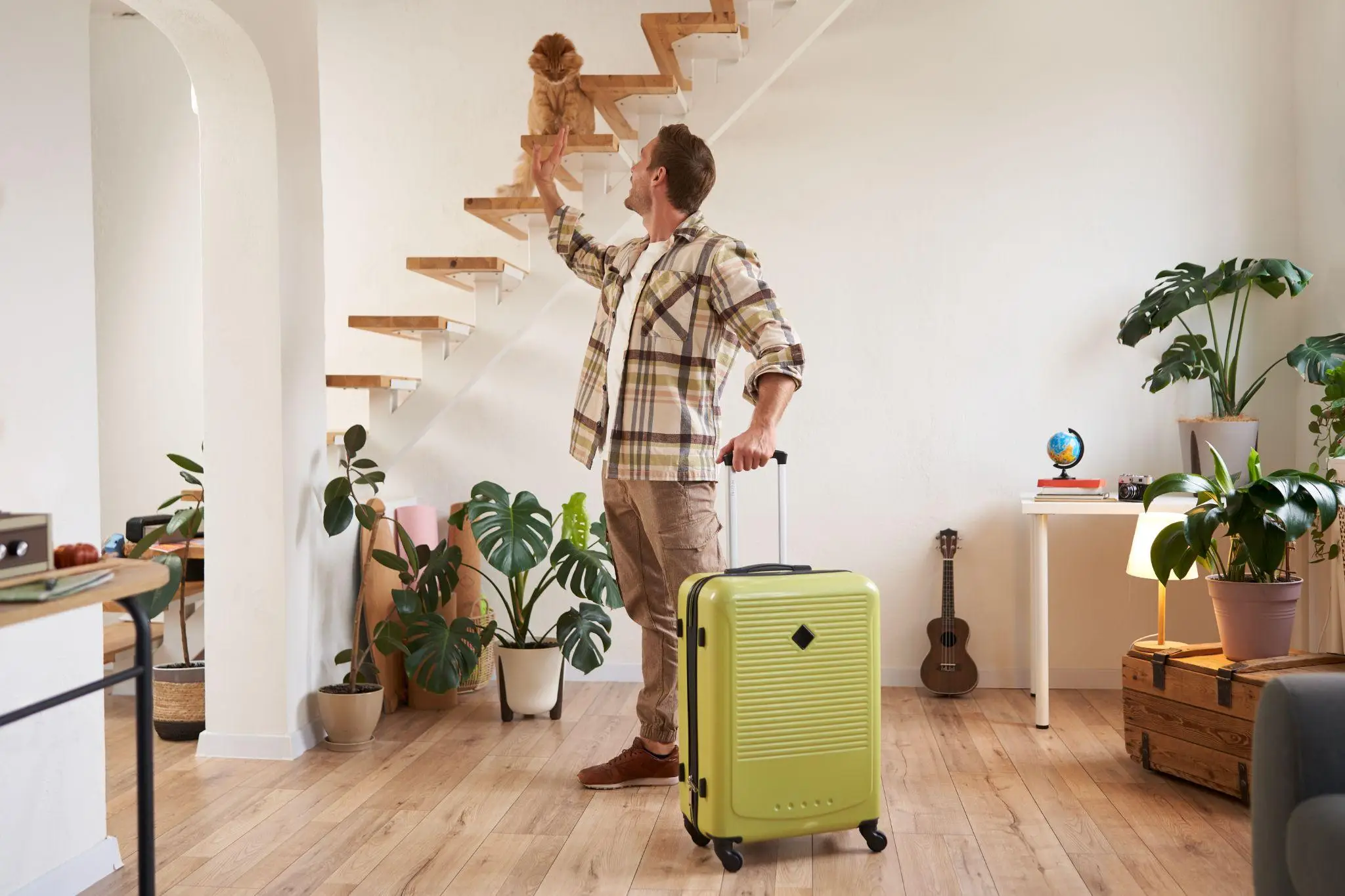
A home that is secured, cleaned, and organized is much easier to leave for several days or several weeks. Locked entry points, checked appliances, cleared perishables, and prepared documents all reduce the chance of problems while you are away. Returning home is also easier when everything has been handled properly before departure.