
The Importance of Preventative Care: Scheduling Your Annual Wellness Checkup

In today’s fast-paced world, many people wait until something feels wrong before seeing a doctor. Unfortunately, by the time symptoms appear, health issues may already be more advanced. Preventative care takes a different approach — focusing on early detection, routine monitoring, and long-term wellness.
Scheduling your annual wellness checkup is one of the most effective ways to stay ahead of potential health concerns. And just as important is keeping up with your regular dental checkup, since oral health plays a major role in overall well-being.
What Is an Annual Wellness Checkup?
An annual wellness checkup is a comprehensive review of your overall health. Rather than addressing a specific illness, it focuses on prevention and risk assessment.
During your visit, your healthcare provider may:
- Review your personal and family medical history
- Check blood pressure, heart rate, and weight
- Order routine blood tests
- Screen for common chronic conditions
- Update vaccinations
- Discuss lifestyle habits and health goals
This yearly evaluation creates a health baseline and helps track changes over time.
Why Early Detection Matters
Many serious conditions develop gradually and show few early symptoms. High blood pressure, diabetes, heart disease, and certain cancers can progress quietly.
Regular annual wellness checkups allow providers to:
- Identify early warning signs
- Monitor lab trends
- Recommend preventive screenings
- Adjust treatment plans when necessary
Early detection often leads to simpler treatments, lower medical costs, and better outcomes.
Don’t Overlook Your Dental Checkup
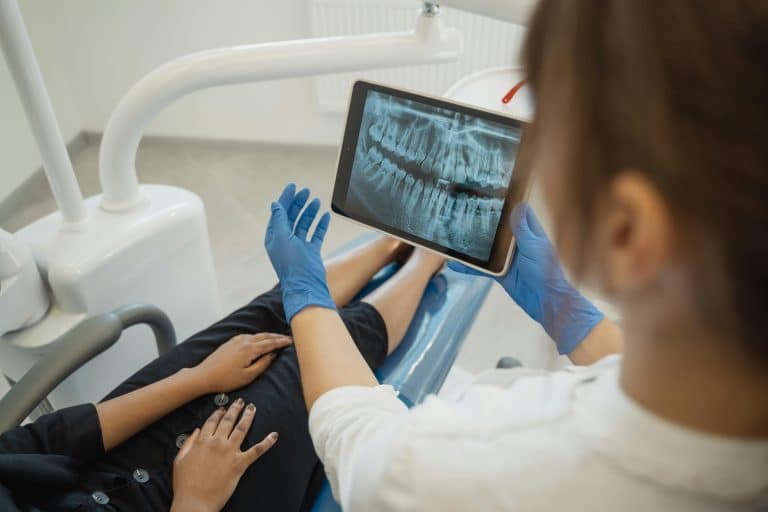
Preventative care extends beyond general medicine. Scheduling a routine dental checkup is equally important for maintaining total health.
Dental visits help:
- Detect cavities and gum disease early
- Identify oral infections
- Screen for signs of oral cancer
- Prevent plaque buildup and long-term damage
Oral health is closely linked to systemic conditions such as heart disease and diabetes. Infections in the mouth can contribute to inflammation elsewhere in the body. By keeping up with both your annual wellness checkup and dental checkup, you protect your health from multiple angles.
Managing Chronic Conditions Proactively
If you live with a chronic condition, routine medical and dental care becomes even more essential. Regular monitoring ensures:
- Medications remain effective
- Complications are minimized
- Lifestyle adjustments are guided properly
For example, individuals with diabetes benefit greatly from consistent dental checkups, as gum health can directly affect blood sugar management.
Preventative visits reduce emergency situations and long-term complications.
Personalized Guidance for Long-Term Health
An annual wellness checkup provides time to discuss your individual health risks based on age, genetics, and lifestyle.
You can talk with your provider about:
- Nutrition and exercise
- Sleep habits
- Stress management
- Mental health concerns
- Preventative screenings appropriate for your age group
Similarly, your dentist can provide tailored advice on oral hygiene practices, dietary habits affecting teeth, and early signs of issues that may otherwise go unnoticed.
Strengthening Your Healthcare Support System
Building consistent relationships with your healthcare provider and dentist improves continuity of care. When professionals understand your medical and dental history, they can spot changes more easily and offer more accurate recommendations.
This ongoing partnership supports better long-term health outcomes.
Preventative Care Saves Money Over Time
Routine visits may seem like an added expense, but preventative care often reduces long-term healthcare costs. Addressing minor issues before they escalate prevents costly procedures, hospital visits, and advanced treatments.
Many insurance plans cover annual wellness checkups and dental checkups because preventative care reduces overall risk and expense.
Making Preventative Care a Habit
To stay consistent:
- Schedule your annual wellness checkup around the same time each year
- Book dental checkups every six months or as recommended
- Keep a list of medications and health concerns
- Prepare questions before your appointments
Treat these visits as essential maintenance, not optional appointments.
Final Thoughts
Preventative care is one of the most powerful tools for protecting your long-term health. By scheduling your annual wellness checkup and maintaining regular dental checkups, you create a strong foundation for early detection, disease prevention, and overall well-being.
A proactive approach today can prevent serious complications tomorrow.