The Art of the Well-Maintained Home: A Family Guide to Safety and Functionality

A house is more than just a structure; it is the foundation of family life. It’s the backdrop for milestones, the safe harbor during storms, and the functional space where daily routines unfold. Keeping this haven running smoothly requires proactive effort, a combination of regular home maintenance services, strategic upgrades, and an unwavering focus on safety.
This article explores key aspects of home stewardship, helping families create a more functional, safer, and enduring living environment, while navigating the crucial decision of DIY versus professional expertise.
Prioritizing Household Safety: The Foundation
Safety in the home is paramount, especially for families with young children or elderly members. It’s an ongoing process, not a one-time fix.
Fire and Carbon Monoxide
The first line of defense is ensuring adequate early warning systems. Every floor, including the basement, should have functioning smoke detectors, ideally hard-wired and interconnected. Test them monthly and replace batteries at least once a year. Carbon monoxide (CO) detectors are equally vital, particularly near sleeping areas and on floors with fuel-burning appliances (furnaces, water heaters, fireplaces). CO is an odorless, colorless gas, making detection solely dependent on these devices.
Electrical and Plumbing Hazards
Old or faulty wiring is a significant fire risk. Be vigilant about flickering lights, warm switch plates, or persistent circuit breaker trips. These are not minor inconveniences; they are distress signals that often require a professional electrician. In areas exposed to water, like kitchens, bathrooms, and basements, Ground Fault Circuit Interrupters (GFCIs) are mandatory. These outlets shut off power instantly if a short circuit occurs, preventing electrocution.
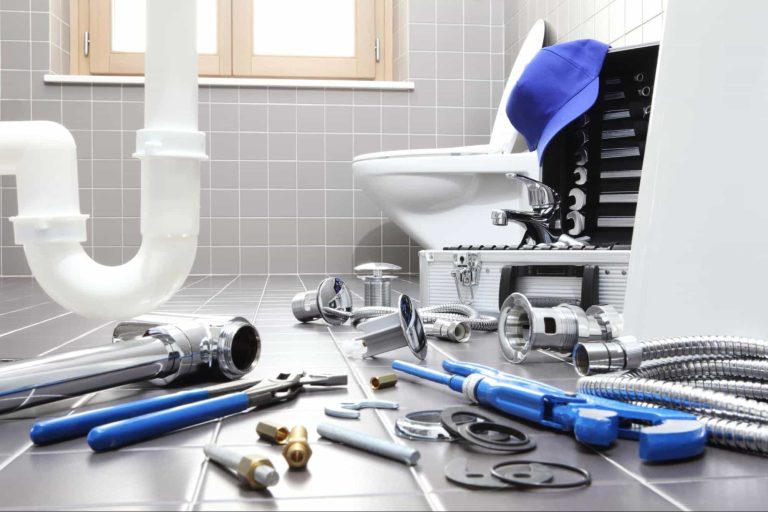
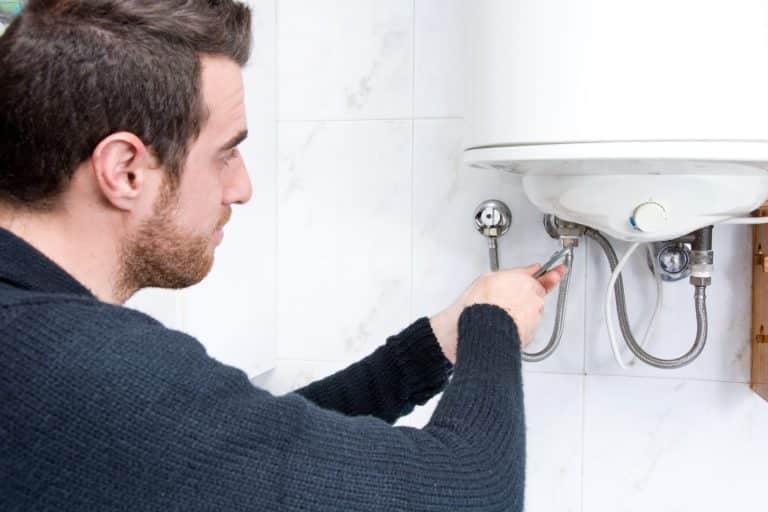
Plumbing leaks, even small ones, can lead to severe structural damage and mold growth. Regularly check under sinks and around toilets and appliances for moisture. Learning how to quickly turn off the main water supply to the house is a simple but critical safety skill for every adult in the home.
The Home Maintenance Checklist: Preventing Costly Repairs
Regular, routine maintenance is the single most effective way to save money and stress in the long run. Deferred maintenance is simply a guaranteed future emergency.
Seasonal Exterior Checks
The roof and gutters bear the brunt of the weather. Clean the gutters at least twice a year in the late fall after leaves drop and in the spring. Clogged gutters cause water to back up, leading to fascia damage, foundation issues, and basement leaks. Inspect the roof from the ground using binoculars to check for loose, cracked, or missing shingles. Pay attention to the seals around vents and chimneys.
Twice a year, inspect the caulk and weather stripping around windows and doors. Air leaks significantly impact energy bills, and compromised seals can allow water infiltration, leading to wood rot.
HVAC and Appliance Care
The heating, ventilation, and air conditioning (HVAC) system is the most complex mechanical system in the home. Replace or clean the air filters every 1 to 3 months, depending on the system type and usage. Dirty filters reduce efficiency and strain the unit, leading to premature failure. Have a certified technician perform a professional tune-up annually (heating in the fall, cooling in the spring) to ensure efficiency and safety.
Don’t forget the dryer vent! Lint buildup is a major fire hazard. Clean the dryer vent and hose annually. A blocked vent also forces the dryer to work harder, shortening its lifespan.
Easy Property Upgrades for Enhanced Functionality
Not all improvements require extensive renovation. Many projects offer a high return on investment in terms of usability and aesthetic appeal.
Enhancing Lighting
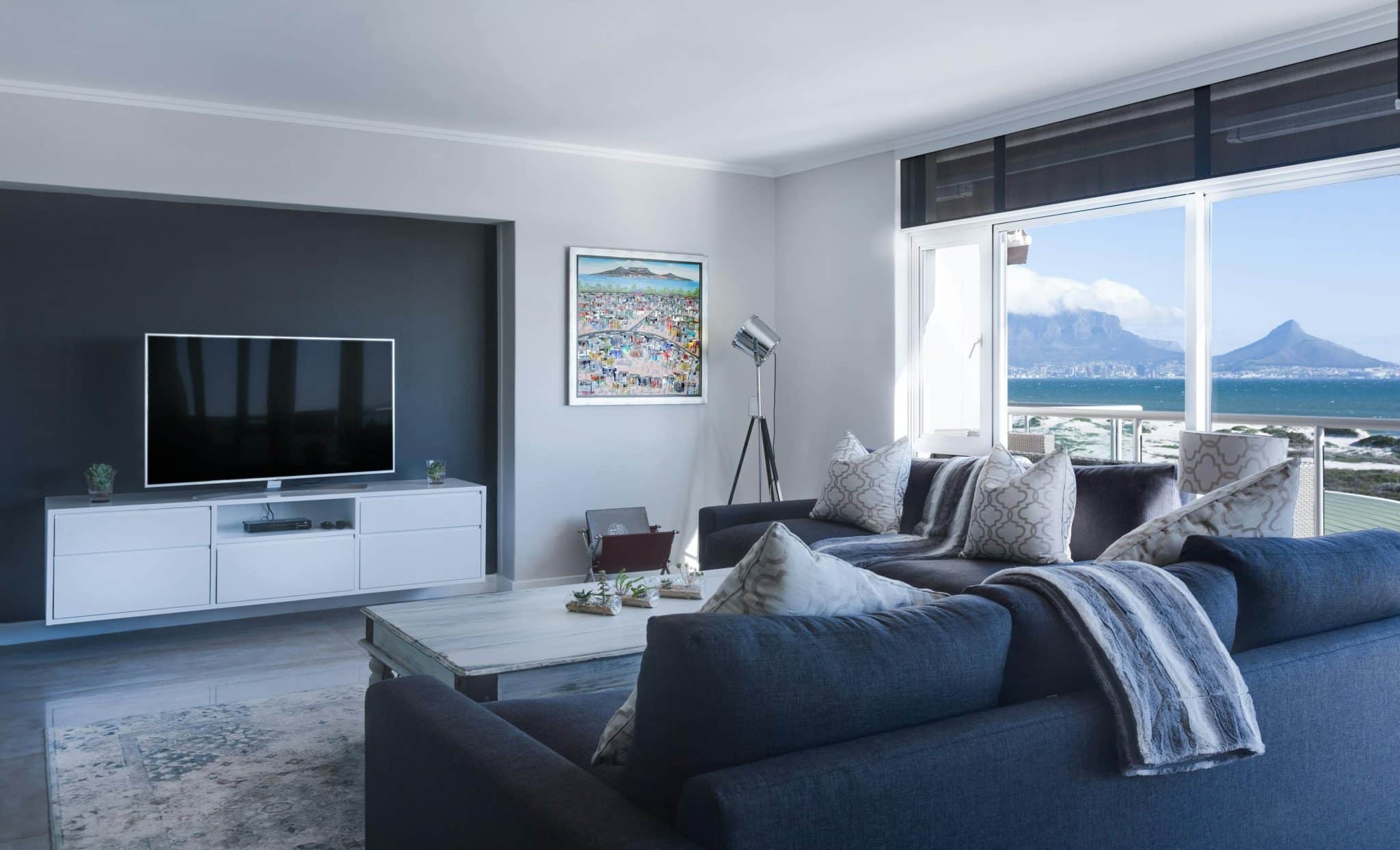
Swapping out old, dated fixtures for modern, energy-efficient LED lighting drastically improves the ambiance and functionality of a room. Focus on layered lighting: ambient (general room light), task (e.g., under-cabinet lighting in the kitchen), and accent (e.g., highlighting artwork). Dimmers are an inexpensive upgrade that adds versatility and mood control to living and dining areas.
Smart Storage Solutions
Clutter is the enemy of a functional home. Install built-in closet organization systems, which maximize vertical space and accessibility. In the garage or basement, use wall-mounted shelving and pegboards to get tools and seasonal items off the floor. In the kitchen, simple roll-out cabinet drawers transform deep, inaccessible cabinets into highly practical storage.
Improving Curb Appeal
The look of the exterior impacts your family’s pride and the property’s value. This doesn’t mean a total overhaul;TQN Construct simple steps like power washing the siding and walkways, refreshing the mulch and landscaping, and repainting the front door in a welcoming color can make a dramatic difference.
DIY vs. Professional: Knowing Your Limits
A key decision in home maintenance and repair is determining when to grab a toolbox and when to dial a professional. This decision is typically governed by three factors: safety, complexity, and specialized knowledge.
|
Project Type |
DIY (Do It Yourself) |
Professional |
|---|---|---|
|
Simple Maintenance |
Changing air filters, cleaning gutters, painting a single room, minor spackling/patching, replacing a showerhead. |
HVAC tune-ups, gutter repair (if roof access is required), large-scale interior or exterior painting. |
|
Repairs |
Replacing a leaky faucet washer, plunging a toilet, replacing broken light switches/outlets (when power is off). |
Roof repair/replacement, major water leaks, foundation repair, appliance repair, electrical panel work. |
|
Upgrades |
Installing shelving, smart thermostats, minor landscaping, changing cabinet hardware. |
Installing or moving gas lines, installing new dedicated electrical circuits, complex tiling, structural modifications. |
The Safety Imperative
Anything involving high voltage electricity like the main panel gas lines, or requiring working on a steep roof should be left to certified professionals. The potential for serious injury or fire is simply too high to justify the risk. Professional licenses also ensure that the work meets local building codes, which is crucial for safety and insurance purposes.
The Cost of Mistakes
While DIY can save labor costs, a major mistake like incorrect wiring that shorts a system, or a plumbing misstep that causes a flood will ultimately cost far more than the original professional fee. As a rule of thumb, if the repair involves the core systems of the house electrical, plumbing, HVAC, or structure always consult a professional. For cosmetic and basic functional tasks, the DIY route is a great way to save money and build homeownership skills.
Conclusion: Stewardship of the Home
Creating a safer and more functional home for your family is a testament to mindful home stewardship. It’s about more than just aesthetics; it’s about providing a stable, secure, and healthy environment. By adhering to a comprehensive maintenance schedule, making strategic, high-impact upgrades, and wisely choosing between DIY and professional assistance, families can ensure their most important asset their home remains a source of comfort, security, and lasting value for years to come.