Roof Maintenance Checklist Every Homeowner Should Follow Each Year

Your roof protects your family, your belongings, and the structure of the home itself. But here’s the thing many homeowners forget: roofs need routine care long before leaks show up on the ceiling. Roof maintenance isn’t optional if you want your home to stay in good shape.
The good news is that with a simple yearly checklist, you can avoid a lot of roof problems. Below are the key tasks homeowners should follow every year to keep their roofs working properly.
Schedule Seasonal Roof Inspections
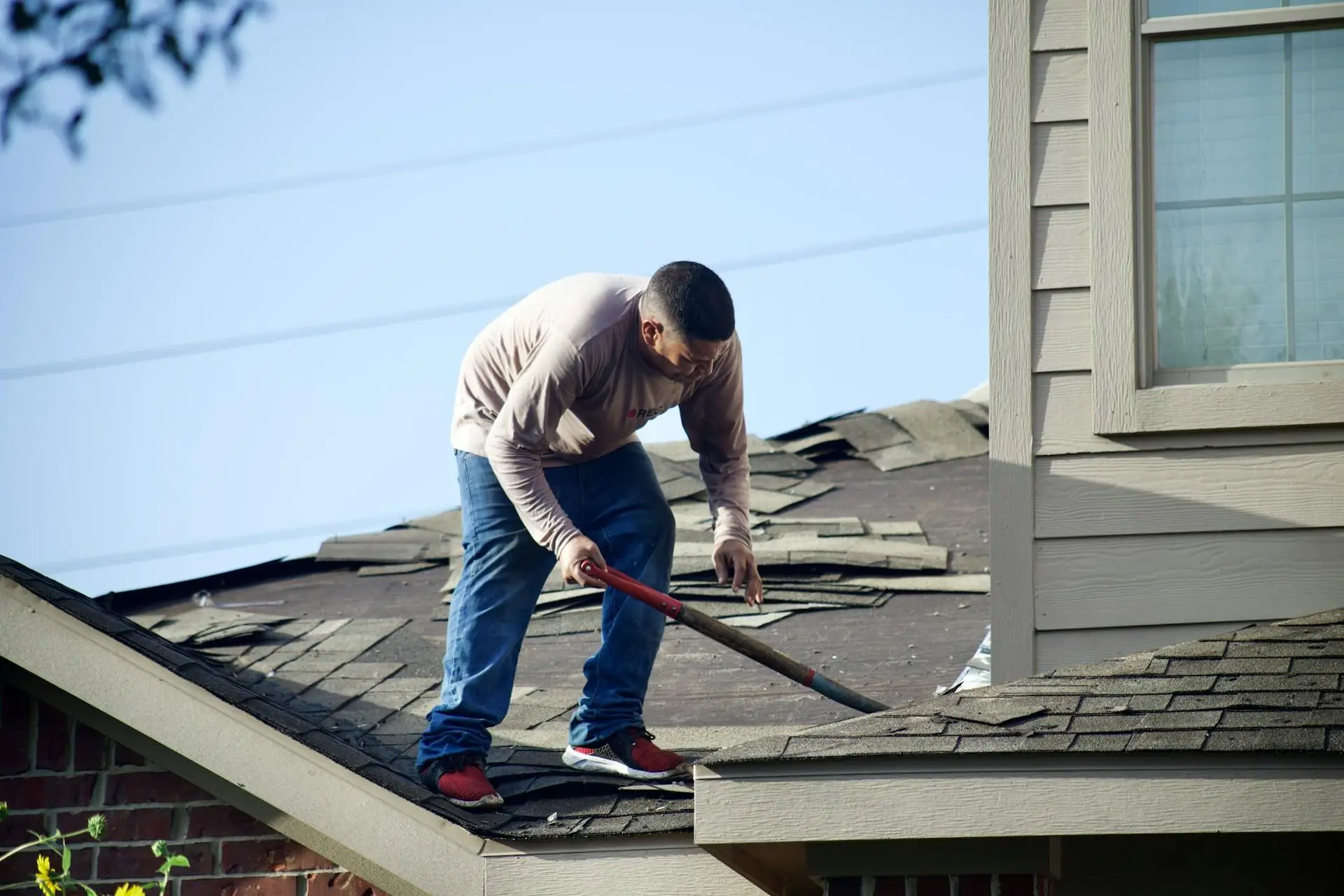
The first step is also the most important. You should check your roof twice per year, typically in spring and fall. Seasonal inspections help catch small issues before they grow into expensive repairs. During a basic visual inspection, look for:
- Missing shingles
- Curling or cracked shingles
- Areas that look uneven or sagging
- Dark streaks or discoloration
- Debris buildup
You don’t always need to climb onto the roof. Many homeowners simply use binoculars from the ground to scan for obvious problems.
Storms are another time to check your roof. Strong winds, hail, or falling branches can loosen shingles or damage flashing without you noticing right away. If something looks off, it may be time to search online for a “roofer near me” to get a professional opinion before the issue worsens.
Clean Gutters and Drainage Systems
Gutters play a big role in roof health. When they clog with leaves and debris, rainwater can’t drain properly. That water may back up under the roof edge and cause damage. Regular gutter cleaning helps protect several parts of your home:
- Roofing materials
- Exterior siding
- The home’s foundation
Most experts recommend cleaning gutters at least twice a year, usually in spring and fall. During cleaning, check for:
- Sagging gutter sections
- Rust or corrosion
- Loose downspouts
- Water marks on siding
If your home is near large trees, you may need to clean gutters more often. Some homeowners install gutter guards to reduce debris buildup, but occasional inspections are still necessary.
Check Flashing Around Roof Openings
Flashing is the metal barrier installed around chimneys, vents, skylights, and other roof openings. It helps seal those areas and keeps water from entering the home. Over time, flashing can loosen or corrode due to weather exposure. Temperature changes can also cause expansion and contraction that weakens the seal. During your yearly maintenance check, inspect flashing for:
- Rust spots
- Cracks
- Loose edges
- Missing sealant
Even a small gap can allow moisture to seep into your home. Detecting flashing damage early is one of the easiest ways to prevent roof leaks.
Remove Debris From the Roof
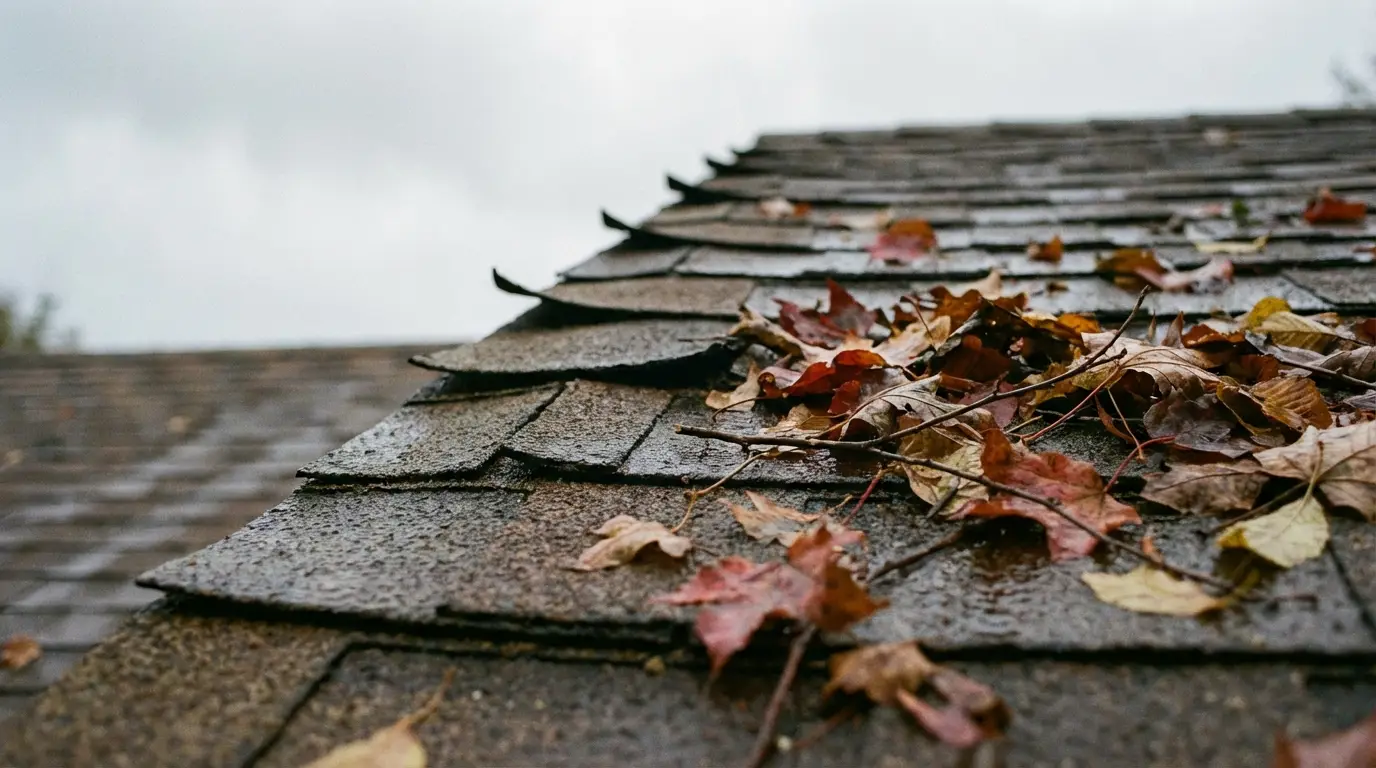
Leaves, twigs, and branches may seem harmless, but they can trap moisture against roofing materials. Over time, that moisture can lead to rot, mold, or algae growth. Keeping your roof clear of debris is a simple but important step. Here are a few helpful habits:
- Sweep off leaves after heavy storms
- Remove branches that fall onto the roof
- Keep valleys (the angled channels where roof sections meet) clear of debris
Homes with nearby trees should also trim back overhanging branches. During strong winds, branches can scrape shingles or break off and cause damage. Regular trimming helps reduce both debris buildup and storm risk.
Watch for Moss and Algae Growth
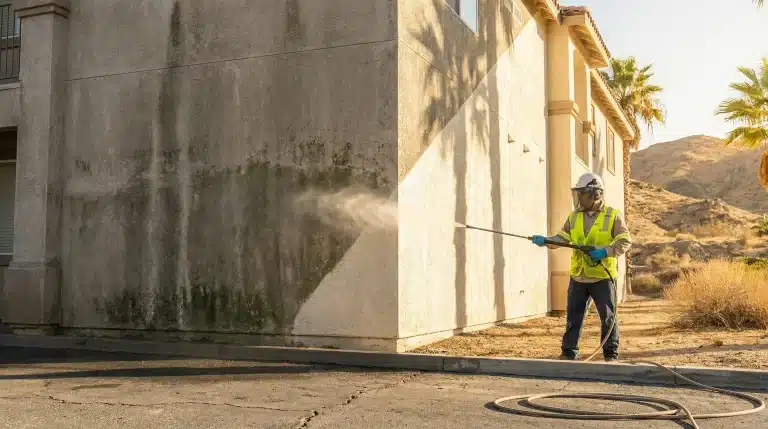
Those dark streaks or green patches you sometimes see on roofs are usually algae or moss. Moss tends to grow in damp, shaded areas. The problem is that moss holds moisture against the roof surface, which can slowly break down shingles. Signs of moss or algae include:
- Green patches or fuzzy growth
- Dark streaks running down shingles
- Shingles lifting slightly at the edges
Light growth can often be removed with specialized cleaning treatments. However, aggressive scrubbing or harsh chemicals can damage roofing materials. If the problem spreads, a roofing professional can remove the growth safely and recommend prevention methods.
When to Hire a Professional Roofer
Many roof maintenance tasks can be handled from the ground or with basic tools. But some situations call for professional help. Consider contacting a roofing professional if you notice:
- Multiple missing shingles
- Large moss patches
- Persistent leaks
- Sagging areas on the roof
- Damaged flashing or vents
Professional inspections are often recommended every two to three years, even if everything appears fine. For example, homeowners in Florida dealing with heavy sun and seasonal storms often consult specialists like this Ocala Roofer who understands the local climate and roofing challenges. Experienced roofers can spot early warning signs that homeowners might miss and recommend the right repairs.
Endnote
Roof maintenance doesn’t need to be complicated. A few inspections, regular cleaning, and quick repairs can extend your roof’s life by many years. By following this yearly checklist: checking shingles, clearing gutters, inspecting flashing, and monitoring attic conditions, you reduce the risk of leaks, mold, and costly structural damage. Your roof works hard every day, therefore, taking the time to care for it once or twice a year ensures it keeps protecting your home for decades to come.