
iGaming Affiliate Marketing 2026: How to Launch a Casino Affiliate Program

The iGaming affiliate marketing sector continues to expand, and the role of partners in driving high-quality traffic has become increasingly significant. Affiliate programs are evolving from one-off campaigns into systematic ecosystems, where affiliates serve as full-fledged growth channels for businesses. A well-structured casino affiliate website is a central component of such programs, ensuring effective player conversion and reliable traffic attribution. In this article, we will explore how these programs are structured, which payout models are most effective, and how automation can help manage a robust affiliate network.
What iGaming Affiliate Marketing Is and How It Works
Before launching a program, it is essential to understand the mechanics of affiliate marketing. iGaming affiliate marketing operates on a performance-based model where partners bring players to a platform and earn rewards for measurable actions such as registration, first deposit (FTD), turnover, or net revenue.
In a typical workflow, an affiliate publishes promotional content (reviews, rankings, landing pages, Telegram posts, streams), the player clicks the tracked link, and the tracking system attributes the conversion. Subsequent player actions are recorded in reports, which form the basis for calculating the partner’s commission.
Reward Models: How to Choose Clear and Sustainable Rules
Selecting the appropriate payout model is a key step when launching an affiliate program, as it directly influences partner motivation and traffic quality.
Revenue Share (RevShare)
The affiliate earns a percentage of the net revenue generated by the referred players. The strength of this model lies in the affiliate’s long-term interest in player retention, while revenue volatility can be mitigated through transparent calculation formulas and bonus accounting.
CPA (Cost Per Acquisition)
A fixed payout for a qualified action—most commonly the first deposit. CPA provides predictable cash flow and is suitable for rapid traffic scaling, but requires deposit filters, KYC verification, and anti-fraud measures.
Hybrid
A combination of RevShare and CPA balances interests: immediate earnings upfront and long-term revenue from loyal players.
Sub-affiliate
Affiliates can recruit other partners and earn a percentage of their commissions, accelerating network growth while keeping level and share limits to maintain program economics.
Important Terms and Conditions
Even with a well-chosen model, clearly defined terms are essential. This includes negative carryover policies, minimum payout thresholds, tiered commissions, and clawback provisions in case of fraud. Transparency strengthens partner trust and encourages high-quality traffic.
Building an Effective Program: From Goals to Onboarding
A successful program requires careful planning at every stage—from setting goals to onboarding partners.
Step 1. Goals and KPIs
Start by defining key performance indicators: CAC, FTD share, first deposit conversion, active players at 30/60/90 days, ARPU, NGR per player, and LTV. The main KPI is ROI and affiliate channel payback period.
Step 2. Platform and Technology
A reliable tracking system is the backbone of the program. It must support S2S postbacks, click IDs, cross-device tracking, real-time reporting, anti-fraud measures, and BI integrations for analytics.
Step 3. Affiliate Website
A high-quality site significantly improves conversions and builds trust with players. It should include SEO-optimized content, detailed reviews, game rankings, and bonus offers to maximize engagement and revenue potential.
Step 4. Partner Terms
Define commission structures, creative formats, disclaimers, payout schedules, and payment methods. Exclusive offers and temporary boost coefficients incentivize top affiliates.
Step 5. Recruitment and Onboarding
New partners are sourced from relevant portals, SEO media, and industry conferences. Onboarding includes access to the affiliate dashboard, media kit, and knowledge base, as well as a test period and agreed quality criteria.
Reputation and Trust
Program reputation directly impacts player conversion and partner loyalty. Positive reviews foster trust, so monitoring feedback, such as SEO.Casino on Trustpilot, and responding promptly is essential. Maintaining a transparent and consistent presence across review platforms signals reliability to both affiliates and players. Encouraging satisfied partners to leave feedback further strengthens credibility, while promptly addressing any negative comments demonstrates professionalism and a commitment to quality. Overall, a strong reputation enhances both recruitment of new affiliates and retention of existing ones.
Automation: Email, Chatbots, and CRM
Automation simplifies partner communication and enhances efficiency. Email sequences, payout notifications, and personalized promotions for top affiliates help maintain engagement. Chatbots handle routine tasks, while a CRM records traffic sources, KPIs, and payout history, segments partners, and automates funnels.
SEO and Competition
High-competition niches demand carefully planned SEO strategies to ensure sustainable visibility and traffic growth. This involves creating high-quality content, performing thorough keyword analysis, optimizing technical site elements, and building authoritative backlinks. Continuous monitoring of search performance and competitor tactics allows affiliates to stay ahead and refine their approach. To explore detailed strategies, tips, and practical examples for succeeding in competitive iGaming markets, read more.
Attracting and Retaining Partners
Strong affiliates value transparent rules, fair bonuses, and predictable payouts. Providing clear guidelines and consistent communication helps build confidence and long-term commitment. Motivational tools include tiered commissions, exclusive offers, co-marketing campaigns, and educational resources such as webinars or SEO training. Regularly sharing performance analytics, insights, and forecasted revenue empowers partners to plan their traffic and marketing efforts more effectively. Maintaining this level of transparency and support fosters loyalty and encourages sustained collaboration over time. 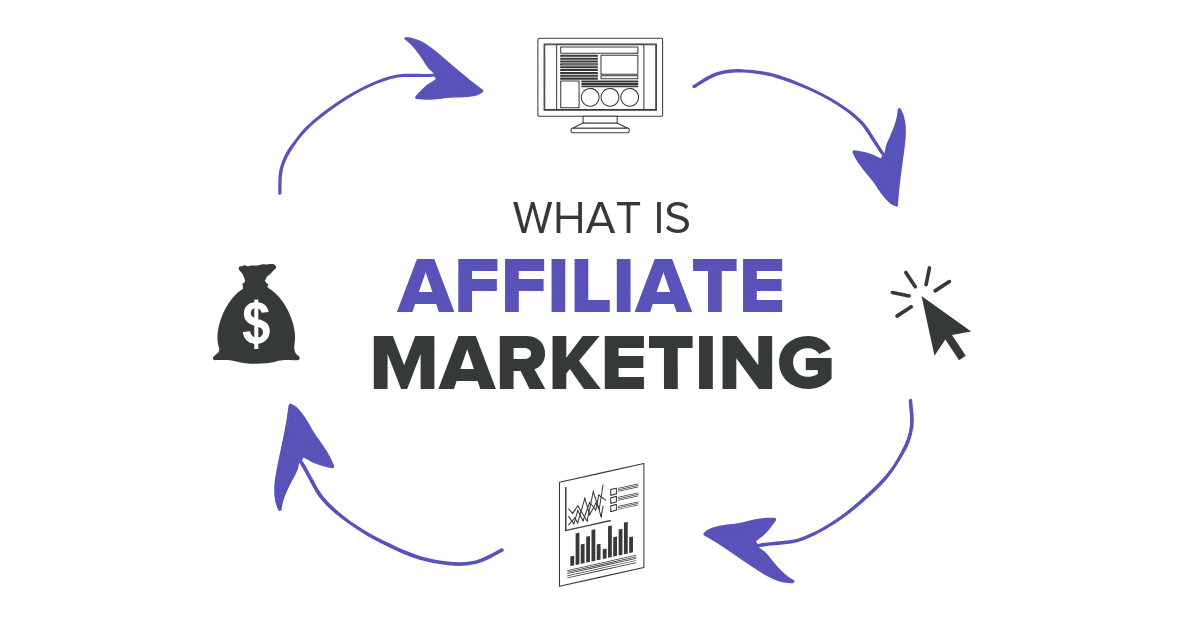
Trends in 2026
AI tools for scoring sources, generating promotional content, and allocating budgets, multi-channel campaigns via messengers and short videos, increased crypto payments, and the growing influence of streamers are shaping the modern affiliate landscape.
Common Mistakes
Even experienced programs can encounter challenges if certain pitfalls are overlooked. Awareness of these common errors allows managers to proactively safeguard the program’s efficiency and partner relationships.
- Commission dumping → loss of strong affiliates.
- Insufficient creative materials → low conversion.
- Lack of communication → affiliates cannot plan traffic.
- Delayed payouts or unclear NGR calculations → reduced trust.
- Absence of anti-fraud measures → overpayment for fake FTDs.
Measuring Performance
Track click-to-registration conversion, FTD rates, active players at 30/60/90 days, NGR per player, eCPA, and ROI by partner and source. Cohort analysis and A/B testing reduce the cost per acquisition.
Conclusion
A sustainable affiliate program combines sound economics, transparent terms, reliable technology, and consistent communication. Start with basic automation and clear payouts, then refine segmentation, bonus mechanics, and collaborative planning with key affiliates. The iGaming market will continue to grow, and the operators who build their system today will reap the rewards tomorrow.