How to Prepare for a Rainforest Trek Like a Pro

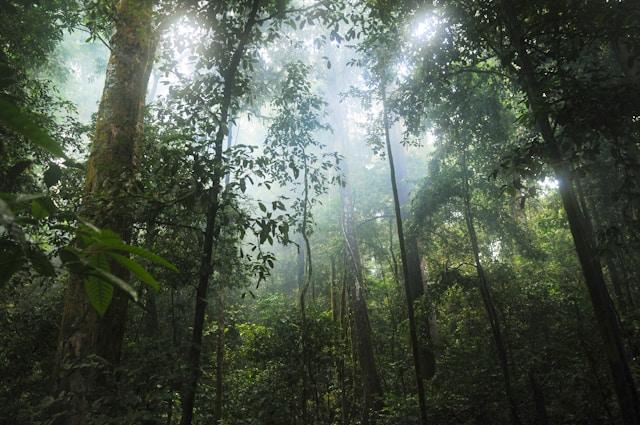
Venturing into a rainforest represents one of the most rewarding and challenging adventures a traveler can undertake. These ancient ecosystems, with their towering canopies and incredible biodiversity, offer experiences unavailable anywhere else on Earth.
However, the same conditions that create such rich environments also present significant obstacles for unprepared visitors.
Successful rainforest trekking requires careful planning across multiple dimensions, from physical conditioning to gear selection to mental preparation. The difference between a life-changing adventure and a miserable ordeal often comes down to decisions made weeks or months before setting foot on the trail.
This guide covers everything you need to know to approach your rainforest trek with confidence.
Essential Gear for Jungle Conditions
The rainforest environment demands specialized equipment designed to handle constant moisture, intense heat, and rough terrain. Your packing list should prioritize functionality over fashion, with every item earning its place through practical necessity.
Many experienced jungle trekkers recommend waterproof cameras to document the experience, as standard electronics quickly succumb to humidity damage.
Footwear deserves particular attention since you will spend hours navigating muddy trails, crossing streams, and scrambling over roots. Quality hiking boots with aggressive tread patterns and quick-drying materials perform far better than general-purpose outdoor shoes.
Consider bringing a second pair of lightweight camp shoes to give your feet relief during rest periods.
A reliable backpack with a rain cover protects your supplies from daily downpours. Internal dry bags add another layer of protection for items that absolutely cannot get wet. External attachment points allow you to secure frequently needed items for quick access without opening the main compartment.
Physical Conditioning Before Your Trip
Rainforest trekking taxes the body in ways that surprise even fit individuals. The combination of heat, humidity, uneven terrain, and heavy pack weight creates demands that differ significantly from gym workouts or road running.
Starting a targeted conditioning program at least two months before departure dramatically improves your experience.
Focus on building leg strength and endurance through activities like stair climbing, hiking with a weighted pack, and lunges. Core strength helps maintain stability on slippery surfaces and when navigating obstacles.
Cardiovascular conditioning should emphasize sustained moderate effort rather than short intense bursts.
Heat acclimatization presents a particular challenge for travelers from temperate climates. Whenever possible, exercise in warm conditions during the weeks leading up to your trip. Even spending time in saunas or steam rooms helps your body adjust to regulating temperature in humid environments.
Understanding Weather Patterns and Timing
Rainforests exist across multiple climate zones, each with distinct seasonal patterns that significantly impact trekking conditions. Researching the specific weather characteristics of your destination helps you choose optimal travel dates and pack appropriate gear.
Many tropical rainforests experience pronounced wet and dry seasons. While the dry season generally offers easier trekking conditions, it may also mean reduced wildlife sightings as animals disperse across larger areas.
The transitional periods between seasons often provide the best balance of manageable conditions and active wildlife.
Daily weather patterns in rainforests tend to follow predictable cycles. Mornings typically offer the clearest conditions, with clouds building through midday and afternoon thunderstorms arriving like clockwork.
Planning your most challenging hiking segments for early morning takes advantage of cooler temperatures and better visibility, keeping energy levels steady throughout long, humid days on the trail, and reducing the risk of getting caught in heavy rain later unexpectedly often.
Health Precautions and Medical Preparation
Tropical environments harbor diseases and parasites rarely encountered elsewhere. Consulting a travel medicine specialist several months before departure allows time for necessary vaccinations and preventive medications to take effect.
Common requirements include yellow fever vaccination, malaria prophylaxis, and updated tetanus immunization.
Assembling a comprehensive first aid kit specifically designed for jungle conditions protects against common ailments. Include treatments for insect bites, fungal infections, gastrointestinal issues, and minor wounds.
Blister prevention and treatment supplies prove invaluable given the challenging footwear conditions.
Navigation and Communication Considerations
Traditional navigation tools often prove unreliable in dense jungle environments.
GPS signals struggle to penetrate thick canopy cover, compasses can be affected by mineral deposits, and visual landmarks remain hidden behind walls of vegetation. Understanding these limitations helps you prepare appropriate backup systems.
Hiring experienced local guides represents the safest approach for most rainforest treks. Their intimate knowledge of trails, hazards, and conditions provides security that technology cannot match.
Communication devices designed for remote areas provide emergency backup when guides are not available or in case of separation. Satellite messengers and personal locator beacons function where cell phones cannot reach, potentially making the difference between minor inconvenience and serious crisis.
Wildlife Awareness and Safety
Rainforests contain some of the most diverse wildlife concentrations on the planet, including species that pose genuine danger to humans.
Learning to identify local venomous snakes, aggressive insects, and large predators before your trip allows appropriate caution without unnecessary fear.
Most dangerous wildlife encounters result from surprise rather than deliberate attack. Making noise while hiking alerts animals to your presence, giving them opportunity to retreat.
Watching where you step and avoiding reaching into spaces you cannot see prevents the majority of snake and spider encounters.
Mental Preparation for Challenging Conditions
The psychological demands of rainforest trekking often prove more challenging than physical obstacles. Constant moisture, persistent insects, limited visibility, and the alien nature of the environment can overwhelm travelers unprepared for the experience.
Developing realistic expectations before departure prevents disappointment and frustration. Rainforest trekking involves being wet most of the time, discovering insects in unexpected places, and accepting that perfect comfort remains impossible.
Embracing these realities as part of the adventure rather than fighting against them transforms the experience.
Your Jungle Adventure Begins Now
Proper preparation transforms rainforest trekking from survival ordeal to profound adventure. The weeks and months you invest before departure pay dividends in safety, comfort, and enjoyment once you reach the jungle.
By addressing physical conditioning, gear selection, health precautions, and mental preparation, you position yourself to fully appreciate one of Earth’s most extraordinary environments.