How Skirting Boards Can Transform the Look of a Modern Living Room

When designing a modern living room, most homeowners focus on furniture, lighting, flooring, and wall colors. However, one architectural detail that often goes unnoticed yet plays a major role in tying the space together is the skirting board. These subtle design elements sit at the base of walls where they meet the floor, yet their impact on a room’s overall aesthetic can be surprisingly powerful.
From enhancing visual balance to protecting walls and creating a polished finish, the right skirting boards can significantly elevate the style and sophistication of a modern living space.
Creating a Clean and Finished Look
A modern living room thrives on clean lines and well-defined details. One of the most important roles of skirting boards is to create a seamless transition between the wall and the floor. Without them, this junction can look unfinished or awkward, especially in spaces designed with minimalist aesthetics.
Well-chosen skirting boards frame the room in a subtle but effective way. They help conceal small imperfections in flooring installation while providing a crisp edge that visually completes the space. Whether the interior style leans toward Scandinavian simplicity or contemporary elegance, this finishing touch adds a polished, cohesive look.
Enhancing Interior Design Style
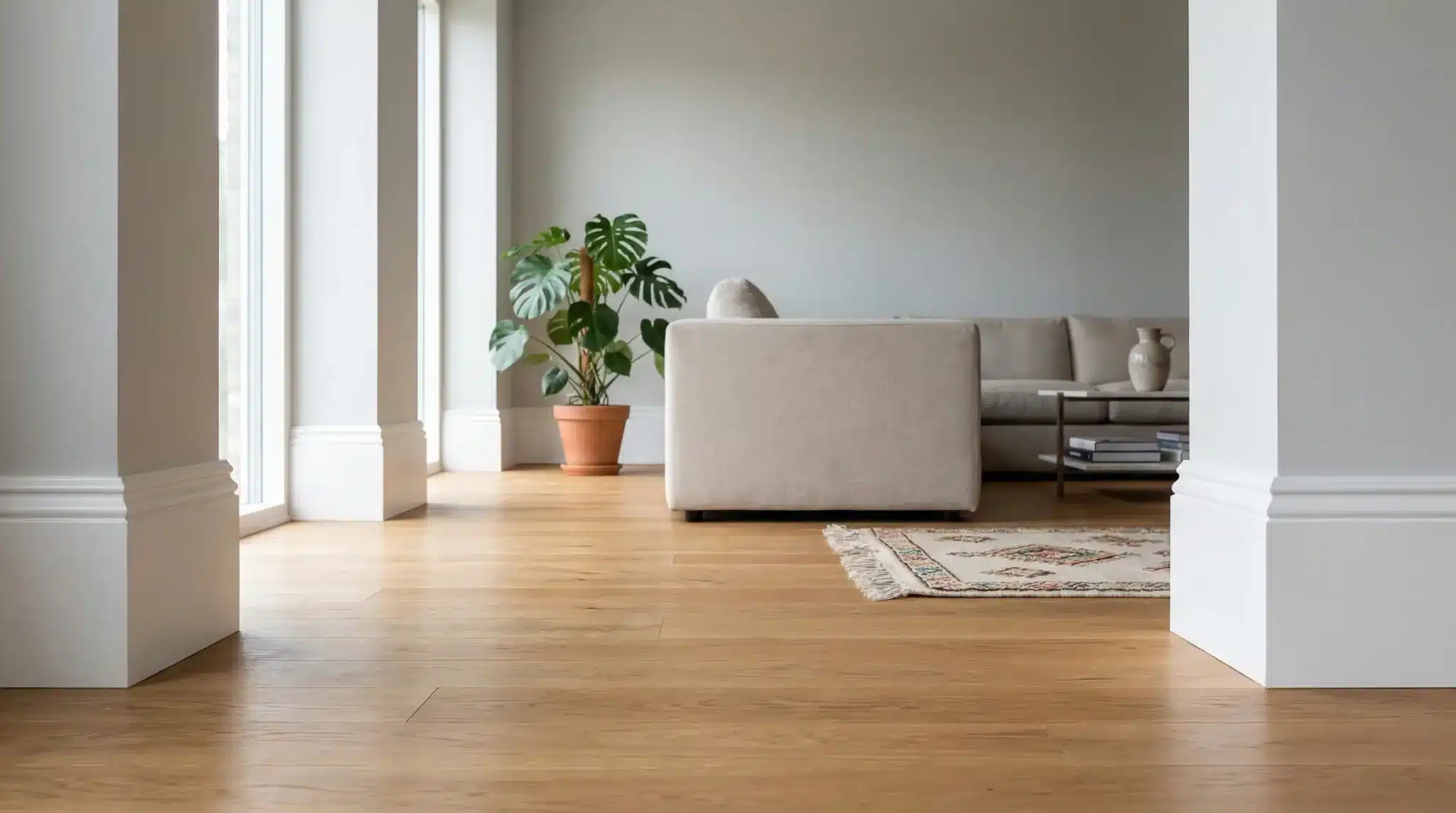
Skirting boards are available in a wide range of profiles, heights, and finishes, making them an excellent tool for reinforcing a living room’s design style. Sleek, low-profile designs are often used in modern interiors where simplicity and minimalism are key. In contrast, taller or more detailed profiles can add depth and architectural interest to larger living spaces.
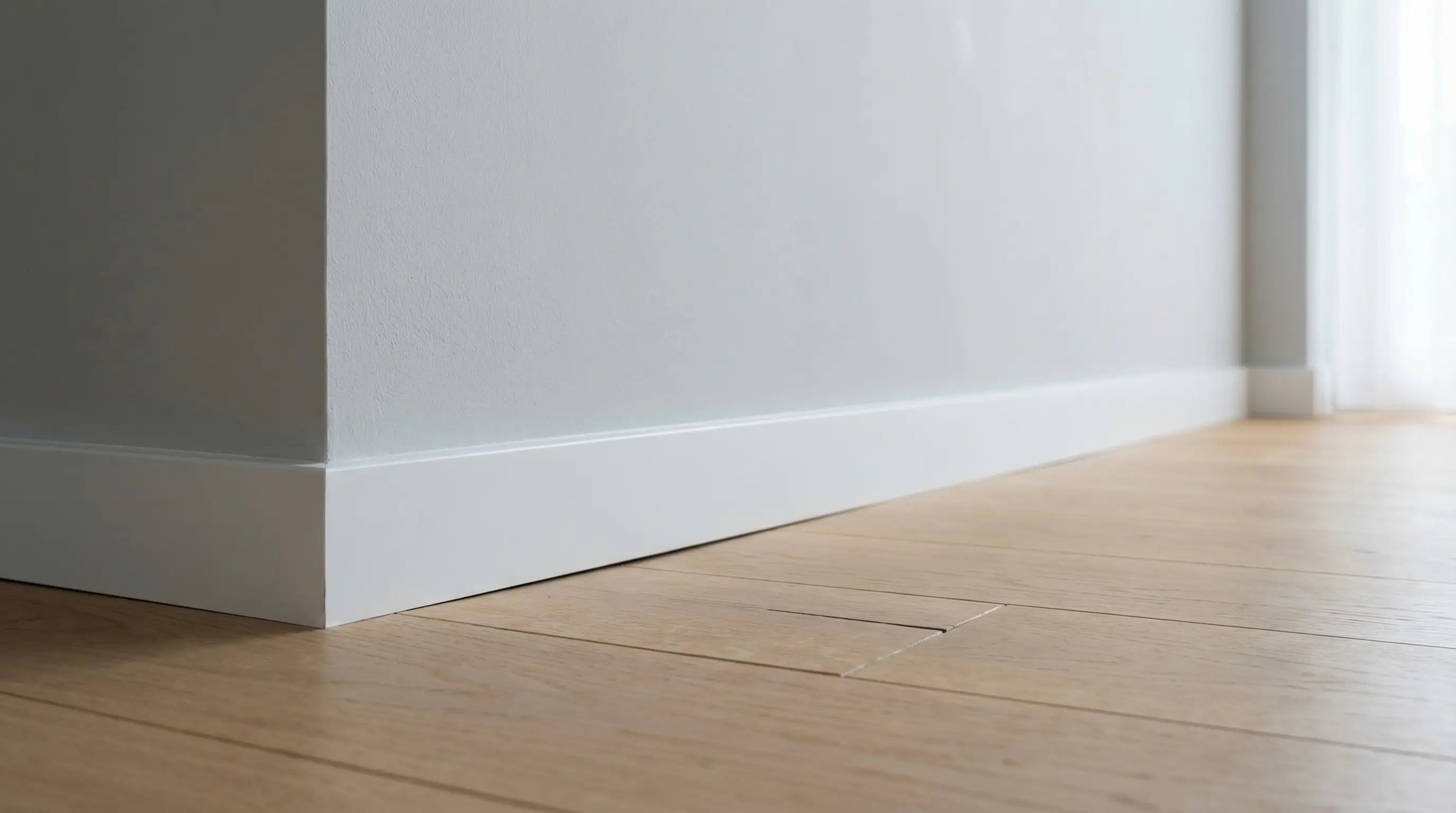
When selected thoughtfully, skirting boards can complement other design elements, such as wall paneling, flooring, and even door frames. For example, pairing simple skirting with wide plank wooden floors can enhance the natural warmth of a contemporary living room while maintaining a refined appearance.
Protecting Walls While Maintaining Style
Beyond their visual appeal, skirting boards also serve a practical purpose. Living rooms are high-traffic areas where furniture, vacuum cleaners, and everyday movement can easily damage the lower portion of walls.
By acting as a protective barrier, skirting boards help prevent scuffs, dents, and marks from appearing on painted surfaces or wallpaper. This protective feature allows homeowners to maintain the aesthetic quality of their living room for longer periods without frequent repairs or repainting.
Creating Visual Balance in Modern Spaces
“In interior design, proportion plays a key role in how a room feels. Skirting boards help create visual balance by anchoring the walls and framing the floor area. Their height and design can influence how spacious or structured a room appears,” says Gerrid Smith, Founder of Fortress Growth
For example, taller skirting boards can add elegance and structure to rooms with higher ceilings. At the same time, slimmer, subtler designs work well in smaller living rooms where a lighter visual footprint is preferred. When carefully chosen, these architectural details quietly support the room’s overall harmony.
A Small Detail With a Big Impact
Modern living rooms often rely on subtle design choices that work together to create a refined environment. While they may seem minor, skirting boards play a crucial role in finishing the space, protecting walls, and reinforcing the overall design style.
By selecting the right materials, profiles, and proportions, homeowners can transform what might otherwise be an overlooked detail into a feature that enhances both the practicality and beauty of their living room. In the world of interior design, it is often these small architectural touches that make the biggest difference.