How Senior Communities Encourage Lifelong Learning

Lifelong learning offers older adults fresh purpose, social connection, and mental stimulation. Many communities design programs that invite curiosity and gentle challenge, making education a regular part of daily life. Instead of formal pressure, these settings use inviting classes, peer teaching, and flexible formats so residents feel comfortable trying new topics. The goal is steady growth that fits individual pace and interest while strengthening friendships and daily routines.
Active Programs
Communities create varied class schedules that fit different interests and energy levels. One weekly offering includes guest lectures and small workshops where members explore art, history, or practical skills. Staff and volunteers coordinate sessions that encourage participation without stress, and peer mentors lead many activities. Residents at san antonio independent living can often share their knowledge, creating a cycle of teaching and learning.
Social Learning
A short overview explains why group settings help knowledge stick and how social ties boost motivation.
• Group classes combine hands on practice with friendly discussion to reinforce learned ideas.
• Peer study groups meet regularly and share insights while building lasting friendships.
• Informal coffee chats after sessions allow members to reflect and form new plans.
• Small project teams encourage accountability and joyful teamwork among participants.
Technology Access
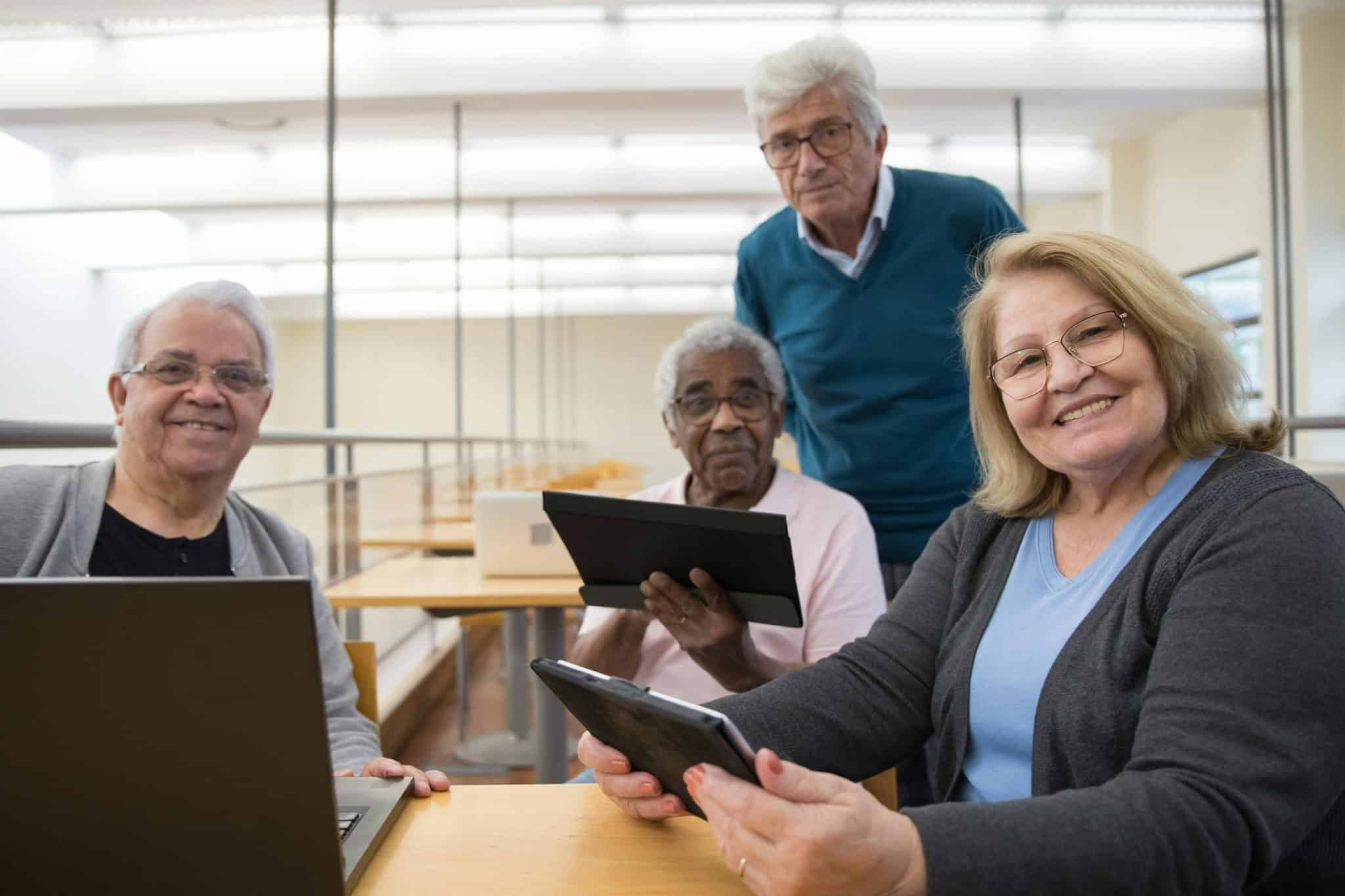
Offering simple tools and patient instruction removes barriers to modern learning. Staff provide basic device training, printed guides, and one on one help so residents can follow online lectures or use learning apps. Classes start with easy tasks and build confidence so technology becomes a bridge, not a barrier. Once comfortable, learners access a wider range of topics and stay connected with family and peers.
Creative Workshops
A brief overview highlights how hands on creativity supports memory and well being.
• Art sessions focus on exploration rather than perfection to spark new ideas.
• Music groups invite singing or rhythm play to improve mood and cognitive health.
• Writing circles help residents tell stories and preserve personal history for families.
• Maker activities use simple materials for playful problem solving and fine motor skill practice.
Health Education
A short overview explains how learning about wellness supports independence and informed choices.
• Practical talks explain safe movement ideas to reduce fall risk and boost mobility.
• Nutrition information sessions focus on balanced choices and easy meal planning tips.
• Stress management classes teach breathing and simple relaxation techniques for daily use.
• Memory workshops introduce helpful routines and enjoyable cognitive exercises to practice.
Learning Future
Programs are regularly reviewed and adjusted based on feedback and attendance patterns. Staff survey participants, track interests, and introduce new topics that match current curiosity. Funding for supplies and occasional external experts keeps offerings fresh. By creating flexible options and listening to members, communities build a learning culture that adapts and grows.
Community Outcomes
Lifelong learning leads to stronger social bonds and a renewed sense of purpose. When education is accessible, residents report higher satisfaction and feel more connected to community life. Programs that combine social activities, technology access, teaching roles, and intergenerational events create a balanced approach that serves many needs. Thoughtful coordination ensures classes remain inclusive and welcoming for everyone.
Growth Path
Communities that invest in varied learning experiences help residents remain engaged and confident. Regular evaluation, resident involvement in planning, and accessible resources create a sustainable model. Program diversity means everyone can find an activity that sparks interest and supports well being. When learning becomes woven into daily life, members keep growing and contributing.
Lifelong Gains
Thoughtful educational opportunities support independence, mental agility, and social connection. Thoughtful communities like san antonio independent living often list resources linked to for those seeking further details. A well planned approach combines group learning, practical workshops, gentle technology training, and chances to teach others. These elements together help older adults maintain purpose and continue personal development well into later years.