

How Preventative Pest Inspections Reduce Long-Term Damage in Calgary Homes

Routine examinations of your property can uncover unwelcome guests before they compromise structural integrity or indoor air quality. By identifying vulnerabilities and minor activity early, homeowners avoid expensive repairs that often accompany established colonies.
These proactive checks typically take under an hour but may prevent thousands in future restoration costs, preserve property value, and maintain a healthier living environment for families. The modest investment in regular monitoring pays dividends through peace of mind and protected assets.
Introduction
You return from vacation to find faint scratching inside your walls – not the settling creaks you’ve grown accustomed to, but something more persistent. Weeks later, a contractor investigating a damp basement corner discovers extensive tunneling behind the drywall.
What began as a single unnoticed entry point has quietly escalated into a remediation project costing five figures. This scenario unfolds in thousands of Canadian households annually, often because warning signs were missed during routine maintenance windows.
Many homeowners assume pests announce their presence loudly, but the reality is subtler. Professional evaluation makes the invisible visible, whether you’re working with established providers like Absolute Pest Control services or building your own seasonal monitoring routine. These experts know precisely where to look: behind downspouts, within attic insulation, beneath deck supports – places most residents rarely inspect themselves.
Understanding how small interventions create outsized protection changes your relationship with home maintenance entirely. This article breaks down exactly what inspectors examine, which seasonal patterns matter most in our climate, and how to interpret subtle clues before they transform into major headaches. You’ll finish with actionable knowledge – not alarmism – to safeguard your largest investment intelligently.
How Preventative Inspections Uncover What You Can’t See
Most homeowners only call for help when they spot a mouse darting across the kitchen floor or find sawdust beneath a windowsill. By then, the problem has already taken root. True prevention operates on a different timeline – catching issues while they’re still manageable, often before residents notice anything amiss.
What Inspectors Actually Examine
A thorough walkthrough goes far beyond glancing under the sink. Trained eyes assess vulnerability points most residents overlook:
- Moisture accumulation zones: Dripping eaves, basement wall condensation, and poorly ventilated crawl spaces attract carpenter ants and silverfish
- Exterior entry pathways: Cracks wider than 1/16 inch around foundations, utility line penetrations, and deteriorating weatherstripping
- Insulation integrity: Disturbed or compressed batts in attics often signal rodent nesting activity
- Wood-to-soil contact: Deck posts, fence lines, and landscape timbers resting directly on earth create termite highways
The Silent Progression of Structural Compromise
Pests rarely announce their arrival with dramatic fanfare. Instead, damage accumulates incrementally over seasons:
|
Timeline |
Typical Activity |
Visible Evidence |
|---|---|---|
|
0–3 months |
Initial colonization; scouts establish pathways |
Non-detectable without tools |
|
4–12 months |
Colony expansion; nesting materials gathered |
Faint scratching sounds, occasional droppings |
|
1–2 years |
Structural feeding begins; tunnels form in wood |
Soft spots in flooring, blistered paint on baseboards |
|
2+ years |
Significant compromise; secondary issues emerge |
Sagging drywall, persistent musty odors, visible swarmers |
This progression explains why preventative pest inspections deliver disproportionate value – they intervene during that critical first window when remediation requires minimal intervention.
Tools That Reveal the Invisible
Modern inspections leverage technology beyond flashlights and ladders:
- Moisture meters identify damp zones before mold or rot appears
- Borescopes peer inside wall cavities without demolition
- Thermal imaging detects heat signatures from active nests behind surfaces
- Acoustic monitors pick up subtle chewing or movement in quiet environments
Your Seasonal Prevention Roadmap
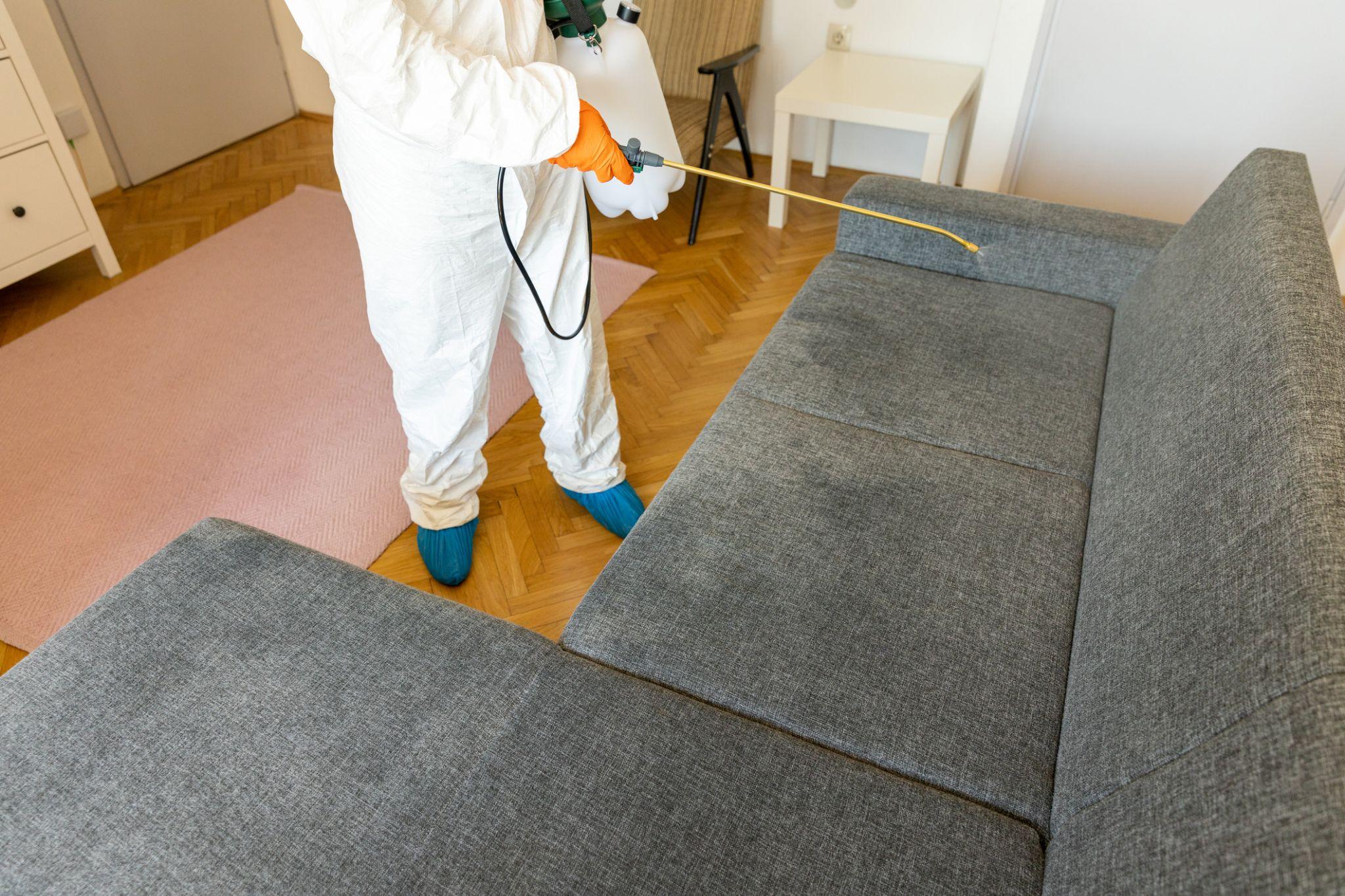
Understanding inspection value is one thing – translating that knowledge into consistent action is another. Canadian homes face shifting pest pressures throughout the year, and aligning your vigilance with these patterns makes prevention far more effective than random check-ins.
Recognizing Subtle Warning Indicators
Many residents dismiss faint clues until they escalate. Learning to interpret these signals transforms you from reactive to proactive:
- Faint rustling after sunset in wall voids often precedes visible rodent activity by weeks
- Piles of fine, flour-like dust near baseboards may indicate powderpost beetle activity in hardwood floors
- Mud tubes along foundation walls (even pencil-thin) suggest subterranean termite exploration
- Irregular wood shavings mixed with insect parts beneath decks point to carpenter ant galleries
These early infestation signs rarely appear in isolation – they cluster near moisture sources or thermal bridges where pests seek shelter. Documenting their location and timing helps professionals pinpoint entry routes during formal evaluations.
Conducting a DIY Home Pest Risk Assessment
Between professional visits, a quarterly self-audit takes 20 minutes and builds valuable awareness. Focus on these high-yield zones:
|
Season |
Priority Areas to Check |
What to Look For |
|---|---|---|
|
Spring |
Roof eaves, soffits, attic vents |
Chewed insulation, bird mite activity near nests |
|
Summer |
Deck undersides, garden sheds, AC lines |
Carpenter ant frass, wasp nest beginnings |
|
Fall |
Garage door seals, basement window wells |
Cluster flies gathering near warm surfaces |
|
Winter |
Interior wall corners, pantry shelves |
Gnaw marks on dry goods packaging, mouse droppings |
This routine builds familiarity with your property’s baseline condition. When something changes – a new gap beside the furnace vent, unexpected soil mounding near the foundation – you’ll notice immediately rather than months later when hidden pest damage has advanced significantly.
Regional Considerations for Northern Climates
While pest biology follows universal patterns, local species dictate specific vulnerabilities. In Alberta and similar regions, understanding Calgary residential pests like carpenter ants (which thrive in our dry climate but seek moisture indoors) versus moisture-dependent species elsewhere helps prioritize inspections. Unlike southern jurisdictions battling subterranean termites year-round, our colder winters create distinct seasonal pressure points – particularly during fall swarming events when insects seek overwintering sites inside structures.
A thoughtful home pest risk assessment accounts for these regional nuances rather than applying generic checklists. It considers your property’s age, proximity to green spaces, and moisture management systems – factors that collectively determine vulnerability far more than geographic location alone.
By layering seasonal awareness with targeted observation, you shift from hoping problems stay away to confidently managing your home’s defensive perimeter. This mindset doesn’t eliminate the need for expert evaluation – it makes those professional visits more productive and cost-effective when they occur.
Making Prevention Part of Your Home’s Rhythm
Protecting your home from unwelcome guests isn’t about perfection – it’s about consistency. The families who avoid costly remediation projects rarely possess special knowledge; they simply build small, regular checks into their annual maintenance rhythm. Think of it like changing your furnace filter or testing smoke alarms: brief actions that compound into significant protection over time.
The real value emerges not in dramatic interventions, but in quiet confidence. Knowing your foundation perimeter stays sealed through winter thaw cycles. Recognizing that a quick flashlight scan of the garage corners each spring catches potential issues while they’re still measured in hours of work – not thousands of dollars. This mindset transforms pest management from a crisis response into a seamless thread within responsible homeownership.
Your home’s resilience grows through attention to detail others overlook. That slightly damp corner in the crawlspace? Worth addressing before it becomes attractive. The hairline crack beside the utility entrance? Simple caulk now prevents months of quiet activity later. These micro-decisions accumulate into structural integrity and indoor air quality that serve your family for decades.
Start small this season: spend fifteen minutes walking your property’s perimeter after the next rainfall. Notice where water pools near foundations. Check that downspouts direct flow away from siding. These observations cost nothing but build awareness that pays dividends for years. Prevention isn’t a single event – it’s the quiet habit of caring for your home before problems announce themselves. And that habit, more than any product or service, becomes your most reliable defense.
Final Thoughts: Prevention as Peace of Mind
A home’s strongest defense isn’t found in reactive treatments or emergency calls – it lives in the quiet confidence that comes from knowing what’s happening within your walls before problems announce themselves. The families who sidestep five-figure remediation bills rarely possess special expertise; they simply respect the rhythm of seasonal maintenance and understand that small attentiveness compounds into lasting protection.