
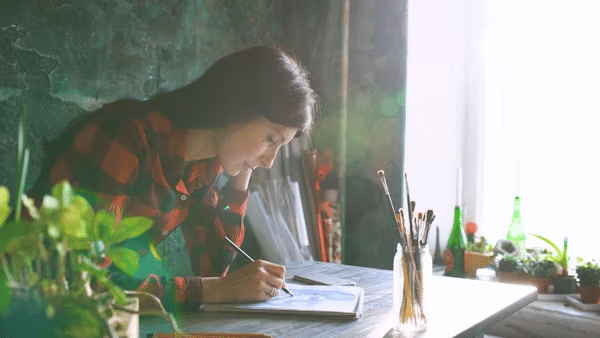
Helping Your Child Actually Thrive During the Middle School Years

Nobody warns you quite enough about middle school.
You brace yourself for the teenage years, read all the parenting books about toddler tantrums, and then suddenly you have an eleven-year-old who barely speaks to you at dinner and has opinions about everything. Middle school hits differently. For kids and parents alike.
The good news is that this stage, as chaotic as it feels, is also genuinely full of possibility. These are the years when kids start figuring out who they are. When the right environment, the right support, and a little parental patience can make an enormous difference to how they carry themselves for the rest of their lives.
The key is knowing what your child actually needs, and being willing to think creatively about how to provide it.
Why Middle School Feels So Hard
There is a reason this age group has its own reputation.
Somewhere between ages ten and fourteen, children are navigating one of the most significant developmental shifts of their lives. Their brains are literally rewiring. Their social world becomes enormously important, sometimes more important than anything happening at home or in the classroom. Their sense of identity is forming in real time, and it is fragile in ways they would never admit.
Academically, the jump from primary school to middle school catches a lot of kids off guard. Subjects get harder. There are more teachers to manage relationships with. The expectation of independent organisation kicks in, often before kids have the tools to handle it.
Emotionally, the pressure can be relentless. Friendships shift. Social hierarchies form. The fear of standing out in the wrong way can become paralysing.
For most kids, this all eventually smooths out. But for many, the middle school environment itself becomes part of the problem rather than part of the solution.
That is worth paying attention to.
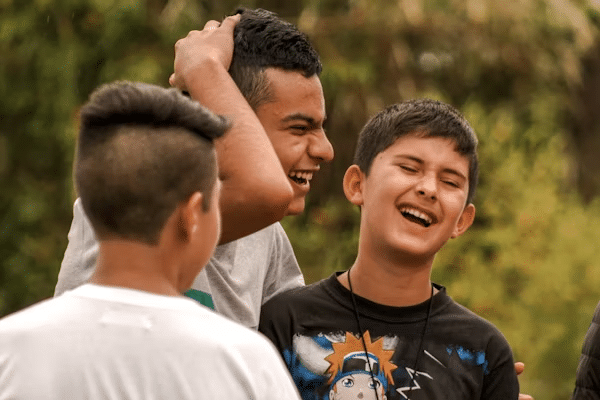
Rethinking What a Supportive Environment Looks Like
One of the biggest shifts in how families approach this stage is the growing willingness to question whether the traditional school setup is the right fit for every child.
That is not a criticism of schools. Many do extraordinary work. But the reality is that a classroom of thirty students, built around a fixed schedule and a standardized curriculum, works beautifully for some kids and quietly fails others.
Some children are social learners who thrive in group environments. Others do their best thinking alone, at their own pace, without the social noise of a full classroom. Some kids are academically ahead in certain subjects and behind in others, and a rigid structure serves neither need particularly well.
This is exactly why so many parents have started exploring online middle schools as a serious option rather than a last resort. The flexibility, the ability to work at a pace that suits the individual student, and the removal of certain social pressures can be genuinely transformative for the right child.
It is worth doing your research and having an honest conversation with your child about what kind of environment helps them learn best. The answer might surprise you.
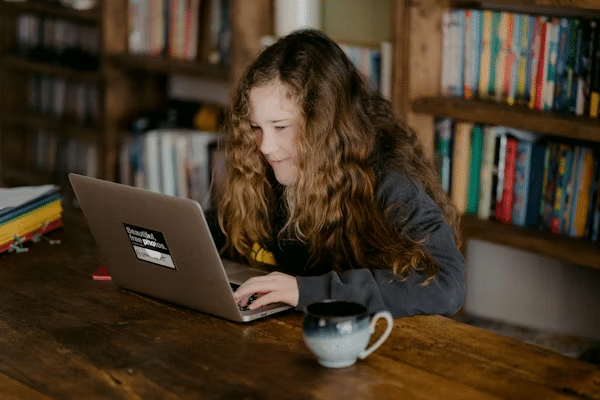
Building Confidence Outside the Classroom
Whatever schooling path you choose, one thing matters above almost everything else during these years: helping your child build a sense of genuine competence.
Middle schoolers need to feel good about something. Not in a participation-trophy way, but in a real, earned, “I worked hard at this and it shows” way. That feeling of mastery is what builds the kind of confidence that actually holds up under pressure.
It does not need to come from academics. For some kids it comes from sport, music, art, cooking, coding, or building things with their hands. The subject almost does not matter. What matters is that they are stretching themselves in something they care about, and seeing real progress over time.
As parents, our job in these moments is mostly to stay out of the way while still staying present. Offer the resources. Show up to the recitals and the games. Resist the urge to solve every problem for them. Let them feel the discomfort of struggling with something difficult, and then the genuine satisfaction of getting better at it.
That process, repeated across many small things over these years, is how resilient teenagers are made.
The Social Side: What Kids Actually Need
Social life in middle school can feel like a full-time job, and for kids it basically is.
The instinct is to help them navigate every friendship drama, smooth over every conflict, and make sure they are never left out. Understandable. But not always helpful.
What kids this age actually benefit from is a parent who listens without immediately jumping to fix things. Who asks good questions rather than offering ready-made answers. Who helps them think through how they handled a situation and what they might do differently, without turning it into a lecture.
Connection at home matters enormously here. Kids who feel genuinely seen and heard by their parents, even when they act like they want nothing to do with them, are far more likely to come to you when something serious is wrong.
Keep the dinner table conversations going even when they feel one-sided. Stay interested in the things they care about even when those things make no sense to you. Show up consistently and without judgment.
That consistency is the thing that carries them through.

Practical Habits That Actually Help
Beyond the bigger picture questions of environment and connection, there are some practical things that make a noticeable difference during the middle school years.
Sleep is non-negotiable. This age group needs more of it than most parents realise, and chronic sleep deprivation looks a lot like attitude problems, poor focus, and emotional dysregulation. Protecting sleep is one of the highest-return things you can do.
Physical activity matters too. Not in a scheduled, structured way if that is not your child’s thing, but in some form every day. Movement genuinely regulates mood and supports the kind of focus that makes academic work easier.
Downtime is underrated. Kids this age are often overscheduled, bounced between activities, tutoring sessions, and social commitments with barely a moment to just exist. Unstructured time, where they can be bored, daydream, or pursue something for no reason other than enjoyment, is genuinely important for development.
And screens deserve a real conversation rather than a blanket rule. The question is not whether your child uses technology but how, and whether it is leaving them feeling better or worse. That conversation is worth having openly and regularly, not just once.
When to Take a Closer Look
Most middle school struggles are normal, temporary, and resolved with time and support.
But some are not.
Persistent withdrawal, a sudden drop in academic performance, ongoing anxiety about school, or a child who seems to have lost interest in everything they used to enjoy: these are signs worth taking seriously.
Talking to a school counsellor is a good starting point. So is having an honest conversation with your child’s teachers about what they are observing in the classroom. And if your child is consistently telling you that something about their current environment is not working for them, it is worth listening to.
Sometimes the most powerful thing a parent can do is take their child seriously when they say they are struggling, and be willing to look at alternatives without treating it as failure.
There are more options available now than ever before. Traditional school, hybrid models, home education, and structured online programmes all have their place. The right fit is the one that lets your individual child actually grow.
For families thinking through these choices alongside the broader rhythms of raising kids well, there is a lot of thoughtful reading available on family life and parenting through the tween years that is worth exploring.
The Bigger Picture
Middle school is not just something to survive.
Done with intention, it is the stage where kids develop the self-awareness, the resilience, and the early sense of identity that will carry them through everything that comes next. The awkwardness is real. The drama is real. But so is the growth.
Your child does not need a perfect environment. They need one that is honest, safe, and genuinely supportive of who they are, not just who you hope they will become.
Keep showing up. Keep the lines open. And trust the process more than the panic.
The middle school years pass faster than they feel like they will. What you build with your child during this time stays with them long after the drama has faded.