Everything You Need to Know About Pond Liners: A Complete Guide for Property Owners

Creating a beautiful water feature or functional pond requires more than just digging a hole and adding water. The secret to a successful, long-lasting pond lies beneath the surface in the form of quality pond liners.
What Are Pond Liners and Why Do They Matter?
Pond liners are impermeable membranes installed at the bottom and sides of ponds to prevent water loss. Without proper lining, water seeps into the surrounding soil, leaving you with a muddy depression rather than a thriving aquatic environment.
Natural clay-bottom ponds exist in some locations, but most soil types cannot retain water effectively. Installing a liner creates an artificial barrier that keeps water where you want it reliably.
The right liner transforms any location into a potential pond site regardless of soil conditions. This flexibility opens possibilities for water features in areas previously considered unsuitable.
Types of Pond Liners Available
Several materials serve as pond liners, each offering distinct advantages for different applications. Understanding these options helps you select the best solution for your specific project needs.
EPDM rubber liners remain a popular choice for decorative and fish ponds universally. This synthetic rubber offers excellent flexibility, durability, and fish-safe properties for aquatic environments.
PVC liners provide economical options for budget-conscious projects and temporary installations. While less durable than rubber alternatives, PVC works well for smaller decorative ponds.
HDPE (high-density polyethylene) liners excel in commercial and agricultural applications requiring maximum durability. These rigid liners resist punctures and chemical exposure better than flexible alternatives.
RPE (reinforced polyethylene) combines flexibility with exceptional strength and puncture resistance effectively. This material offers an excellent balance between workability and long-term performance.
Quality pond liners from reputable manufacturers ensure your investment provides decades of reliable service. Choosing appropriate materials from the start prevents costly failures and replacements later.
Applications for Pond Liners
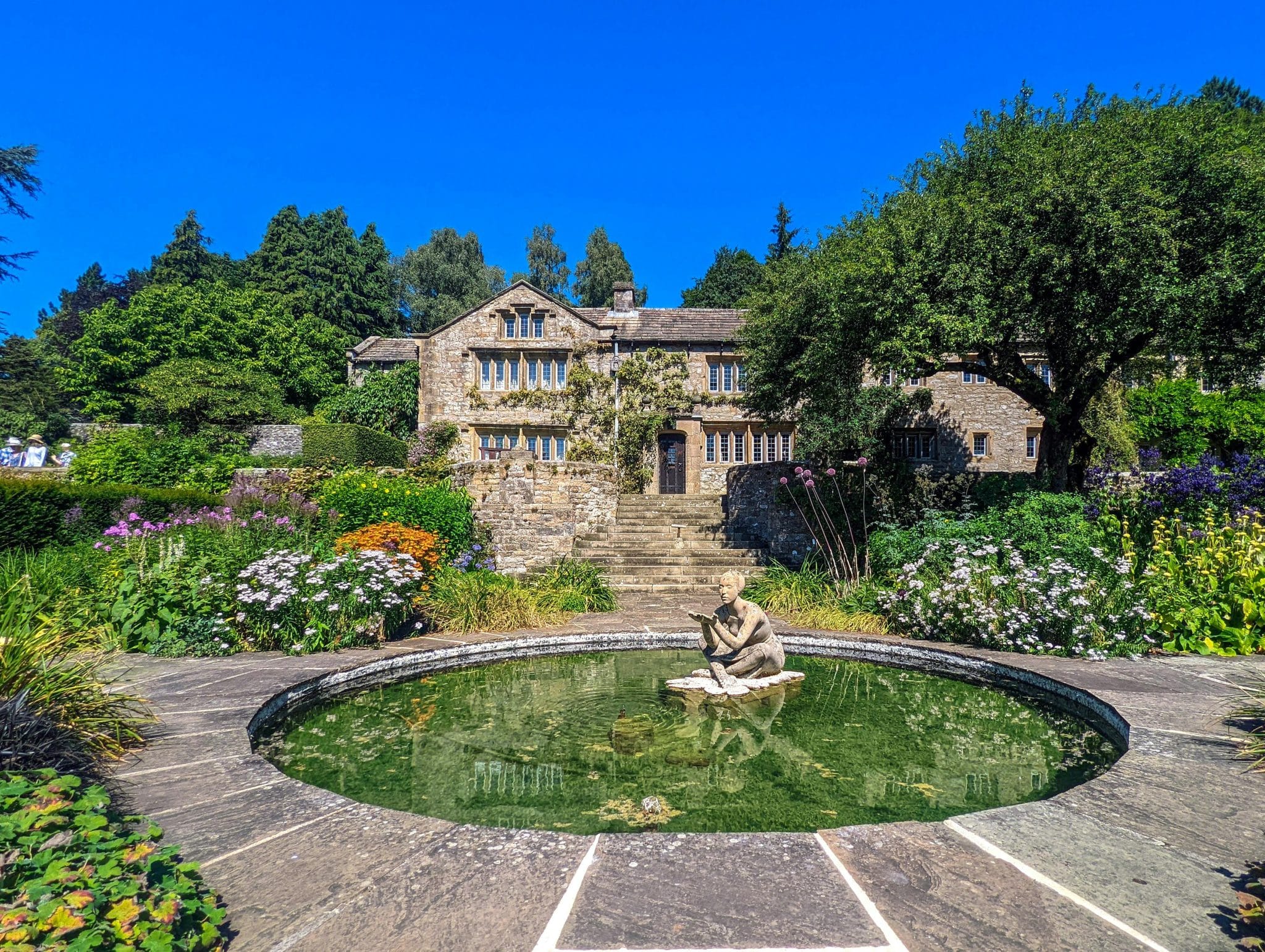
Decorative garden ponds represent the most common residential liner application today. These water features add beauty, tranquillity, and wildlife habitat to backyard landscapes.
Koi ponds require premium liners that won’t leach harmful chemicals into the water. Fish health depends on water quality maintained by appropriate, non-toxic liner materials.
Farm ponds for livestock watering benefit from durable liners preventing water loss in porous soils. Reliable water sources prove essential for agricultural operations in dry climates.
Irrigation reservoirs store water for crop production during dry periods efficiently. Lined reservoirs prevent seepage losses that would otherwise waste precious water resources.
Aquaculture operations raise fish commercially in lined ponds with controlled environments. These production systems depend on reliable containment for profitable operations.
Stormwater detention basins manage runoff in developed areas using lined containment systems. Proper lining prevents groundwater contamination while controlling water flow effectively.
Golf courses use lined ponds for irrigation reservoirs and decorative water hazards. These high-visibility applications demand attractive, reliable liner installations.
Factors to Consider When Choosing Pond Liners
Pond size significantly influences material selection and installation complexity considerably. Larger ponds may require seamed panels, while smaller features use single sheets.
Intended use determines which liner materials prove appropriate for your application. Fish ponds, swimming ponds, and agricultural reservoirs each have different requirements.
Climate conditions affect liner performance and longevity substantially over time. UV exposure, freeze-thaw cycles, and temperature extremes stress different materials differently.
Budget constraints realistically limit available options for many pond projects, unfortunately. However, the cheapest options often prove most expensive through premature failure and replacement.
Expected lifespan should match your long-term plans for the water feature appropriately. Permanent landscape ponds justify premium materials that temporary features don’t require.
Ground conditions, including rocks, roots, and sharp objects, influence underlayment requirements. Protective layers beneath liners prevent punctures from subsurface hazards effectively.
Calculating Liner Size Requirements
Proper sizing prevents costly mistakes during pond construction projects consistently. Undersized liners cannot be stretched, requiring expensive replacement before completion.
Calculate linear dimensions by adding twice the maximum depth to both length and width measurements. Include additional footage for edge anchoring and securing purposes.
Irregular shapes require careful measurement at multiple points across the excavation. Creating paper templates helps visualise coverage for complex pond designs.
Allow extra material for folds and pleats that accommodate curves and corners naturally. Flexible liners conform to excavation shapes when installed with adequate slack.
Installation Best Practices
Site preparation determines installation success more than any other single factor. Remove all sharp objects, roots, and rocks from the excavation before liner placement.
Underlayment fabrics protect liners from punctures caused by subsurface objects below. Geotextile materials cushion liners while allowing ground moisture to dissipate safely.
Smooth all surfaces and compact loose soil before installing protective layers carefully. Wrinkles and voids beneath liners create stress points that may eventually.
Install liners during warm weather when materials remain flexible and workable easily. Cold temperatures make some liner materials stiff and difficult to manipulate properly.
Unfold liners carefully without dragging across rough surfaces that might cause damage. Position material with adequate overlap at all edges before filling with water.
Allow liners to settle naturally as water weight presses material into excavation contours. Premature trimming before settling may leave insufficient material at the edges.
Protecting Your Liner Investment
Edge protection prevents liner damage from foot traffic, lawn equipment, and UV exposure. Buried edges covered with stone or soil last longer than exposed materials.
Rocks and gravel placed inside ponds should have rounded edges, preventing liner punctures. Sharp limestone and broken concrete damage liners over time through abrasion.
Aquatic plants in containers rather than soil prevent root penetration through liner materials. Some aggressive plant species can compromise liner integrity through root growth.
Regular inspection identifies developing problems before they cause complete liner failure. Small punctures and tears are repairable when detected early enough.
Repairing Damaged Pond Liners
Minor punctures and tears don’t necessarily require complete liner replacement, fortunately. Patch kits designed for specific liner materials enable effective repairs.
Clean and dry damaged areas thoroughly before applying patches or sealants carefully. Contamination prevents proper adhesion and causes repair failure eventually.
Underwater repair products allow fixes without draining ponds and stressing aquatic life. These specialised materials cure properly even when submerged in water.
Large damage or deteriorated liners eventually require replacement rather than continued patching. Knowing when repairs become impractical saves money on futile attempts.
Environmental Considerations
Modern pond liners are increasingly manufactured with environmental responsibility in mind. Many products contain recycled content and are themselves recyclable after their service life.
Properly installed liners prevent groundwater contamination from pond contents effectively. This containment protects surrounding ecosystems from introduced species and nutrients.
Lined ponds create valuable wildlife habitat in landscapes otherwise lacking water features. Birds, amphibians, and beneficial insects benefit from properly designed water features.
Water conservation through reduced seepage makes lined ponds environmentally responsible choices. Every gallon retained serves its intended purpose rather than disappearing underground.
The True Value of Quality Liners
Premium pond liners cost more initially but prove economical over extended timeframes. Cheap liners requiring replacement every few years ultimately cost more than quality alternatives.
Professional installation ensures proper techniques maximise liner lifespan and performance consistently. Experienced installers avoid common mistakes that compromise liner integrity.
Warranties from reputable manufacturers protect against material defects confidently. These guarantees demonstrate the manufacturer’s confidence in product quality.
Conclusion: Building Ponds That Last
Successful pond projects begin with appropriate liner selection and proper installation techniques. Cutting corners on this critical component guarantees disappointment and expense later.
Research your options thoroughly before committing to specific materials or suppliers carefully. Understanding available products enables informed decisions matching your specific needs.
Invest in quality materials from reputable sources for the best long-term results consistently. Your pond liner works invisibly to maintain the beautiful water feature you envision.
Whether building a backyard koi pond or a commercial aquaculture facility, liner quality matters enormously. Make this foundational decision wisely, and enjoy your water feature for decades ahead.
The perfect pond starts with the right liner beneath its sparkling surface. Take time to choose well, install properly, and maintain diligently for lasting success.