Essential Questions to Ask Before Buying Property with Acreage

Acquiring property with significant acreage is one of the most thrilling investments one can make as a homeowner. Whether you have your sights set on claiming a serene retreat to escape to, beginning a hobby farm to pursue your passion projects or developing an equestrian estate, having significant acreage offers incredible potential.
However, you must understand that real estate investment is rarely straightforward, and the stakes just become much higher when buying or selling property having substantial acreage. Here are a couple of questions to ask before you sign on the dotted line.
What Are the Zoning Laws on Your Desired Property?
You may wonder what you can or can’t do on your property, and that’s when you have to learn about zoning regulations. The last thing you want is to purchase acreage with grand plans only to realize that its intended use isn’t allowed under local zoning laws.
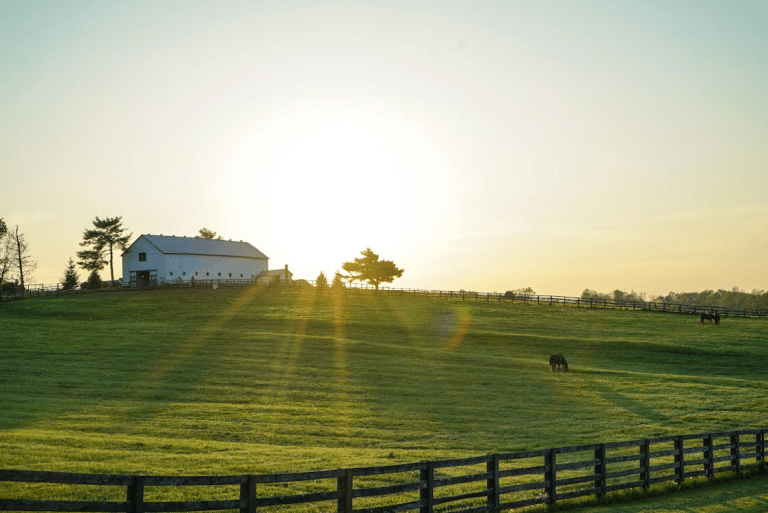
When it comes to equestrian properties or farms for sale, or any sort of special use, zoning becomes even more important. For instance, many people interested in farms for sale in Ocala FL, often don’t realize that though Ocala is known as “The Horse Capital of the World”, not all parcels of land carry the same kind of zoning designations.
It means you might face trouble using your property for boarding facilities, training centers, or agricultural activities. Similarly, Marion County near Ocala offers several different zoning categories for equestrian or agricultural use, but not all parcels have the same permissions.
Not being aware of zoning laws may result in dire economic and legal ramifications for your business or even your whole family. You may have recently bought land to use for farming or boarding animals only to realize that commercial farming is not allowed for your land. It means you may violate local codes if you create pastures, build additional structures or even install irrigation systems on your land. It’s vital to be proactive and here’s what to keep in mind:
- Ask for a full zoning report regarding the classification of the property from your real estate agent.
- Connect directly with your county planning and zoning department to talk about your intended use.
- Request information about any conditional use permits needed for activities not automatically allowed but potentially allowed with special conditions.
- Hire a real estate attorney knowledgeable about agricultural and acreage land to analyze all documentation related to zoning before buying.
- Gather information on development schemes in neighboring areas that may influence your use of the property.
- Get written confirmation from local authorities regarding what’s permissible on your property.
- Investigate any homeowners associations or conservation easements that may further limit use beyond basic zoning.
Can You Handle the Ongoing Maintenance and Management Cost?
Acreage ownership is a completely different experience from maintaining a standard residential lot. While a standard home may require normal yard maintenance tasks such as mowing the grass and periodic landscaping activities, an acreage property requires serious infrastructure maintenance and operational activities. Many buyers who are anxious to own acreage become overwhelmed by the actual cost of ownership and fail to maintain it over the long run.
You must consider equipment investments, professional services, property taxes, and pasture maintenance, and before you even realize your bottom line changes considerably. When talking about putting new structures on your acreage whether it’s using new farmhouse designs to match your rural setting or fixing up what’s already on your property, you might end up spending a lot more than you even imagine. Here’s what you should do when deciding on the overall cost of owning a property with acreage:
- Request for detailed information on annual maintenance cost estimates from property managers or property owners within the region.
- Calculate all property-related taxes, including agricultural property assessments and special district fees.
- Get quotes for any professional services you’ll need, like fencing, road maintenance, tree service, and repairs to equipment.
- Calculate the cost of any equipment needed for your business, such as mowers, tractors, and other machinery.
- Build a sinking fund for unforeseen expenses such as repairs to wells, fencing, or drainage systems.
- Look for any exemptions for agricultural use to help lower the property tax burden.
- Plan for your seasonal maintenance needs, especially if your land features equestrian or agricultural elements.
Endnote
The purchase of property involving acreage is no small investment, but answering these key questions before making your purchase empowers you to make this investment work. Taking the time to responsibly research information regarding zoning laws and actual maintenance requirements is truly what sets a prospective homebuyer apart as a wise investor.
Remember no matter what your motivation for buying or selling property may be, making informed decisions is key to ensuring your success as an investor.