Do Indoor Plants Attract Ants and How to Fix It

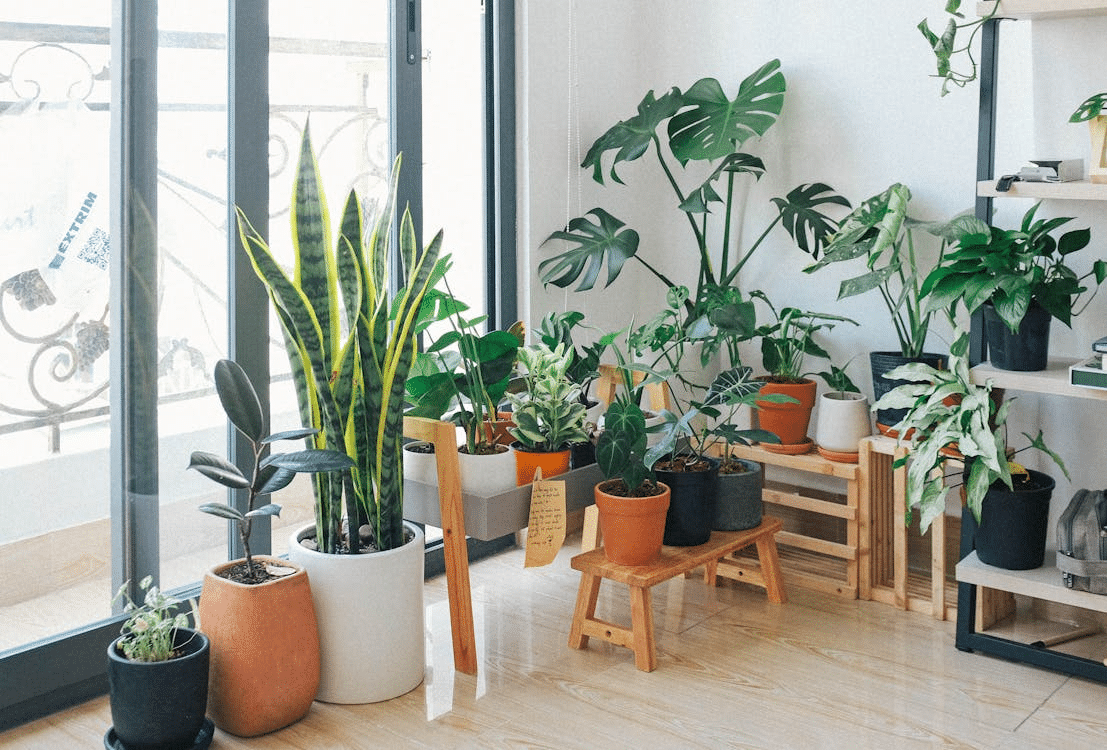
Yes, the ferns and spider plants that add a touch of inviting greenery to your home can also be a magnet for ants. But you don’t have to toss your favorite houseplants to keep the pests away.
Thankfully, you can make some small changes to your plant care approach that can prevent ants from taking up residence on your windowsills and countertops. Stay with us as we explore strategies to avoid ants with indoor plants.
Understand the Appeal of Indoor Plants
While the verdant color and textures might be what make you buy indoor plants in the first place, the visual qualities of plants are not what attract the ants. Ants and other pests are attracted to moisture, honeydew, or other sugary debris that may be nearby.
If you’re too diligent about watering your plants, you’ll create a lot of moisture that appeals to ants. And with too much water, you’ll end up with broken root systems that encourage ants to move around more.
Honeydew is the sticky residue created by tiny bugs that find their way into your houseplants. Ants see honeydew as a sweet indulgence, and they’ll show up when they know it’s available. They’ll also help shield these tiny bugs so they can continue producing honeydew.
In general, ants like dark and warm environments. And they gain easy access to organic matter for food through the soil in your pots. Doing your best to maintain your soil and make it less attractive are key parts of a pest control plan.
Make sure to mop your floors regularly, too. If you spilled soda or other sugary beverages near a plant, ants will show up for the debris.
Address Small Bug Problems
Yes, it can be frustrating to find ants in your living areas or kitchen. But with some small actions, you can solve your ant problem.
First, look for evidence of small bugs, like mealybugs, on the backsides of leaves and stems in your potted plants. Seeing small bugs or sticky material can indicate that you have a honeydew problem.
Wipe down leaves carefully using a dampened cloth, and spray the plant with soapy water. You’ll help eradicate both the bugs and honeydew, making your plants less attractive to ants.
For another layer of protection, place double-sided tape around the perimeter of pots. Or put a tray of water beneath your pots to deter ants.
Fix Your Soil Situation
Remember that wet soil can entice ants. Be sure to choose a pot with good drainage, and avoid overwatering your plants. If you do notice ants in your pots, it’s best to swap out the existing soil for fresh soil.
Gently remove your plant from the pot and try to shake off excess soil. You can even place the plant’s roots under the sink for added cleaning. Then add new soil to your pot so it won’t be contaminated with any pests.
Additionally, you can try a few other ways to deter ants from visiting your freshly potted plants. Add a dash of cinnamon to the soil or place pet-friendly ant traps nearby.
Seek Out Professional Ant Control
Ultimately, you may need a helping hand when it comes to pest control. If ants are overrunning your indoor plants despite your best efforts, bring in the professionals. You may be dealing with a larger nest that’s contributing to your issues.
If you’re in the Carolinas or Savannah, Georgia, turn to Clark’s home ant removal services. They provide eco-friendly pest control solutions so you’re not dealing with ants in your home. Especially if you’re seeing ants in several parts of your home, you’ll want professionals who can address the core problem.
Be Prepared to Stop Ants
Ants can be an intrusive problem that keeps you from enjoying your indoor plants. But before you take action, you’ll need to diagnose the source of the problem. You may have overly wet soil or honeydew on plant leaves.
You can replace your soil and introduce cinnamon, ant traps, and other deterrants around your plants. At a certain point, however, it may be best to get a professional pest control team involved. With a careful approach, you can get your ant situation under control with your indoor plants.