Designing a More Energy-Efficient Home: Practical Ideas That Actually Make a Difference

Energy efficiency has quietly become one of the most important considerations in home design and improvement. It affects how comfortable your home feels, how predictable your bills are, and how well your property stands up to rising energy costs over time.
Whether you’re updating an older house, planning a renovation, or simply looking for ways to make your home easier to live in, thinking about energy early can help guide choices that deliver everyday benefits without overcomplicating things.
Why Energy Efficiency Matters in Real Homes
A home that uses energy well isn’t just cheaper to run. It’s also more pleasant to live in. Energy-aware homes tend to have:
- Fewer draughts and cold spots
- More stable indoor temperatures
- Less reliance on constantly adjusting the heating
- Lower stress when energy prices change
Importantly, these improvements don’t require major structural work. Many come from addressing how heat moves through the home and how it’s controlled once it’s there.
Start With the Basics: Insulation and Draughts
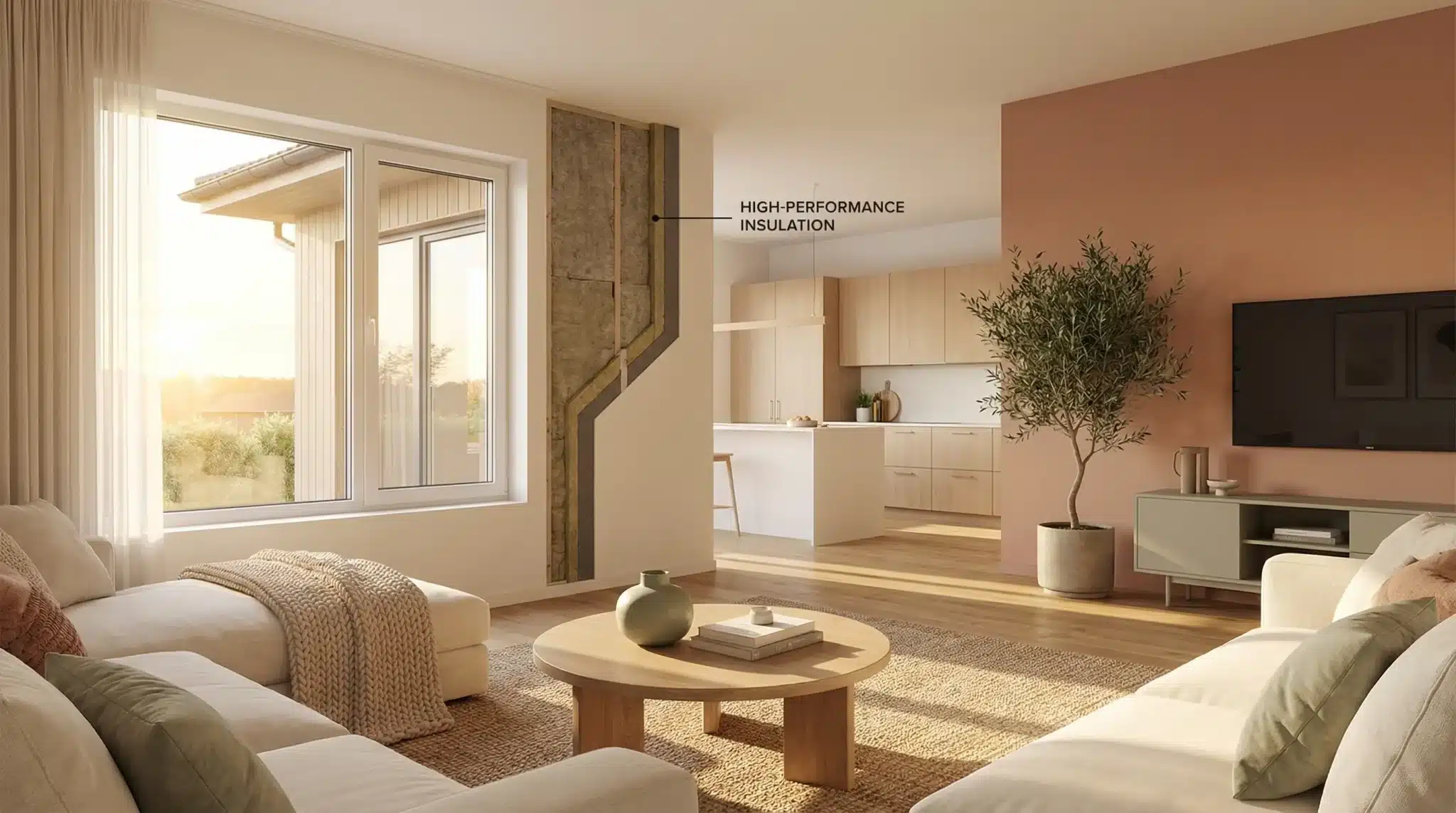
Before investing in new heating systems or smart technology, it’s worth looking at the building itself. The way your home is insulated and sealed has the biggest influence on how much energy it needs. Some of the most effective improvements include:
- Topping up loft insulation
- Improving wall insulation where possible
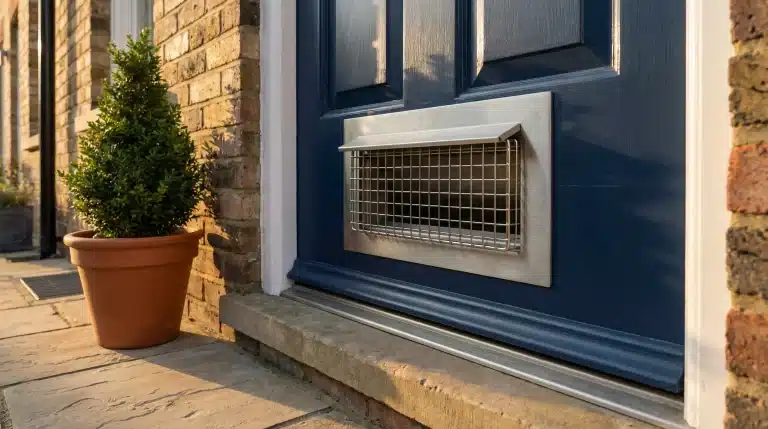
- Sealing gaps around windows and doors
- Replacing worn seals or adding draught-proofing
For older homes in particular, these changes can make a noticeable difference very quickly, helping rooms warm up faster and stay warm for longer.
Use Light and Heat More Thoughtfully
Natural light plays a bigger role in energy use than many people expect. Well-lit homes rely less on artificial lighting during the day, while sensible shading helps prevent overheating in warmer months. If you’re redecorating, extending, or rethinking layouts, consider:
- How sunlight moves through your home during the day
- Using blinds or curtains to control glare and heat
- Letting daylight reach hallways and landings where possible
These small decisions often improve comfort without altering the character of the space.
Heating Systems Work Best in the Right Conditions
Modern heating systems are far more efficient than older ones, but they perform best in homes that retain heat well. Upgrading a boiler or installing electric heating without first addressing insulation and draughts can limit the benefits.
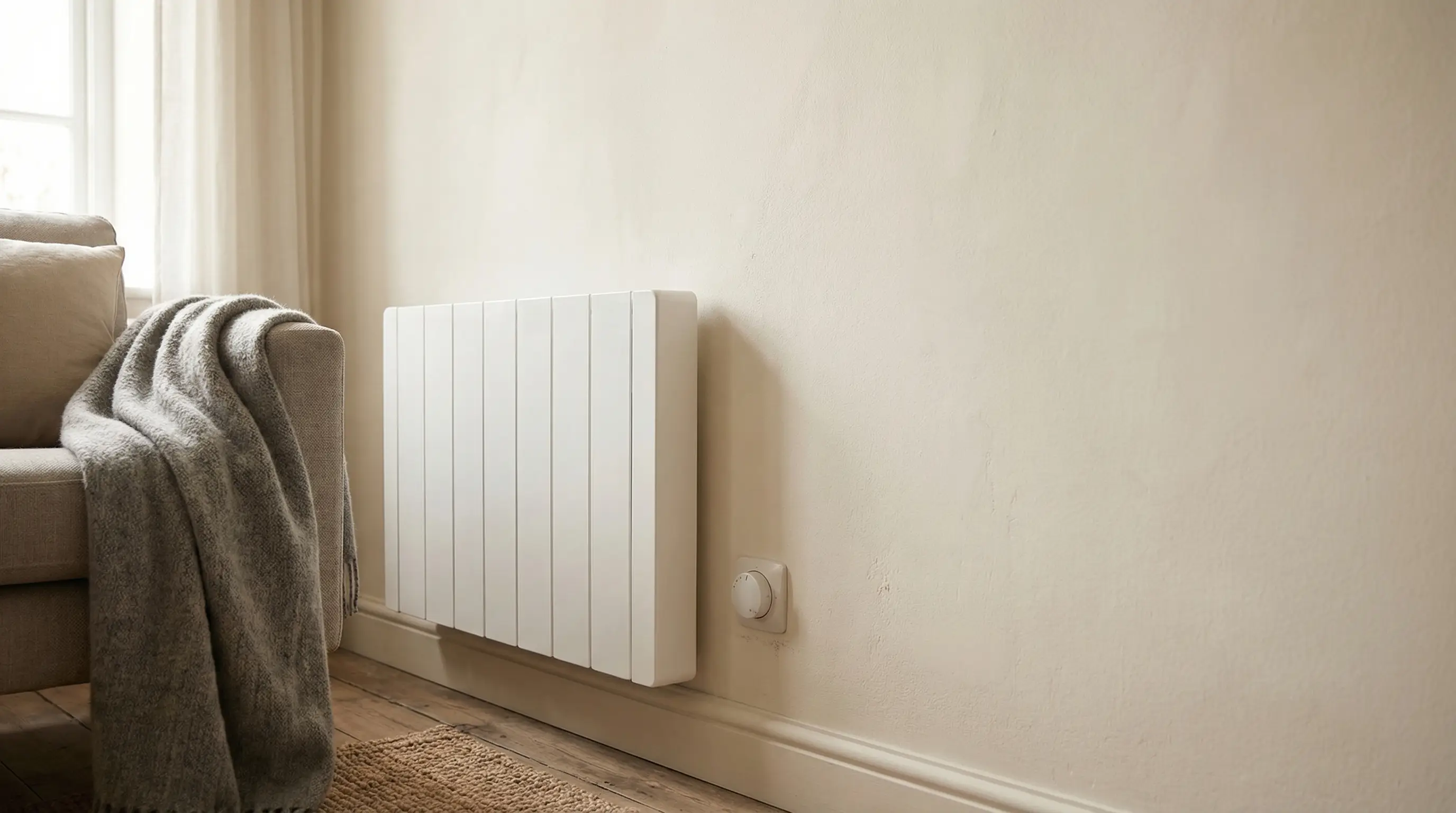
Simple steps like zoning rooms, using programmable controls, and setting realistic temperatures can make a big difference. The goal isn’t constant warmth everywhere, but steady, comfortable conditions that don’t require frequent adjustment.
Don’t Overlook Your Energy Tariff
Even the most energy-efficient home can be more expensive to run than necessary if the energy tariff doesn’t match how the household uses power. Many homeowners stay on default tariffs for years, even after renovations or changes in how the home is heated. Homes that rely more on electricity, use off-peak power, or include technologies like solar panels often benefit from tariffs designed around those patterns. It’s worth reviewing:
- When your home uses the most energy
- Whether your tariff reflects that usage
- How your current provider compares with alternatives
Octopus Energy is a popular UK home energy provider and is often mentioned for its flexible tariffs and straightforward pricing. New customers can even get a referral bonus when they switch. Looking at energy providers like this can help ensure that the effort you’ve put into improving your home’s efficiency translates into real-world savings.
A Joined-Up Approach Makes the Difference
Energy efficiency isn’t the result of one single upgrade. It’s shaped by a series of connected decisions:
- How well the home is insulated and sealed
- How heating and ventilation are controlled
- How the space is used day to day
- How energy is purchased and managed afterwards
When these elements align, homes tend to feel calmer, more consistent, and easier to live in. Approaching energy as part of everyday home improvement (rather than a specialist topic) helps ensure your home works better now and remains resilient in the future. For most homeowners, that balance of comfort, affordability and simplicity is what energy-smart living is really about.