Creating a Mudroom That Keeps Chaos at the Door

Most entryways turn messy within hours. Shoes stack up near the wall. Backpacks land on the floor. Jackets hang over chairs instead of hooks. The problem usually is not a lack of effort. It is a lack of structure. When a home does not give items a clear place to go, clutter builds fast.
Mudrooms fix that. A mudroom creates a buffer between the outside world and your living space. Instead of chasing shoes around the house or searching for keys every morning, you build a system that supports your routine. With smart planning, you can create a mudroom that keeps chaos at the door.
Design Around Real Daily Habits
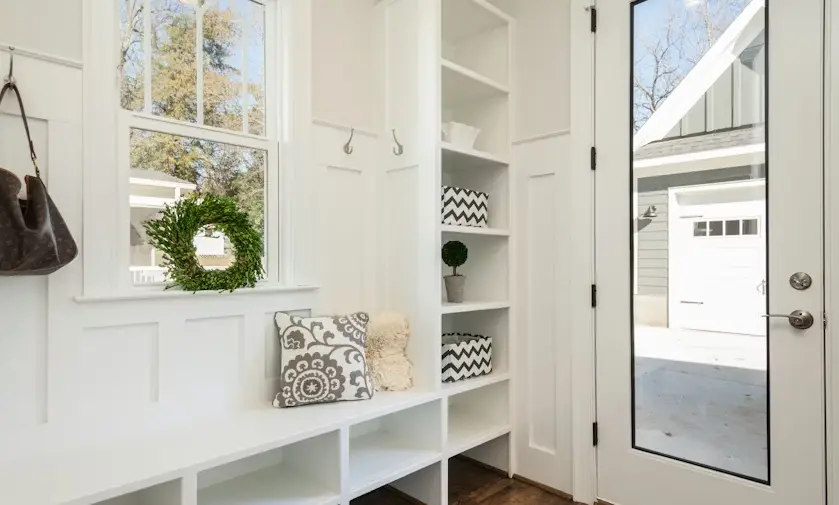
Before you buy cabinets or install hooks, pay attention to how your family actually uses the space. Notice where shoes get kicked off and where bags usually land. These patterns show you what your mudroom needs. If kids drop everything the second they walk in, you need storage right at arm’s reach. If coats end up on dining chairs, your hooks may be too far from the door.
Design works best when it supports natural behavior instead of trying to change it overnight. Place hooks where people already reach. Add a bench where they already sit to remove shoes. When your layout matches real habits, the system feels easy. That ease makes people more likely to use it every day.
Rotate Seasonal Items to Prevent Overcrowding
Mudrooms fill up fast when they hold items for every season at once. Heavy winter coats, snow boots, and summer sports gear do not need to share the same small space. Rotate items based on the time of year. Store off-season belongings in a closet, attic, or another safe area of your home.
If indoor space feels limited, storage units can provide a secure option for items you only need a few months each year. This approach keeps your mudroom focused on what you use now. When the space holds only current gear, it stays easier to manage. A simple seasonal reset twice a year helps maintain order.
Make the Most of Vertical Space
Floor space fills up fast, especially in small homes. That is why wall space matters. Install hooks at different heights so both adults and children can reach them without help. Add upper shelves for baskets that hold hats, gloves, or smaller items. Vertical storage keeps the walking path clear and makes cleaning easier.
Tall cabinets can store less-used items while keeping them out of sight. Even a narrow wall can hold slim shelves or a row of sturdy hooks. When you build upward, you create more room without expanding the footprint. This approach works well in compact entryways where every inch counts. A clear floor makes the entire space feel calmer and more organized.
Balance Open and Closed Storage
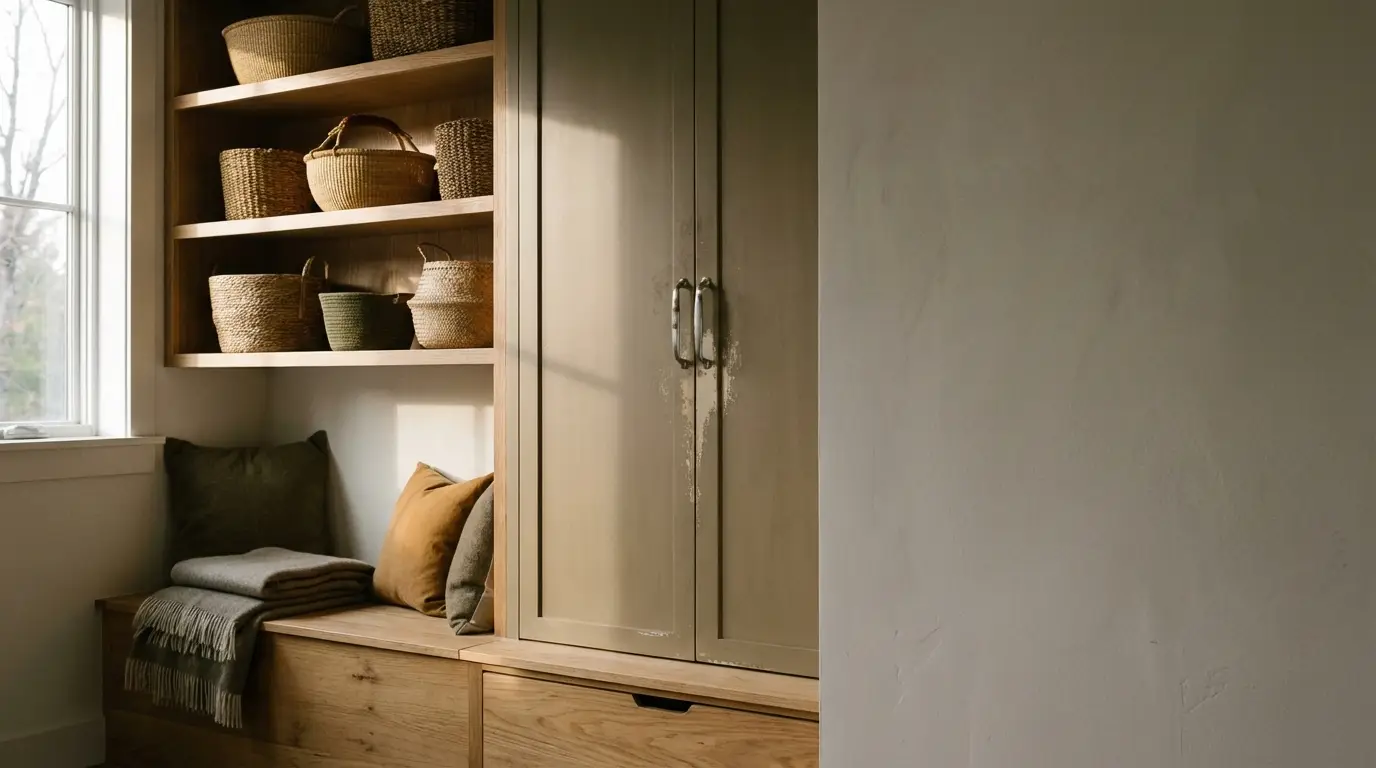
Open shelves and hooks offer quick access, but too many visible items can make the space look messy. Closed storage helps control that. Cabinets with doors hide extra shoes or seasonal gear. Drawers keep small items like gloves and keys from scattering across surfaces. A storage bench with a lift-top lid adds seating while hiding clutter inside.
Use open storage for items you grab daily. Use closed storage for overflow or anything that looks untidy when exposed. This balance keeps the mudroom practical without making it feel crowded. When everything has a defined place, the space looks clean even during busy mornings. A mix of open and closed storage supports both function and visual order.
Prepare for Wet Shoes and Dirty Gear
A mudroom handles more than shoes and coats. It deals with rain, snow, mud, and grass stains. Choose flooring that can handle moisture without damage. Tile, sealed concrete, and luxury vinyl plank work well because they resist water and clean up easily. Avoid carpet or unfinished wood in this area.
Add a boot tray near the door to catch water and dirt. Use washable rugs with non-slip backing to protect floors and prevent falls. Good airflow matters too. If possible, install a vent or use a small fan to reduce damp air. Moisture left sitting in a closed space can lead to odors and surface damage over time.
Add Practical Features That Save Time
Small upgrades can make your mudroom more useful. A narrow shelf near the door creates a spot for keys and wallets. A wall-mounted organizer helps sort mail before it spreads across the kitchen counter. A mirror near eye level allows for quick checks before leaving the house.
If you have room, add an outlet inside a drawer or cabinet to charge devices out of sight. This keeps cords from cluttering the space. Good lighting also improves function. Bright overhead lighting or a wall fixture helps you find items quickly, especially during early mornings or dark winter evenings. Simple features like these reduce daily stress.
Keep the System Easy to Maintain
A mudroom only works if it stays manageable. Avoid adding too many bins or complex storage pieces. The more complicated the system, the less likely people will follow it. Choose sturdy materials that can handle daily use. Wipe down surfaces often and shake out rugs weekly to prevent the buildup of dirt.
Set aside a few minutes each evening to return stray items to their spots. Review the space every few months. If a hook stays empty or a shelf overflows, adjust the layout. Good design should support your routine, not create extra work. A simple, realistic system keeps the space functional for the long term.
A well-designed mudroom does more than store shoes and coats. It supports your daily routine and reduces clutter before it spreads through the house. When you plan the space around real habits, use durable materials, assign clear zones, and rotate items by season, you create a system that works.
You do not need a large room or expensive features to make a difference. You need thoughtful placement and practical storage. When every item has a home and the layout fits your lifestyle, the space becomes easier to maintain. Over time, small daily improvements add up, and your entryway stays calm, clean, and under control.