Construction Zone Safety 101: Simple Steps That Protect Neighbors, Kids, and Pets

Most people don’t set out to “trespass” on a job site. They just do the normal things they always do. Walk the dog. Push a stroller. Let the kids ride bikes up and down the block. Then a fence panel is sitting a little crooked, there’s a gap by the gate, and suddenly the work area feels like it’s part of the sidewalk.
That’s the problem construction zones run into. The site changes, but people’s habits don’t. Getting ahead of that starts with temporary fencing available for rent. A clean, consistent boundary keeps the curious from wandering in and gives crews one less safety issue to fight all day.
Start With a Perimeter Plan, Not Just Panels
Don’t wait until the panels arrive to figure out where everything should go. Take ten minutes to walk the outer edge of the site and look at it like a neighbor would. Where do people naturally cut through? Where do kids tend to stop and stare? Where does someone walking a dog get close without even realizing it?
Once you spot the high-traffic areas, plan your fence line and gates around them. Put gates where crews actually need access for deliveries and equipment, and keep them away from the areas with steady foot traffic. If the project will shift in phases, treat the fence line the same way. Set a date to move sections, tighten up corners, and close off areas that were fine last week but are risky now. A perimeter only works when it keeps up with the job.
Build a Fence That Does Not Invite Climbing or Shifting
A fence usually doesn’t “fail” in some dramatic way. It slowly turns into something people can mess with. A panel sits a little higher than the one next to it. The ground dips and leaves a gap. A corner gets bumped and starts leaning. Then someone realizes they can lift it, squeeze under it, or use it like a ladder.
Do a quick scan for the obvious problem spots. Check low areas where the grade drops, seams where panels meet uneven ground, and anywhere a curious kid could grab the frame and pull. If you can shake a panel from the outside, it needs attention.
The fix is usually simple, but it has to be done right. Use bases and ballast that make sense for the surface and the weather, and don’t treat corners like an afterthought. Corners and ends take the most abuse, so they should be the most secure. A sturdy fence looks firm and feels firm, and that alone discourages a lot of bad decisions.
Treat Gates Like Controlled Access Points
Unauthorized entry usually happens through gates because they appear intentional. Every gate should follow one rule: locked unless it is actively in use. This includes short breaks, tool runs, and end-of-day cleanup.
Assign responsibility for gate checks to a specific person on each shift. When everyone assumes someone else will lock up, gates get left open. One unsecured gate can undo the protection provided by the rest of the fence line.
Use Signage That Works at Walking Speed
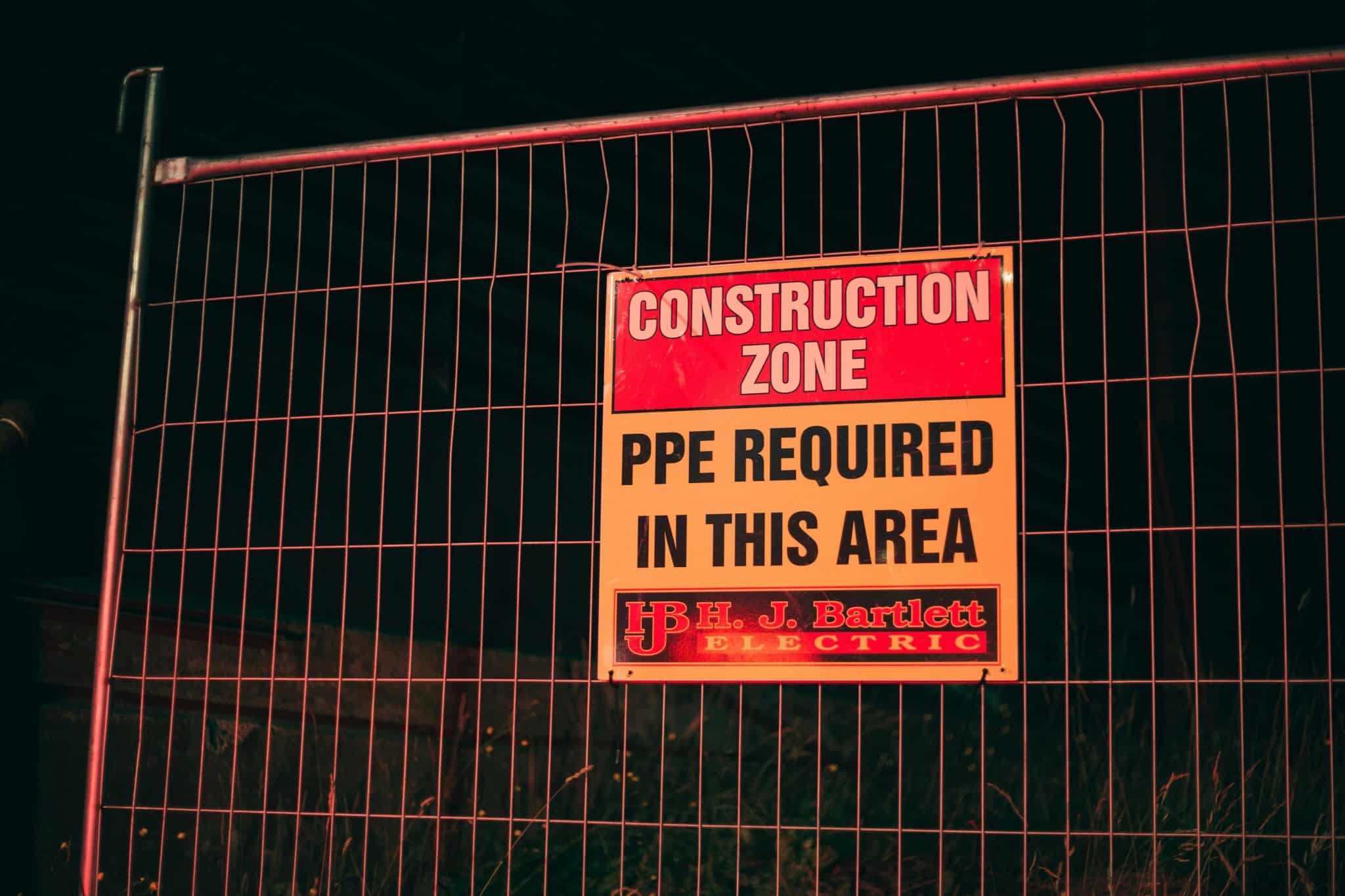
Signs should be easy to read without stopping. Place them at natural approach angles and repeat them near any area that could be mistaken for an entrance. Clear instructions like “Authorized Access Only” or “Construction Area” work better than long explanations.
Avoid cluttering the fence with too many messages. A few well-placed, consistent signs are more effective than a collection of warnings that blend into the background. Replace damaged or faded signs immediately so the boundary always looks intentional.
Prevent Pet Incidents With Edge Checks and Cleanup Discipline
Pets follow scents and movement near debris and discarded food. That makes the bottom edge of the fence just as important as the top. Look for gaps where soil has shifted or bases have moved, and address them immediately.
A daily base check helps prevent dogs from pushing through openings that develop over time. This is where planning for a temporary fence rental in Portland, OR, becomes important, because the right setup anticipates ground changes rather than reacting to them.
Use Lighting and Visibility as After-Hours Safety Tools
After hours is when boundaries are tested most often. Proper lighting makes the fence line visible and reduces the appeal of hidden corners. It also reassures nearby residents that the site is secure.
Focus lighting along the perimeter and at gates rather than flooding the entire site. The goal is visibility, not glare. Temporary lighting should be checked regularly to ensure it does not create new trip hazards.
Inspect With a Real Checklist, Not a Quick Glance
Effective inspections follow a routine. Walk the full perimeter, test panels for movement, confirm gate locks, and look for new climb assists created by shifting materials. Address issues the same day whenever possible.
Weather, deliveries, and equipment movement all affect fencing. A consistent inspection process catches small problems before they become serious safety concerns.
Final Thoughts
Construction safety often comes down to how well the boundary is managed. When fencing is stable, gates are controlled, and edges are kept clean, neighbors, kids, and pets are far less likely to wander into danger. Projects that rely on temporary fencing available for rent reduce these risks early and maintain safer conditions throughout the build.