Concrete Leveling: A Homeowner’s Guide to Fixing Uneven Slabs

That slight lip at the edge of your driveway. The patio slab that rocks when you step on it. The sidewalk section your lawnmower keeps catching. These aren’t just cosmetic annoyances – they’re warning signs that something beneath the surface has shifted, and ignoring them tends to make things worse and more expensive over time.
Uneven concrete is one of the most common property maintenance issues American homeowners face, and it affects far more than curb appeal. Tripping hazards on walkways create real liability exposure. A sunken driveway can redirect water toward a foundation. A tilted garage floor can compromise the structure above it. Understanding what causes concrete to sink, and what your options are for fixing it, is the first step toward making a smart, cost-effective decision for your home.
For homeowners in the San Francisco Bay Area and surrounding Northern California communities, USASprayMe offers concrete leveling services alongside a broad range of residential and commercial construction services.
What Causes Concrete to Sink and Crack?
Concrete slabs don’t move on their own – they respond to changes in what’s underneath them. The most common culprits behind sinking and uneven concrete include:
Soil erosion and washout. Water is the primary driver of concrete settlement. Over time, rainwater, irrigation, and poor drainage can erode the soil beneath a slab, creating voids that the concrete eventually sinks into. This is especially common around downspouts, in low-lying areas, and wherever soil wasn’t properly compacted during construction.
Soil shrinkage. Clay-heavy soils expand when wet and contract when dry. In regions with pronounced wet-dry cycles, this repeated movement gradually destabilizes the base layer beneath concrete slabs, leading to uneven settling across the surface.
Tree root activity. Roots growing beneath slabs can heave concrete upward, then leave voids behind as they die and decompose – causing the slab to drop unpredictably.
Poor compaction at installation. When fill soil beneath a new slab wasn’t properly compacted before the pour, it continues to settle for years afterward, pulling the concrete down with it.
Freeze-thaw cycles. In colder climates, water that infiltrates beneath slabs expands when it freezes and contracts when it thaws. Repeated cycles of this movement gradually undermine the base and cause differential settling.
Understanding the root cause matters because it shapes which repair approach will actually hold up over time.
Why Uneven Concrete Is a Safety and Liability Concern
Tripping hazards are the most immediate risk. The U.S. Consumer Product Safety Commission estimates that falls are among the leading causes of unintentional injury in and around the home. A sidewalk slab with even a half-inch height difference meets the threshold for a reportable trip hazard in many municipalities.
Beyond personal injury, uneven concrete can redirect surface water in ways that threaten your home’s foundation. Water pooling against a foundation wall or flowing toward a basement entry is a serious long-term structural risk. And in garages, a slab that has settled unevenly can create drainage problems and put stress on attached wall framing.
Addressing sunken driveway repair or uneven walkways early – before cracks widen and edges crumble further – is almost always cheaper than waiting.
Mudjacking vs. Polyurethane Foam Leveling
When a concrete slab has sunk but is otherwise structurally sound, lifting and stabilizing it is usually far more economical than full replacement. Two methods dominate the residential concrete repair market: mudjacking and polyurethane foam injection.
Mudjacking
Mudjacking – also called slabjacking or pressure grouting – is the older of the two methods. It works by drilling a series of holes (typically 1.5 to 2 inches in diameter) through the slab, then pumping a slurry mixture of water, soil, sand, and cement beneath it under pressure. The slurry fills voids and lifts the slab back toward its original position.
Mudjacking has a long track record and is widely available. The material is relatively inexpensive, and most contractors are familiar with the process. However, the slurry adds significant weight to the subbase – which can accelerate future settlement if the underlying soil is already weak. Holes are also larger and more visible after patching, and curing time can take 24 to 72 hours before the slab is ready for traffic.
Polyurethane Foam Concrete Leveling
Polyurethane foam leveling – sometimes called polyjacking or poly leveling – uses a two-component expanding foam injected through much smaller holes (typically around 5/8 inch in diameter). The foam expands rapidly to fill voids and lift the slab, then cures within 15 to 30 minutes. The repaired slab can typically handle foot traffic within an hour and vehicle traffic the same day.
Polyurethane foam is lightweight, waterproof, and doesn’t add stress to an already-compromised subbase. It’s also more precise: the expansion is controllable, which reduces the risk of over-lifting. Because the material is hydrophobic, it won’t wash out or degrade the way soil-based slurry can over time.
The tradeoff is cost. Polyurethane foam leveling typically runs higher per square foot than mudjacking, though the gap has narrowed as the technology has become more widely available. For many homeowners, the faster cure time, smaller drill holes, and longer-lasting results make the price difference worthwhile – especially in high-moisture environments where mudjacking slurry is more vulnerable to erosion.
For driveways, pool decks, garage floors, and other surfaces where appearance and quick return to use matter, polyurethane foam concrete leveling has become the preferred approach for many slab leveling services.
What Concrete Leveling Costs: Key Factors
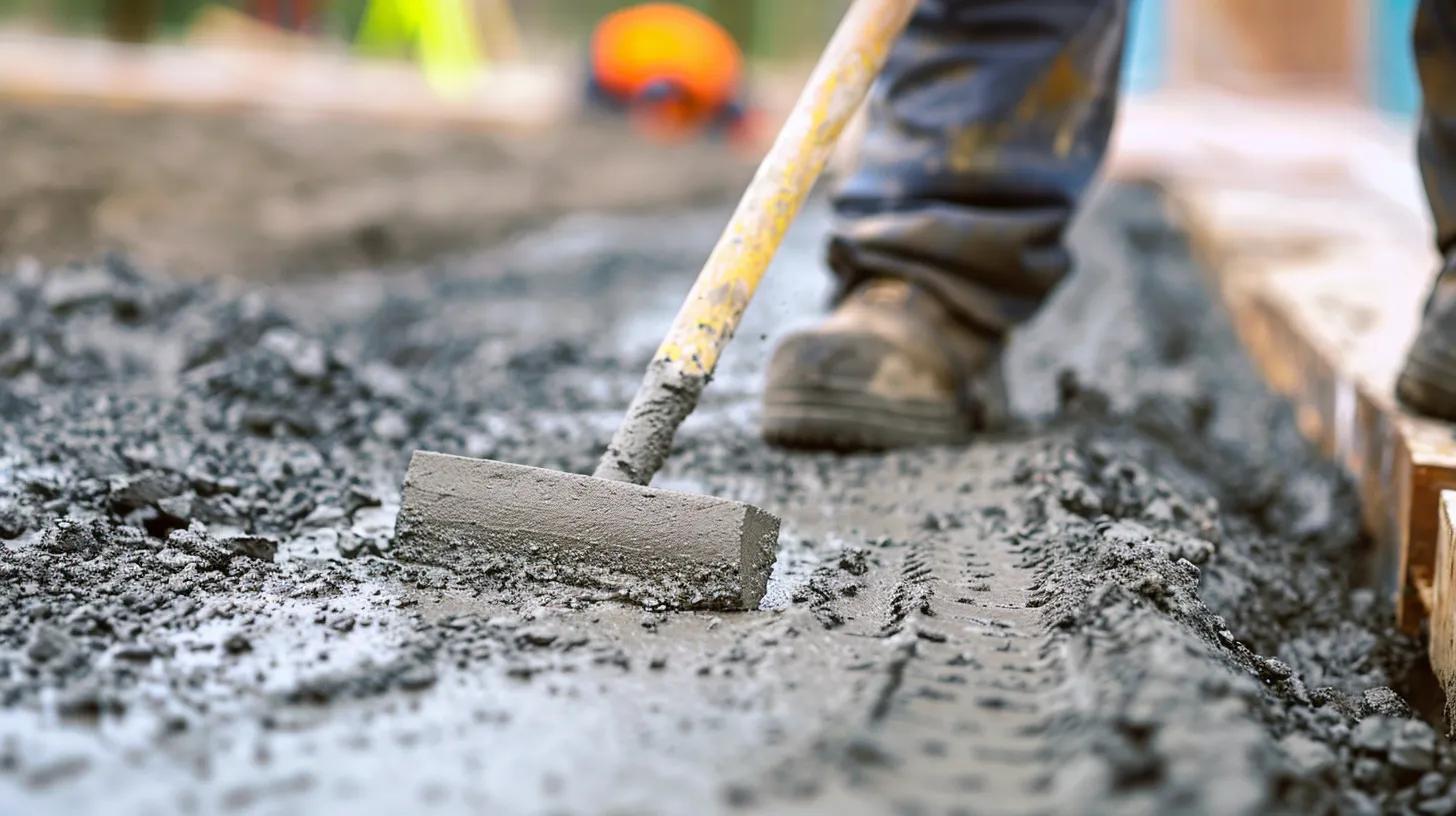
Pricing for concrete leveling varies significantly based on location, the extent of settlement, the method used, and accessibility. Here are the primary cost drivers:
Size of the affected area. Most contractors price by the square foot or by the number of drill holes required. Larger areas cost more in absolute terms, though the per-square-foot cost often decreases as the project scales.
Depth of the void. Shallow voids beneath a slab require less material than deep settlement. A slab that has dropped 4 inches needs significantly more filler – and more precision – than one that has dropped an inch.
Method selected. Mudjacking typically runs $3–$6 per square foot for residential work. Polyurethane foam leveling generally falls in the $5–$25 per square foot range depending on complexity and region.
Accessibility. Slabs under decks, near landscaping, or in tight spaces cost more to work around.
As a rough benchmark, a standard two-car driveway panel that has settled 1 to 2 inches might run $400–$1,200 depending on method and region. Full replacement of the same panel could easily cost $1,500–$3,000 or more – which illustrates why leveling is often the financially sensible choice when the slab itself is still in good condition.
About Usa Spray Me: Concrete Leveling and Insulation Services in Northern California
The company has been operating since 2005, is licensed, bonded, and insured, and works with materials sourced from established industry suppliers.
Their team approaches concrete leveling with the same site-specific assessment that guides their other work – evaluating the cause of settlement, the condition of the surrounding slab, drainage patterns, and soil type before recommending a solution. That diagnostic step matters, because the best repair approach for a coastal Bay Area property dealing with moisture-driven erosion isn’t necessarily the same one that works for a drier inland site.
In addition to concrete leveling, USA Spray Me offers a wide range of home performance services. Homeowners exploring energy upgrades, for instance, can learn more about their blownininsulation options, which pair well with other weatherization improvements for a more comprehensive approach to home efficiency. Free inspection estimates are available, and the company operates Monday through Saturday, 7 AM to 6 PM.
Maintenance Tips to Prevent Future Settlement
Once a slab has been leveled, a few preventive steps can significantly extend the results:
Manage drainage. Direct downspouts away from concrete slabs and ensure grading slopes water away from your home’s foundation and hardscaping. Standing water is the primary driver of the erosion that causes settlement.
Seal cracks promptly. Small cracks in concrete allow water to infiltrate the subbase. Filling them with a concrete sealant before each winter prevents freeze-thaw damage from widening them.
Control vegetation near slabs. Large trees planted too close to driveways, walkways, or patios are a long-term risk. If removal isn’t practical, root barriers can help redirect growth.
Schedule periodic inspections. A contractor familiar with foundation settlement solutions can spot early signs of movement before they become major repairs. An annual walk-around after the winter thaw is a practical habit.
Frequently Asked Questions
How do I know if my concrete can be leveled or needs to be replaced?
Concrete that is cracked but structurally sound – meaning cracks are relatively tight and the slab hasn’t broken into multiple shifting pieces – is generally a good candidate for leveling. If the slab is heavily cracked, crumbling at the edges, or has heaved significantly in multiple directions, replacement may be the better long-term investment. A reputable contractor can assess the condition and give you an honest recommendation.
How long does polyurethane foam leveling last?
When done correctly and on a stable subbase, polyurethane foam leveling can last 10 years or more. The foam itself is waterproof and doesn’t degrade, but if the underlying drainage or soil issue that caused the original settlement isn’t addressed, movement can recur. Pairing the leveling work with drainage improvements gives the best long-term results.
Is concrete leveling a DIY project?
For minor cracks and surface spalling, DIY concrete patching products are widely available and workable for cosmetic repairs. However, slab lifting requires specialized equipment – both mudjacking rigs and polyurethane foam injection systems are commercial-grade tools. Attempting to lift a slab without proper equipment risks uneven lifting, over-pressurization, and further cracking. This is one repair category where professional services reliably outperform DIY attempts.
Will the drill holes be visible after the repair?
With mudjacking, the 1.5 to 2-inch holes are larger and more noticeable after patching, though they typically blend in over time as the patch weathers. Polyurethane foam injection uses much smaller holes – often less than an inch – and patches are considerably less visible. In both cases, the holes are filled with a concrete mix that matches as closely as possible.
Does concrete leveling work on garage floors?
Yes, and garage floors are one of the most common applications. Settlement in garage floors often occurs near the door opening, where water infiltration is highest. Leveling restores the proper slope toward the drain, prevents water pooling inside the garage, and can reduce stress on the garage door mechanism if the uneven slab was interfering with the door’s travel path.
The Bottom Line
Uneven concrete rarely fixes itself, and the longer the settlement goes unaddressed, the more it costs to repair. Whether the issue is a sunken driveway, a tilted sidewalk panel, or a garage floor that no longer drains correctly, understanding your repair options – and the conditions that caused the problem – puts you in a much stronger position to make a decision that holds up over time. In most cases where the slab is still structurally sound, leveling is faster, less disruptive, and more affordable than replacement. The key is getting a professional assessment early, before minor settlement becomes a structural problem.