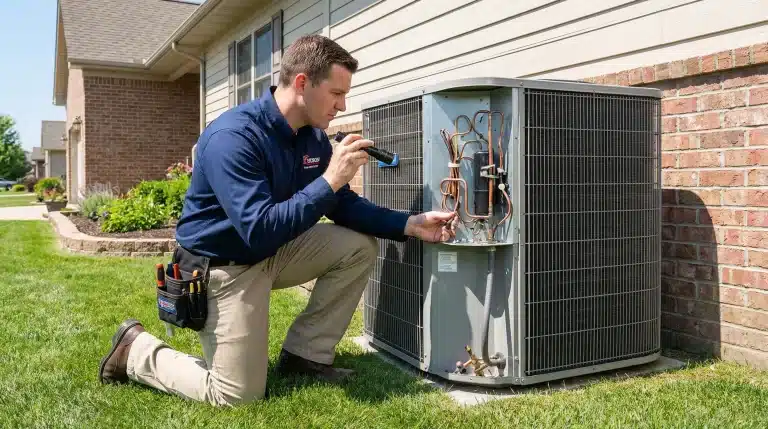

Common Household Electrical Problems and Safety Solutions

Have you ever wondered why lights flicker or outlets stop working without warning? Many homes face small electrical issues that can grow into serious risks if ignored. Common household electrical problems often start in simple ways, but they can lead to damage or even fire.
Knowing what to look for helps you act fast and stay safe. In this blog, you will learn how to spot these problems and apply smart safety steps. You will also gain clear tips to protect your home and your family from harm.
Signs of Common Household Electrical Problems
Many homes show warning signs before a bigger issue happens. Lights that flicker or dim may mean loose wiring or too much load on one circuit. Warm outlets or switches can also point to trouble inside the wall.
If you hear buzzing sounds, this may show a faulty connection that needs quick care. These are common household electrical problems that should never be ignored.
Circuit breakers that trip often are another sign of stress in your system. This can happen when too many devices run at the same time. Old wiring may not handle modern power needs well.
Hidden Outlet and Cord Risks You Should Not Ignore
Extension cords used for long periods can also cause heat buildup. These small habits can lead to bigger risks if they continue. Outlets that do not hold plugs well can also be unsafe.
Loose contact may cause sparks or heat, burn marks near outlets are a clear warning sign. If you notice any of these, it is best to stop using that area. In some cases, calling an emergency electrician is the safest step when power issues appear without warning.
Simple Safety Solutions for Everyday Use
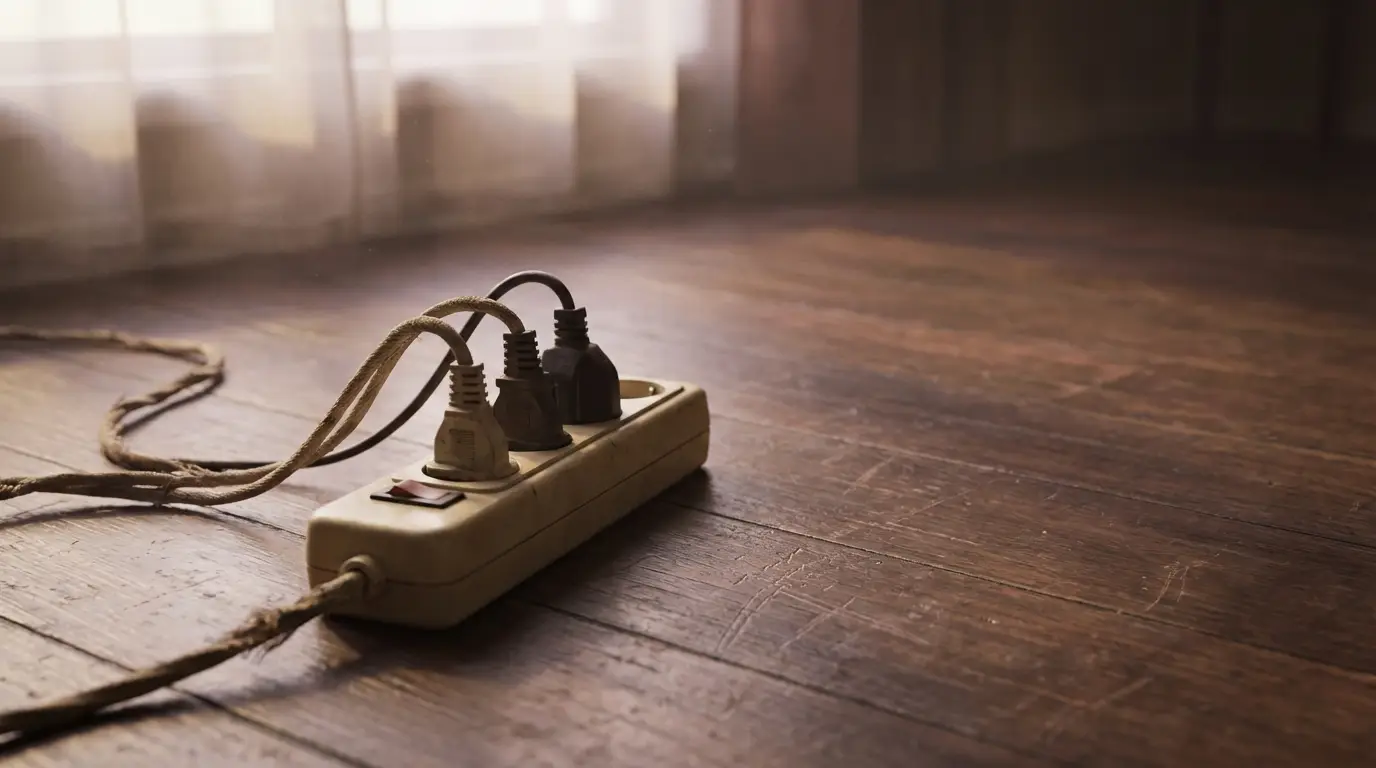
Good safety habits can lower the risk of electrical problems at home. Start by checking cords and plugs for damage. Replace any item that shows wear or cracks.
Keep water away from outlets and switches to avoid shock. These steps are simple but very important for daily safety. Do not overload outlets with too many devices.
Spread out your appliances across different circuits when possible. Use power strips with built-in protection to help manage load. This can prevent overheating and reduce the chance of fire.
Simple Checks and Upgrades for a Safer Electrical System
Small changes can make a big difference. Regular checks of your home system also help prevent trouble. Test your circuit breakers and make sure they work well.
If your home is older, consider an upgrade to support modern use. New wiring can improve safety and reduce strain on your system. Taking time to care for your setup helps avoid sudden problems.
Stay Safe and Protect Your Home Every Day
Common household electrical problems can happen in any home, but they do not have to lead to danger. When you watch for warning signs and act early, you lower the risk of damage and injury. Simple steps like checking cords, avoiding overload, and keeping your system updated can help a lot.
When needed, always seek help from a trained expert to ensure proper repairs. Your safety should always come first.
Did this guide help you? Browse the rest of this section for more advice on a variety of topics.