
Common Cooling Problems Every Homeowner Should Know

Homeowners expect their cooling systems to work the moment the heat settles in, yet many discover problems just when they need comfort the most. Cooling issues often start small, and most people overlook early signs because they seem harmless at first. A little warmth in one room, a slight drop in airflow, or an unusual sound may not feel like a real concern.
Homeowners who understand the most frequent causes of cooling trouble are better prepared to respond before the system loses efficiency. The goal is to help readers recognize what these issues look like and why they develop. The first step is simply knowing where problems usually begin.
Dirty or Blocked Airflow
Airflow plays a major role in how well a cooling system performs. Dust and household debris gradually collect around vents and returns, which limits circulation. Furniture placed directly against vents also prevents air from moving freely.
Homeowners often assume the system is failing, yet the real issue can be as simple as blocked vents or heavy dust buildup. A quick look at supply and return vents highlights whether something is obstructing the air path. Light cleaning and clearing the area around vents often improve airflow immediately.
Clogged Air Filters
Air filters protect the internal components of the cooling system, and they also help maintain steady airflow. Dust and debris collect on the filter surface during everyday use. Once the filter becomes heavily packed, air struggles to move through it, and the system loses the ability to cool effectively.
A filter that has not been changed for several months often causes symptoms that feel more serious than they truly are. Many homeowners notice weak cooling long before realizing the filter needs attention. If you’re wondering why your AC is running but not cooling, a clogged air filter might be one of the culprits. Regular replacement helps maintain steady airflow and prevents unnecessary stress on internal parts.
Thermostat Issues
Thermostats guide the entire cooling process. A small mistake in settings or a failing sensor can cause the system to behave unpredictably. Homeowners sometimes adjust the temperature repeatedly without realizing the thermostat is misreading the room. A thermostat that loses calibration often triggers the system at the wrong times or fails to start when needed.
Simple checks usually resolve basic thermostat issues. Confirming that the temperature setting matches the household’s actual comfort level is a good place to start. Batteries in older thermostat models may also need replacement.
Low Refrigerant Levels
Refrigerant absorbs heat inside the home and moves it outdoors. Low levels reduce the system’s ability to cool effectively. Most homes experience refrigerant loss because of a leak rather than a sudden drop. The decline is gradual, so the system begins running longer in an effort to reach the set temperature.
Symptoms of low refrigerant often include weak airflow, rising energy bills, and less noticeable temperature changes. Leaks require a trained technician since refrigerant handling involves specific guidelines.
Frozen Evaporator Coils
Evaporator coils absorb heat, so they rely on steady airflow and proper refrigerant levels to stay functional. Dirt buildup on the coils or reduced airflow can cause the surface temperature to drop too much, which leads to ice formation. Once the coils freeze, cooling performance drops sharply. Homeowners may notice warm air flowing from vents, water around the indoor unit, or visible frost on the system.
Allowing the coils to thaw and addressing the cause of the freeze prevents repeated issues. Cleaning, filter replacement, and professional inspection of refrigerant levels help restore normal operation. Frozen coils often signal an underlying issue that needs attention before it becomes more serious.
Faulty Condenser Unit
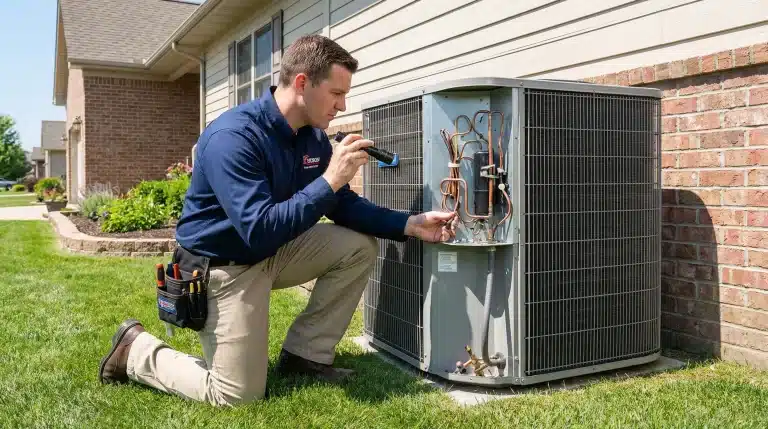
The condenser unit outdoors plays a major role in removing heat from the home. Its components work together to release the heat collected indoors, so any obstruction around the condenser affects how efficiently it operates. Leaves, branches, and dirt often settle around the unit throughout the year.
A condenser that struggles often produces noticeable signs. Loud rattling, reduced cooling, and unusually long run times suggest the unit isn’t functioning at its best. Dirt buildup on the fins or damage from weather also contributes to poor heat transfer. Cleaning around the condenser improves airflow, but a technician should handle any internal damage or mechanical failure.
Electrical or Wiring Problems
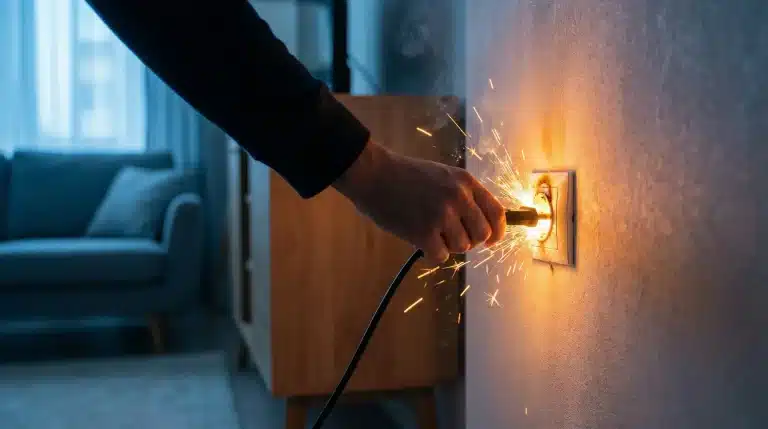
Cooling systems rely on safe electrical connections to run properly. Loose wires, worn components, or damaged connections interrupt the flow of power and stop the system without warning. Homeowners sometimes notice the system shutting off unexpectedly or failing to start even when the thermostat calls for cooling. These signs often point to electrical issues that need immediate attention.
Small electrical problems can escalate quickly if they’re ignored. Heat from loose connections or faulty parts may damage other components. A trained professional is the best person to inspect electrical systems because cooling equipment contains parts that require careful handling. Routine tune-ups allow technicians to check these connections before they cause major interruptions.
Lack of Routine Maintenance
Cooling systems benefit from consistent care throughout the year. Routine maintenance prevents many problems long before they affect comfort. A yearly tune-up often includes cleaning coils, checking refrigerant levels, tightening electrical connections, and inspecting the overall condition of the system. These steps help identify wear, minor damage, or early signs of inefficiency.
A system that lacks maintenance often develops several small issues that stack up over time. Dust buildup grows heavier, airflow weakens, and components experience more strain. Regular maintenance supports efficient performance and helps homeowners avoid unexpected repairs during hot weather.
Cooling problems can feel overwhelming when they appear at the peak of the season, yet many issues follow predictable patterns. Homeowners who understand the most common causes can respond with confidence and avoid unnecessary stress.
Simple steps like replacing filters, cleaning vents, and checking thermostat settings often resolve smaller concerns. Larger issues involving refrigerant, electrical components, or mechanical failures benefit from professional support.