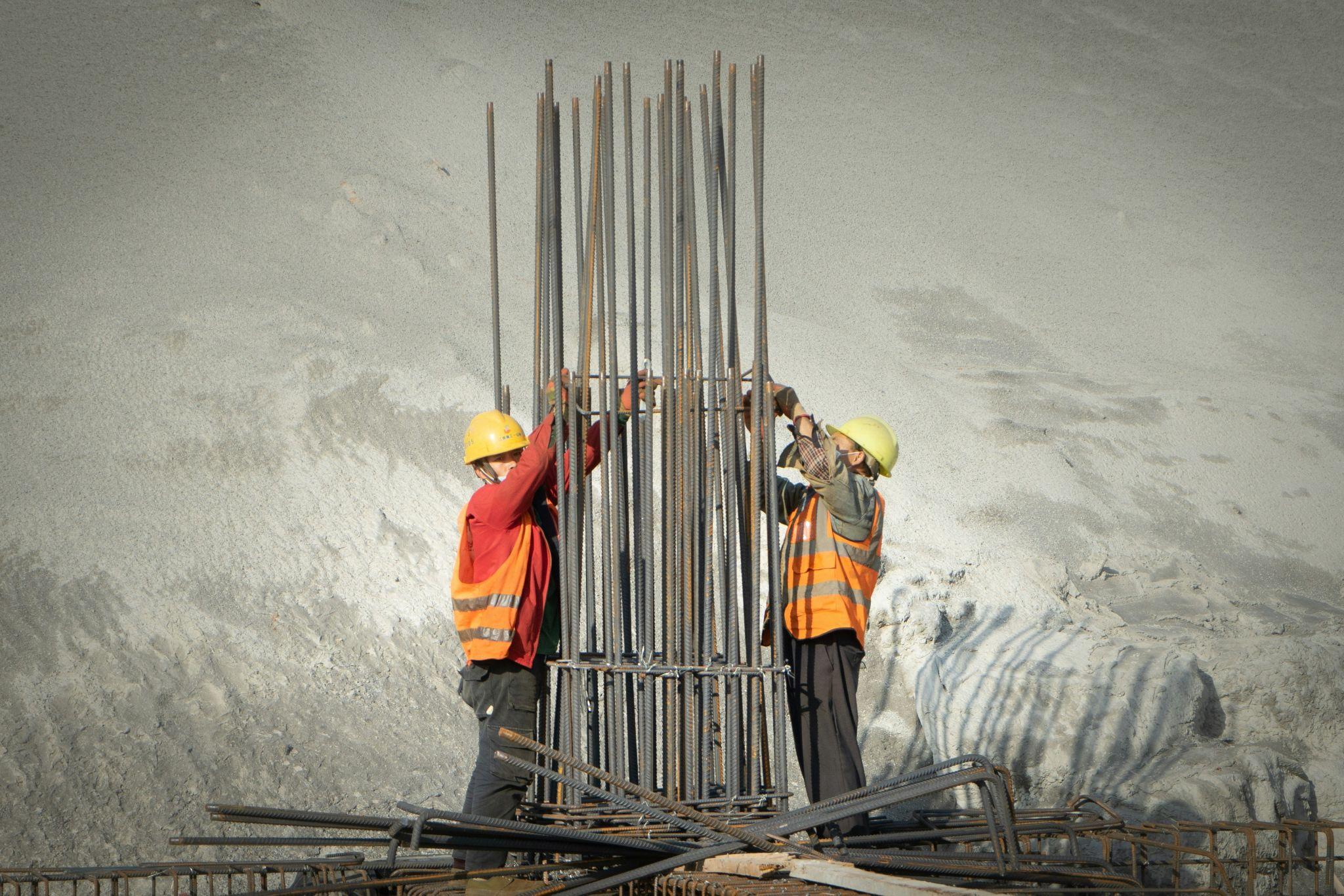
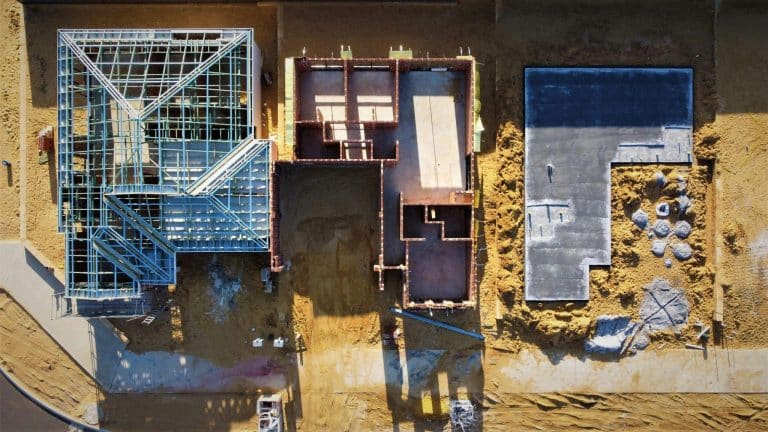
Every structure begins beneath the surface. The foundation supporting a building determines its longevity, safety, and resilience against the challenging conditions Australian construction sites regularly present.
Traditional foundation methods served the industry well for decades. However, advances in engineering technology and construction equipment have revolutionised how professionals approach this critical phase of building projects.
Today’s construction landscape demands faster timelines, reduced costs, and minimal environmental disruption. These pressures have driven innovation in both foundation installation and finishing processes across residential, commercial, and infrastructure sectors.
Understanding Modern Foundation Challenges
Australian soil conditions vary dramatically across different regions. From reactive clay soils in Melbourne to sandy coastal conditions along Queensland’s coastline, each project presents unique engineering challenges.
Traditional concrete footings require extensive excavation, significant curing time, and often struggle in difficult soil conditions. These limitations have prompted the industry to explore alternative foundation systems offering greater flexibility and efficiency.
Flood-prone areas present particularly complex challenges. Saturated soils make conventional concrete pouring problematic, while shifting ground conditions can compromise structural integrity long after construction completes.
Coastal developments face corrosion concerns that inland projects rarely encounter. Salt air and high water tables accelerate the deterioration of inadequately protected foundation elements, leading to costly remediation work.
Time pressures on modern construction projects have intensified considerably. Developers and builders face tight schedules where every day of delay impacts profitability and client satisfaction.
Environmental considerations now influence foundation choices more than ever before. Clients increasingly request sustainable options that minimise site disturbance and reduce carbon footprints.
The Rise of Screw Pile Technology
Steel screw piles have emerged as a game-changing alternative to conventional concrete foundations. These cylindrical steel shafts feature helical blades that allow mechanical installation directly into the ground.
The installation process resembles a giant corkscrew entering the soil. Specialised equipment rotates the pile while applying downward pressure, driving it to the required depth without excavation.
Immediate load-bearing capacity represents one of the most significant advantages. Unlike concrete, which requires days or weeks to cure, screw piles can support structural loads immediately after installation.
This time saving translates directly to project efficiency. Builders can proceed with construction phases without waiting for foundation curing, potentially shaving weeks off overall project timelines.
Soil disturbance remains minimal throughout the installation process. Heavy machinery does not need to excavate large volumes of earth, preserving site conditions and reducing spoil disposal requirements.
Professional providers conduct thorough site evaluations to determine optimal pile specifications for each unique project.
The versatility of screw pile systems extends across numerous applications. Residential homes, commercial buildings, industrial facilities, bridges, and infrastructure projects all benefit from this foundation technology.
Difficult access sites particularly favour screw pile installation. Compact equipment can operate in confined spaces where traditional concrete trucks and excavators simply cannot reach.
Reactive soil conditions that plague many Australian regions become manageable with properly engineered screw piles.
The deep anchoring provided by helical blades extends below the active zone where soil movement occurs.
Removal and reuse possibilities add another dimension to sustainability considerations. Should future site requirements change, screw piles can be extracted and relocated rather than abandoned in the ground.
Cost comparisons increasingly favour screw pile systems, especially as project depth increases. Traditional concrete foundations become exponentially more expensive at greater depths, while screw pile costs scale more linearly.
Quality assurance processes have become highly sophisticated within the screw pile industry. ISO-certified manufacturers ensure consistent production standards, while documented installation procedures provide comprehensive project records.
The Critical Role of Pile Finishing
Installing foundation piles represents only part of the overall process. Once piles reach their designed depth, they must be trimmed to precise cut-off levels before construction can proceed.
Traditional pile trimming methods relied heavily on manual labour. Workers used handheld tools to chip away concrete, exposing reinforcement bars in a slow, physically demanding process.
Safety concerns surrounding manual pile breaking are substantial. Vibration exposure, dust inhalation, noise levels, and physical strain all present occupational health risks for workers performing this repetitive task.
The time required for manual pile trimming often creates project bottlenecks. A single pile might require forty-five minutes or more of manual work, multiplied across dozens or hundreds of piles on larger sites.
Modern hydraulic pile cropping technology has transformed this phase of construction. Excavator-mounted attachments now perform in minutes what previously required nearly an hour of manual effort.
These specialised machines apply controlled hydraulic force to break concrete cleanly. The process exposes reinforcement bars without damage, maintaining structural integrity for subsequent construction phases.
Engaging a professional Pile Cropper in Australia brings access to purpose-built equipment and experienced operators. Specialist contractors understand the nuances of different pile types and site conditions.
The range of pile cropping equipment available today addresses virtually any project requirement. From small residential piles to massive infrastructure elements, appropriately sized machinery ensures efficient processing.
Continuous flight auger piles present specific challenges that dedicated CFA croppers address effectively. These machines accommodate pile diameters ranging from small residential sizes up to massive structural elements.
Precast concrete piles require different cropping approaches than cast-in-situ alternatives. Specialised equipment handles the unique characteristics of each pile type, delivering consistent results regardless of construction methodology.
Debonding techniques have further refined pile cropping outcomes. Sleeving reinforcement bars before concrete placement allows exceptionally clean breaks with minimal manual finishing required.
Dust and noise reduction represent significant improvements over traditional methods. Hydraulic cropping generates far less airborne particulate matter and operates more quietly than prolonged manual breaking.
Integrating Foundation Technologies
The most successful construction projects integrate complementary technologies throughout the foundation phase. Screw pile installation paired with efficient pile finishing creates streamlined workflows from start to completion.
Project planning should consider the entire foundation sequence from initial design through final preparation. Understanding how different elements interact allows optimisation of schedules and resource allocation.
Communication between foundation specialists proves essential for smooth project execution. Installation teams and finishing contractors must coordinate timing to prevent delays and maintain construction momentum.
Geographic considerations influence technology selection significantly. Regional soil conditions, equipment availability, and local expertise all factor into foundation system decisions.
Budget allocation for foundation work deserves careful consideration during project planning. Investing in appropriate technologies often delivers substantial savings through reduced timelines and improved quality outcomes.
Documentation requirements have become increasingly important across the construction industry. Both screw pile installation and pile cropping specialists provide comprehensive records supporting quality assurance and compliance obligations.
Looking Ahead
Foundation technology continues evolving rapidly. Manufacturers invest heavily in research and development, seeking improvements in strength, efficiency, and sustainability.
Automation increasingly influences foundation installation processes. Advanced equipment incorporates sensors and controls that enhance precision while reducing operator fatigue and error potential.
Sustainability pressures will likely accelerate the adoption of lower-impact foundation solutions. Steel screw piles, with their recyclability and minimal site disturbance, align well with emerging environmental expectations.
Training and certification programs ensure skilled workers remain available as technologies advance. Industry associations and manufacturers collaborate to maintain high standards across the foundation sector.
The Australian construction industry faces significant growth projections over the coming decades. Infrastructure investment, population growth, and housing demands will all drive foundation work volumes higher.
Choosing appropriate foundation technologies and partners positions projects for success from day one. The decisions made beneath ground level ultimately determine what can be achieved above it.
Smart builders recognise that foundation work deserves the same attention as visible construction elements. Cutting corners underground inevitably creates problems that surface later, often at considerable expense.
The combination of modern installation methods and efficient finishing technologies delivers foundations that support successful construction outcomes. These innovations represent genuine progress in how Australia builds for the future.
Mark Scott, a professional with a degree in Construction Management from Texas A&M University, has been a key part of our home renovation and improvement section since 2020. With over 15 years of experience in construction, he specializes in transforming homes into modern, functional spaces. His previous experience as a contractor gives him practical insights into home improvement projects. He is also a DIY enthusiast, sharing his passion through community workshops.