Beyond Repairs: Knowing When to Replace Key Home Systems

A home depends on systems that support comfort, safety, and long-term stability. Roofs, HVAC units, plumbing lines, and electrical wiring age over time, and each one eventually reaches a point where repairs lose effectiveness.
Homeowners often lean toward small fixes because they feel manageable in the moment, yet those fixes stop helping once a deeper breakdown begins. A clear understanding of warning signs makes it easier to decide when a repair has reached its limit and a full replacement offers better protection for the home.
Roof Failure Signals That Require Full Replacement
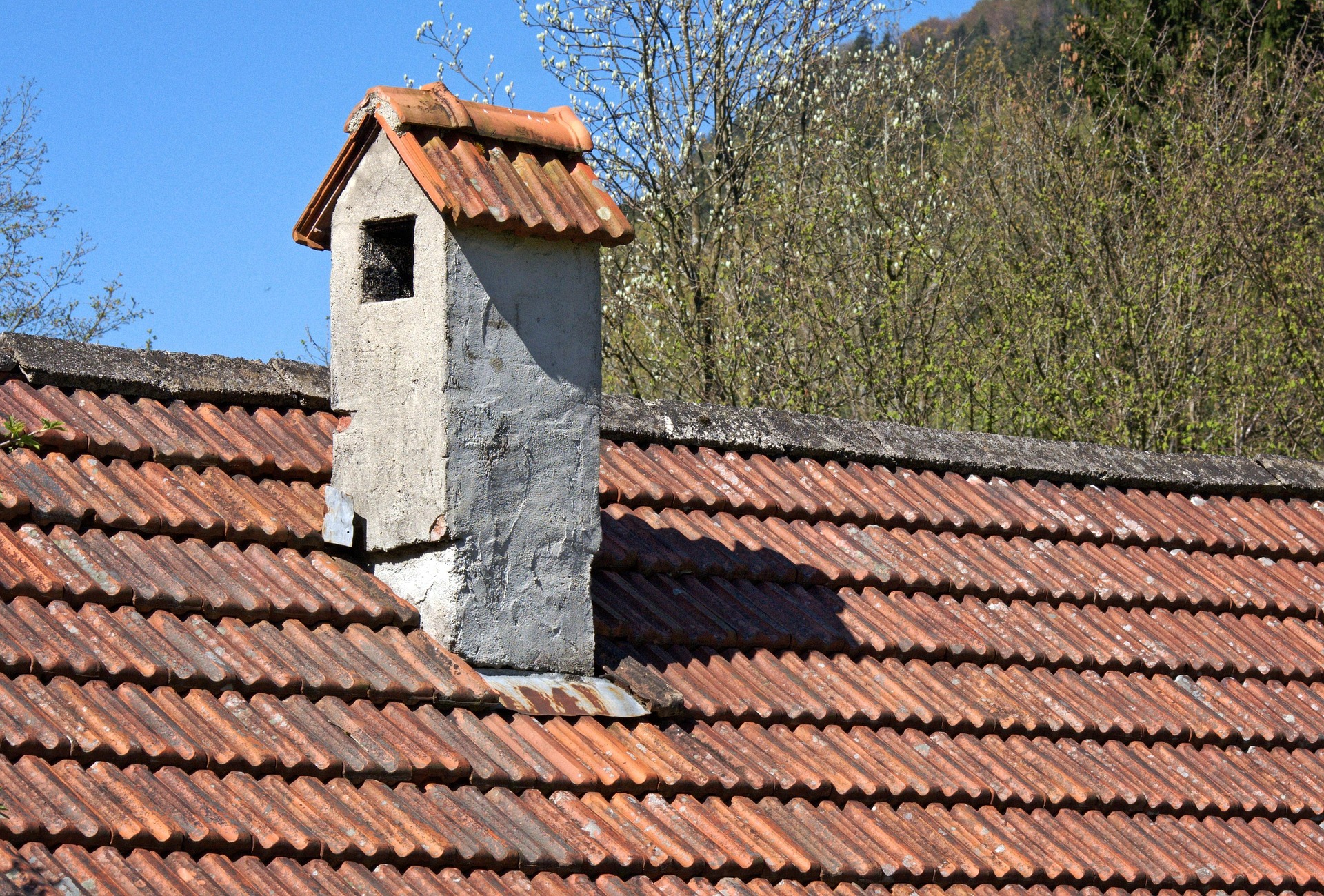
A roof plays a critical role in protecting your home. If leaks keep coming back after repairs, the decking starts to sag, or shingles crumble with light pressure, those are often signs of deeper structural wear. Once water gets past compromised materials, it can spread quickly and cause damage that isn’t always obvious right away.
At that point, repeated patch jobs can turn into an expensive cycle that never fully fixes the underlying problem. If your system is beyond repair, it’s time for a replacement roof that restores lasting strength and proper protection. A roof in stable condition should keep out moisture, regulate indoor temperatures, and support the structure beneath it. Once these functions decline, replacement offers far better long-term value than repeated short-term fixes.
Hidden Damage That Outgrows Simple Fixes
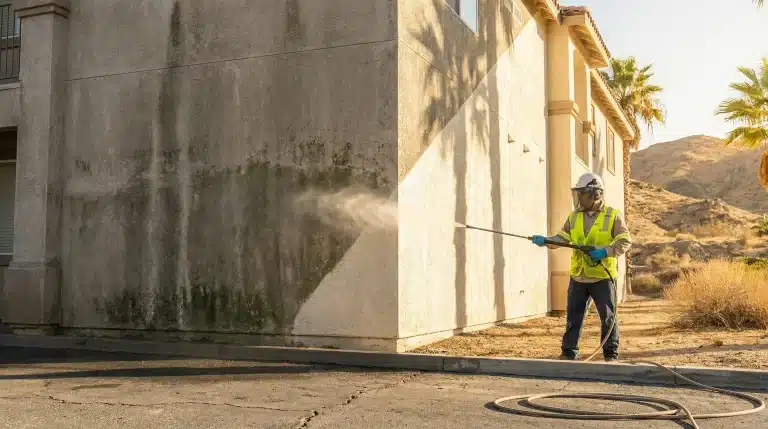
Some problems stay out of sight until they reach an advanced stage. Moisture trapped behind walls, aging support materials, and previous patch jobs can hide widespread deterioration. A quick repair may seem helpful, though interior components can continue to break down without any visible warning.
Homes often show subtle clues such as uneven surfaces, bubbling paint, or musty odors that hint at an issue spreading behind the scenes. A closer inspection usually reveals weakened layers that have exceeded their lifespan. Replacement becomes the responsible choice once hidden damage reaches a point where each repair only masks the real cause instead of resolving it.
HVAC Units That No Longer Deliver Reliable Comfort
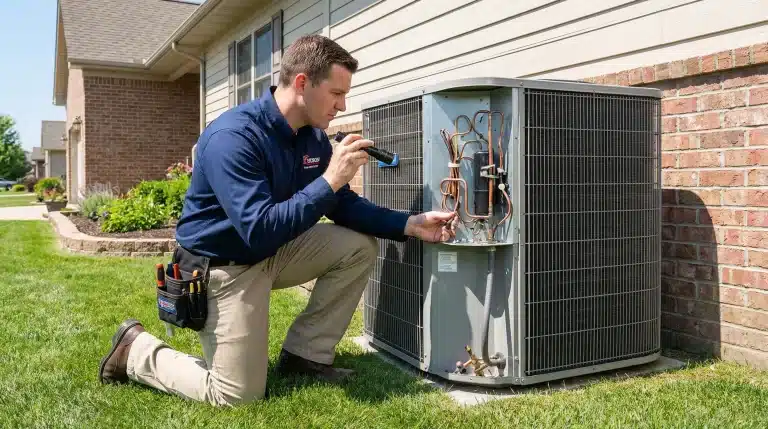
An HVAC system tends to show early signs of decline through inconsistent airflow, extended run times, and rising energy bills. Rooms that never feel evenly heated or cooled signal that the system is losing efficiency. Older components work harder to maintain indoor temperatures, which leads to more strain on motors and internal parts.
Repairing one issue may offer brief relief, yet another problem often follows because the system as a whole is aging. A replacement brings reliable performance, better temperature control, and lower operating costs. Comfort improves, and homeowners avoid the stress of ongoing breakdowns during extreme weather.
Plumbing Networks Showing Persistent Decline
Plumbing systems rely on steady pressure, clean water flow, and secure pipe connections. Discolored water, frequent leaks, or corrosion around joints indicate widespread deterioration within the network. Small repairs help temporarily, though aging pipes weaken from the inside long before symptoms appear.
Water damage spreads quickly once a line fails, and even a minor issue can reach flooring, walls, or cabinets. A replacement offers a more dependable solution when the entire system begins to fail rather than one isolated area. Modern materials also bring stronger performance and longer lifespans.
Electrical Systems That Pose Growing Risks
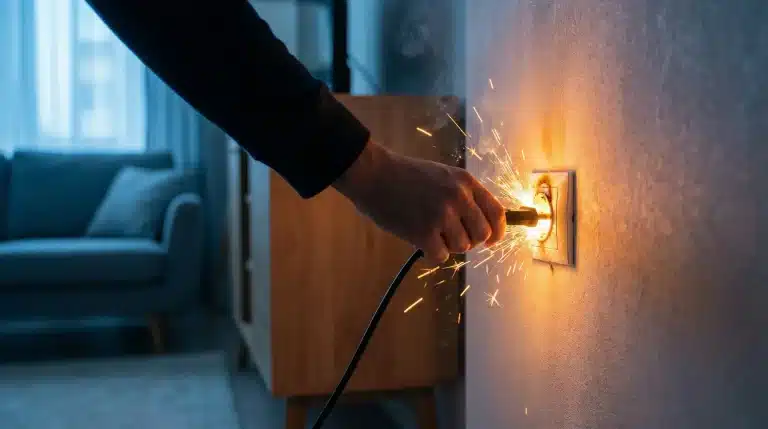
Electrical issues deserve immediate attention because they affect safety as well as convenience. Flickering lights, outlets that feel warm, or breakers that trip repeatedly show that the wiring can no longer support current household needs.
Many older homes rely on systems designed for lower power demands, which creates strain on circuits during normal use. Repairs may stabilize one connection, though a full upgrade becomes necessary when the broader system reaches its limit. A replacement brings safer wiring, improved capacity, and better protection for both the home and its appliances.
Windows and Doors That Undermine Efficiency
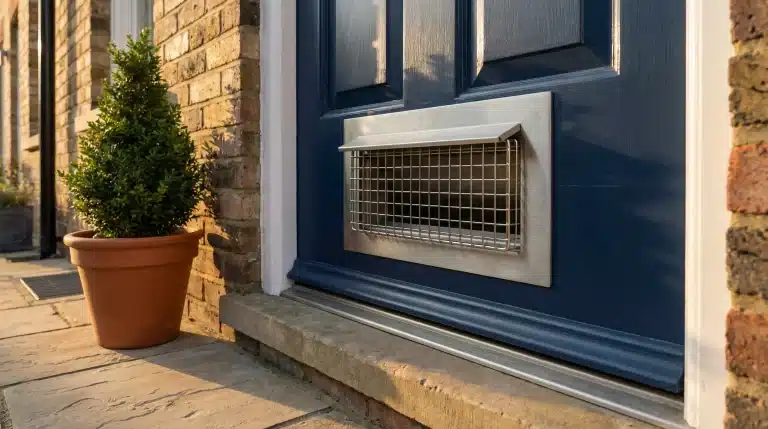
Windows and doors play a central role in regulating indoor comfort. Drafts, weakened seals, fogging between panes, and frames that no longer close smoothly signal that these components are losing their ability to insulate the home. Repairs such as re-caulking or adjusting hardware may help for a short while, though these solutions fall short once the underlying structure deteriorates.
Older frames often shift over time, which creates gaps that allow outside air to move freely into the home. This reduces comfort and forces heating and cooling systems to work harder. Replacement offers a noticeable improvement in energy efficiency, security, and day-to-day usability. Modern materials provide better insulation and durability, giving homeowners a more reliable barrier against changing weather conditions.
Foundation Problems Requiring More Than Spot Treatment
A foundation affects every part of the home above it. Cracks that widen over time, uneven floors, sticking doors, or moisture collecting along the base of the structure indicate movement occurring beneath the surface. Spot repairs only address the visible outcome rather than the root cause. Soil shifts, water intrusion, and long-term settling create deeper structural issues that simple patchwork can’t correct.
A comprehensive approach becomes necessary when these signals appear. A full stabilization or replacement of compromised sections preserves the integrity of the entire structure and prevents more costly damage in the future. Homeowners gain peace of mind knowing the home rests on a secure, properly supported base.
Water Heaters and Appliances That Reach the End of Their Lifespan
Most water heaters and large appliances have predictable lifespans, and performance usually drops as they near the end of that timeline. Rust around the tank, inconsistent temperatures, strange noises, and frequent service calls point to internal components wearing out. Repairs may delay failure, though they can’t reverse the deterioration happening inside the system.
Older units also use more energy than modern designs, which increases utility costs over time. Replacement restores efficiency and reliability while reducing the risk of unexpected breakdowns that disrupt daily routines. Homeowners benefit from consistent performance and an upgrade that supports long-term savings.
A home remains strong and dependable when each major system operates as intended. Repairs offer value early on, though every system reaches a point where patchwork no longer keeps up with underlying decline. Recognizing those moments helps homeowners avoid recurring issues, sudden failures, and rising costs.
A timely replacement strengthens the entire home, improves safety, and creates a healthier living environment. Thoughtful decisions at the right stages ensure the home stays resilient for years to come.