
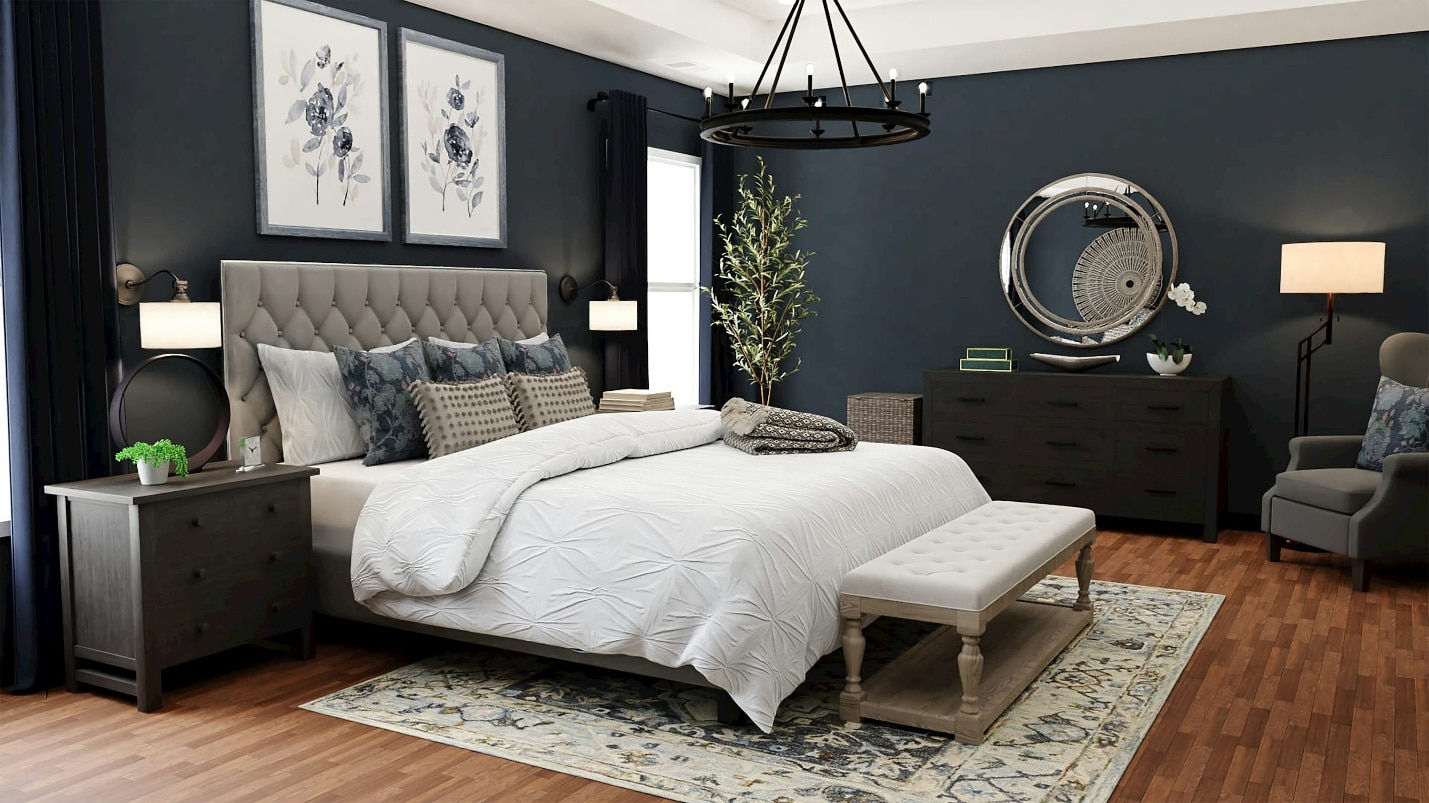
Bedroom Bliss: How to Build Your Perfect Sanctuary

A bedroom often reflects the pace and energy of everyday life, which is why the space can feel restorative when shaped with intention. A calm room influences rest, mood, and focus, so thoughtful details create a meaningful difference. Many people begin with layout or décor, yet comfort, lighting, color, and organization matter just as much.
Each layer works together to form a sanctuary that supports quiet moments, steady routines, and long evenings that allow the mind to settle. A room gains depth when design choices feel deliberate rather than scattered. This approach turns the space into an environment that strengthens ease instead of competing for attention. The following sections break down the essential steps that help bring this experience to life.
Color Choices That Shape the Mood
Color creates the first impression when someone steps into a room. Soft neutrals and muted tones often produce a sense of steadiness, while warmer palettes add gentle comfort without crowding the senses. Thoughtful use of color can help the mind shift away from the day’s pace and toward a slower rhythm.
Many people rely on layered tones to create harmony rather than sharp contrasts. Walls, fabrics, and accents can support one another when chosen with a clear direction. A unified palette sets the foundation for the rest of the room, allowing décor and lighting to blend naturally.
Mattress and Bedding Decisions That Elevate Comfort
Comfort begins with the mattress, since restful sleep shapes the quality of each day. The right support reduces strain and creates a steadier sleep cycle. Mattress sizes vary to accommodate different room dimensions and sleep preferences, with options such as King and California King offering generous space and presence.
You can go through the King vs. California King comparison breakdown to identify which mattress size creates a balanced and visually pleasing foundation for your room. A standard King mattress is wider and offers more room to spread out. A California King is longer and provides extra legroom, which can be helpful when tailoring the size to your height and bedroom layout. A choice that aligns with your room layout, sleep habits, and movement needs will feel comfortable and functional once everything comes together.
Furniture Placement That Encourages Balance
Furniture placement affects the flow of the entire room. A bed positioned where it receives natural light often creates an inviting focal point, while nightstands placed at a reachable distance support convenience without clutter.
Thoughtful spacing allows the room to breathe. Clear pathways help reduce visual stress and make daily movement feel easier. A balanced layout relies on proportion rather than the number of items. Pieces that serve a purpose prevent the space from feeling crowded or unfinished.
Lighting Choices That Set the Tone
Lighting guides the mood through each part of the day. Soft ambient lighting forms a gentle base, while task lighting supports reading, dressing, or winding down. Accent lighting adds character when used with subtlety. The warmth or coolness of a bulb influences how the room feels once the lights come on.
Warmer tones often shape a more soothing atmosphere. Adjustable lighting gives greater control over transitions, helping the room shift from active moments to rest. A thoughtful lighting plan blends practicality with comfort, allowing the space to support calm evenings and slow mornings with ease.
Storage Solutions That Help You Stay Organized
Clutter can disrupt the sense of sanctuary, which is why storage plays such an important role. Simple solutions lead to a cleaner visual field and a clearer mind. Multifunctional furniture provides hidden compartments that keep everyday items out of sight. Baskets, drawers, and under-bed storage offer structure without adding bulk.
Organization becomes easier when everything has a place. A room feels more peaceful when surfaces stay open, clothes remain sorted, and belongings no longer spill into resting areas. These habits allow the space to maintain its calm, even during busy weeks.
Natural Elements That Bring Warmth and Authenticity
Natural elements can shift the entire mood of a bedroom with a quiet impact. Soft wood tones, woven materials, gentle stone textures, and greenery create depth without overwhelming the senses. These details add warmth that feels grounded rather than ornamental. Plants often bring a calm presence through their color and shape.
Even one well-placed plant can soften a corner or windowsill. Materials that age gracefully, such as oak, linen, or rattan, introduce character that grows with time. A room gains authenticity when these elements complement one another instead of competing for attention.
Personal Touches That Strengthen Emotional Comfort
Personal touches transform a bedroom into a reflection of the person who rests there. Art that resonates, textiles with sentimental value, or objects that carry meaningful memories can add emotional comfort without creating clutter. A few intentional pieces often speak louder than a collection of scattered décor.
Each item should support the feeling someone wants to experience when they enter the room. Thoughtful placement matters as much as the objects themselves. A photograph near the nightstand, a textured throw on the chair, or a small sculpture on a dresser can bring a quiet personality to the space.
Technology Choices That Support Rest Instead of Interrupting It
Technology influences sleep more than many people realize. Screens, notification sounds, and bright lights can disrupt the mind’s ability to settle. A sanctuary benefits from boundaries that keep stimulation at a distance. Charging stations placed outside the immediate sleep area help reduce late-night scrolling.
Soft soundscapes or white noise machines can support a smoother transition into rest when used with intention. Smart bulbs adjusted to low, warm settings help ease the mind before bedtime. These choices shape an environment that encourages deeper rest and fewer interruptions.
A bedroom gains its sanctuary-like quality through thoughtful layers rather than a single design choice. Color sets the emotional tone, comfort influences the rhythm of rest, lighting shapes the atmosphere, organization brings clarity, and personal touches create connection. Natural elements and simple technology habits help the space remain steady through the shifting pace of daily life.
A room built with care evolves with the person who inhabits it. Small adjustments made over time can keep the space aligned with changing needs. A sanctuary grows from decisions that honor calm moments and support the body and mind at the end of each day.