How to Create a Healthier Home Environment Through Better Ventilation and Air Circulation

A well-designed home should not only provide shelter, accommodate daily activities and reflect personal style. It should also support comfortable indoor environments where air moves appropriately, excess moisture is controlled, and common pollutants do not accumulate unnecessarily.
While homeowners commonly prioritize flooring, lighting, paint colors, and furniture when improving their living spaces, ventilation should also be given equal consideration. Therefore, below, we will explore how homeowners can create a healthier home through better air circulation and ventilation.
Know What Affects Indoor Air Quality
Indoor air contains a mixture of substances originating from everyday household activities and the surrounding environment. The building itself also influences how these substances move and accumulate. Tightly sealed windows, poorly positioned exhaust fans, obstructed air pathways, and inadequate ventilation can contribute to localized pollution.
For example, a bedroom with limited air exchange may experience stale air, particularly when the doors remain closed for extended periods. Therefore, an understanding of these sources helps homeowners make better improvement decisions.
Utilize Strategic Window Placement
Natural ventilation uses outdoor air movement and temperature differences to encourage air exchange within a building. When windows are positioned strategically, homeowners can create pathways that allow fresh air to enter while warmer indoor air escapes.
This makes cross-ventilation very useful here because it creates airflow between openings on different sides of a property. Opening windows opposite one another can encourage air to travel across living spaces instead of remaining concentrated near a single opening. However, this arrangement works best if the outdoor conditions are suitable and surrounding buildings don’t obstruct prevailing winds.
Window placement should also reflect the home’s orientation, local climate, privacy requirements, and exposure to outdoor pollution. Casement windows can capture breezes effectively when positioned to face prevailing winds, while operable windows near ceilings can help release rising warm air.
Give Kitchens and Bathrooms Dedicated Exhaust Systems

Kitchens and bathrooms generate substantial moisture and airborne contaminants, making them key areas for targeted ventilation. Relying only on general room circulation may not remove these pollutants efficiently since they are produced in concentrated locations.
A properly installed range hood that exhausts outdoors can remove cooking fumes, grease particles, heat, and combustion byproducts before they disperse into adjacent rooms. On the other hand, exhaust fans should discharge outdoors rather than into attics, crawl spaces, or enclosed wall cavities. Running the fan during bathing and for an appropriate period afterward removes moisture before it settles on ceilings, walls, and fixtures.
Design HVAC Systems Around Effective Air Distribution
Heating, ventilation, and air conditioning systems influence indoor comfort by regulating temperature, conditioning air, and supporting air movement. However, conventional heating and cooling equipment does not necessarily introduce sufficient outdoor air simply because it circulates throughout the house.
That is why supply and return vents should remain unobstructed to prevent uneven distribution. Also, large furniture pieces, heavy curtains, and storage units placed directly over vents can restrict airflow and create uncomfortable temperature differences between rooms.
Control Moisture
Excess moisture affects both indoor comfort and the durability of building materials. Persistent dampness can encourage mold growth, damage drywall, deteriorate wood finishes, and contribute to musty odors. Ventilation helps remove moisture from cooking, bathing, cleaning, and other household activities, but it cannot compensate for unresolved leaks or water intrusion.
Homeowners should investigate recurring condensation, discolored ceilings, peeling paint, damp basement walls, and persistent odors instead of covering these symptoms with fresh paint or fragrances.
Use Air Filtration
Air filtration can reduce certain airborne particles that remain after source control and ventilation improvements. However, selecting the right equipment requires understanding what different filters can actually capture.
High-efficiency particulate air (HEPA) filters are designed to capture very small airborne particles. Portable air cleaners equipped with rightly sized HEPA filters can be useful in bedrooms, home offices, and other frequently occupied spaces. However, their effectiveness depends on clean-air delivery rate, room dimensions, placement, and operating time. Moreover, central HVAC filters also offer another opportunity to improve particle removal.
Create a Practical Home Ventilation Maintenance Routine
Even well-designed ventilation systems can become less effective when neglected. Dust accumulation, clogged filters, damaged ductwork, blocked exterior vents, and malfunctioning fans can gradually undermine performance.
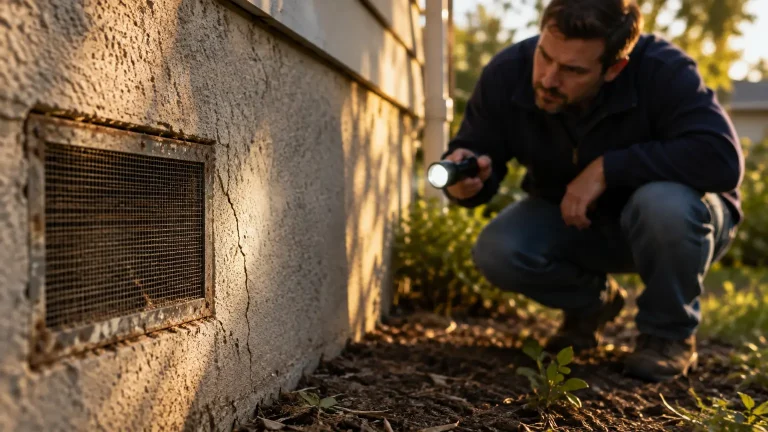
A practical maintenance schedule should include inspecting and replacing HVAC filters according to the manufacturer’s recommendations, cleaning exhaust fan grilles, checking exterior ventilation openings, and arranging periodic professional HVAC inspections. Homeowners should also examine visible duct connections and investigate unusual odors, excessive noise, and inconsistent airflow.
In cases where unexpected health challenges place additional pressure on family budgets, like an unexpected lung cancer diagnosis caused by prolonged asbestos exposure, families may want to understand whether financial resources, such as lung cancer compensation, are available to help cover eligible medical costs and related expenses.
Endnote
Creating a healthier home environment requires effective indoor air management, designing appropriate ventilation pathways, controlling moisture, maintaining HVAC equipment, and using filtration where it provides additional value. Homeowners who incorporate these considerations into routine maintenance and renovation decisions can create a living space that is more comfortable, resilient, and easier to manage.