The Top Wellness Trends Worth Watching Now

Wellness is entering a more considered era. After years of elaborate morning routines, expensive supplements and increasingly complicated self-care rituals, attention is shifting toward practices that fit into everyday life. Consumers are exploring functional beverages, personalized nutrition, restorative movement and ways to improve their relationship with sleep. The emphasis is less on dramatic transformations and more on feeling better throughout an ordinary day. As 2027 approaches, several emerging wellness trends offer an interesting glimpse into how people may approach their physical and emotional health. Some build on established research, while others reflect changing preferences around convenience, enjoyment and personal well-being.
Functional Drinks Become Everyday Rituals
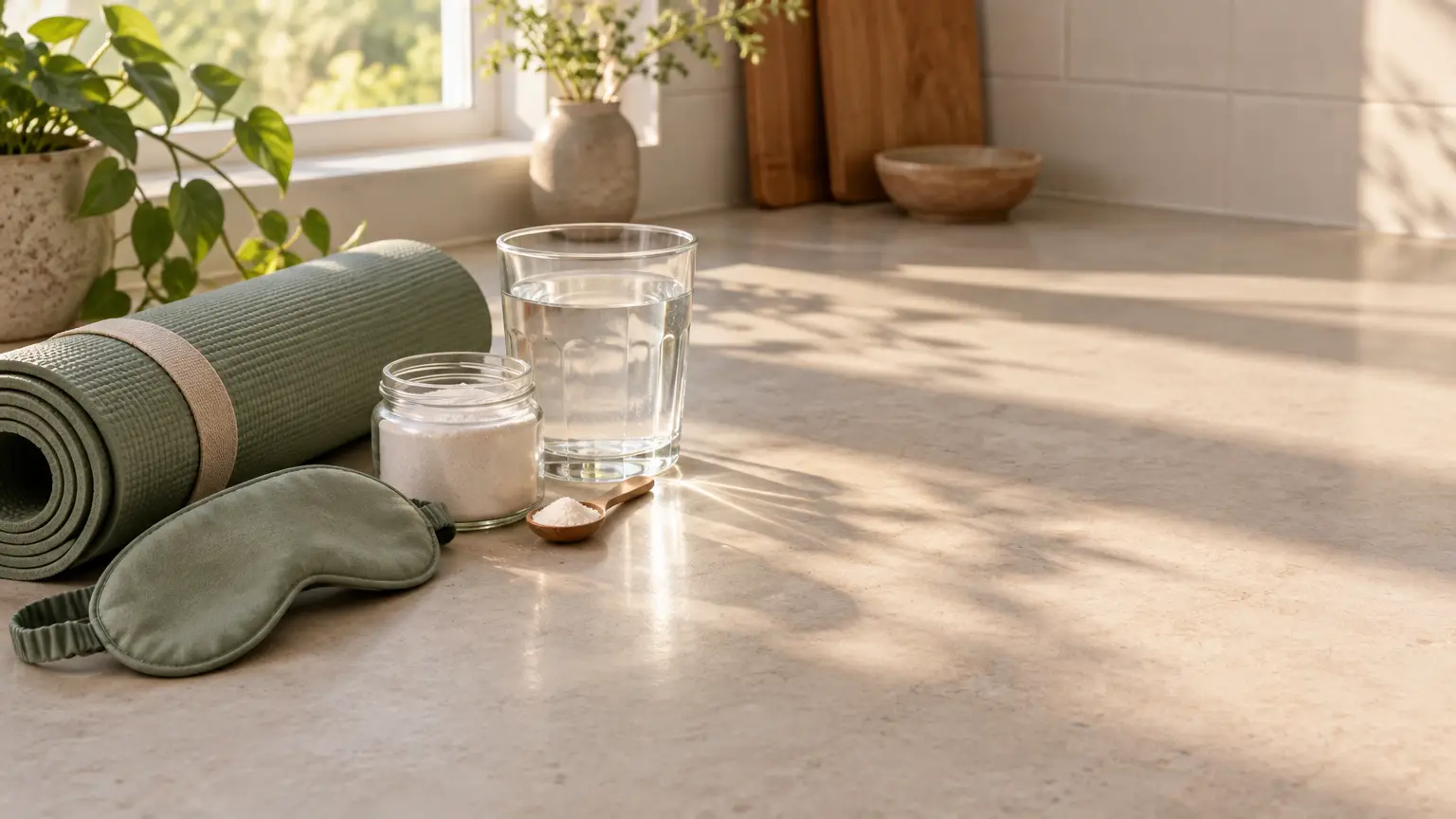
Functional beverages are expanding beyond traditional energy drinks and protein shakes. Consumers can now choose a powder drink mix featuring ingredients such as magnesium, electrolytes, vitamin D, ashwagandha or melatonin, depending on whether the formula is designed around hydration, relaxation or nighttime routines. These convenient powders can be mixed with water, making them appealing for travel, workdays or evening rituals.
Magnesium contributes to normal muscle and nerve function, while electrolytes help maintain fluid balance. Melatonin may help with certain sleep-timing difficulties, although it isn’t appropriate for everyone. Ashwagandha has attracted interest for stress management, but evidence remains limited and potential medication interactions deserve attention. The appeal of functional drinks lies partly in their simplicity, allowing people to incorporate specific ingredients into familiar daily habits without adding another complicated routine.
Recovery Takes Priority Over Intensity
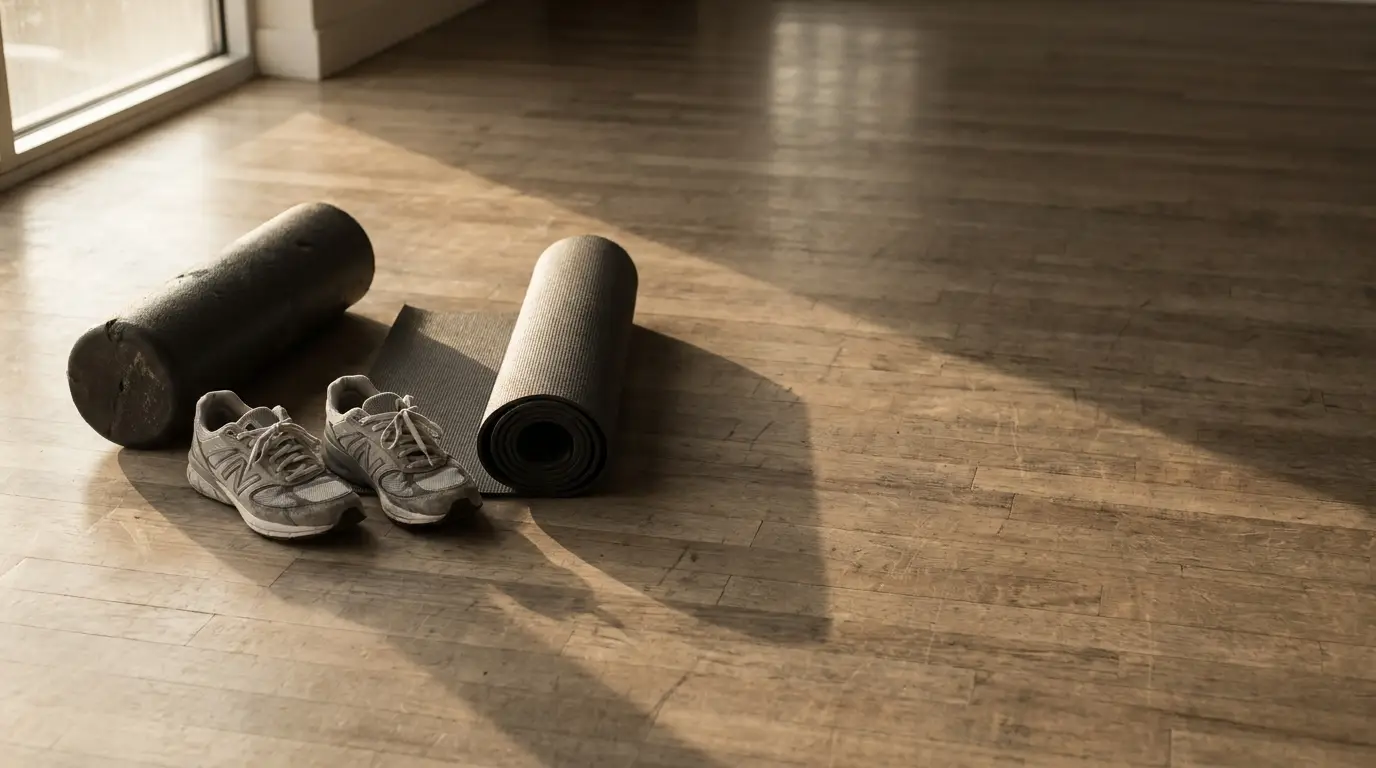
The fitness conversation is becoming increasingly interested in what happens between workouts. Instead of measuring progress exclusively through calories burned or hours spent exercising, people are paying closer attention to recovery, mobility and sustainable movement. Pilates, stretching sessions, walking and lower-impact strength training offer alternatives to constantly pursuing maximum intensity.
Recovery-focused wellness also extends beyond exercise studios. Massage, sauna sessions and dedicated rest days are attracting interest from people who want movement to support their lives rather than dominate them. The benefits vary by practice, and not every fashionable recovery treatment has strong scientific backing. Still, building adequate rest into a fitness routine can help reduce fatigue and support consistent participation. Looking toward 2027, the appeal of exercise programs that accommodate changing energy levels and busy schedules seems particularly relevant.
Personalized Eating Replaces Rigid Rules
Nutrition is moving away from the idea that everyone should follow the same restrictive eating plan. Instead, greater attention is being given to individual preferences, dietary needs, activity levels and everyday routines. This approach to thoughtful nutrition encourages people to consider how food supports their energy, satisfaction and long-term health rather than treating every meal as a mathematical exercise.
Protein, fiber and minimally processed foods remain important considerations, but flexibility is equally valuable. A person who exercises regularly may have different nutritional requirements from someone managing a sedentary workday or navigating menopause. Meal planning can also reflect cultural traditions, budgets and family responsibilities. Personalized advice from qualified nutrition professionals offers a more reliable foundation than recommendations based entirely on social media trends. The goal is developing eating habits that remain practical long after enthusiasm for a particular diet fades.
Sleep Becomes a Luxury Priority
Sleep is increasingly being treated as an essential part of personal well-being rather than whatever happens after everything else gets done. Interest in evening rituals, comfortable bedding, bedroom lighting and consistent schedules reflects a broader appreciation for the connection between rest and daily functioning.
Some people are experimenting with sleep-tracking devices, temperature-controlled bedding and relaxation practices designed to make bedtime more inviting. Others are discovering that simpler changes can be equally worthwhile. Maintaining regular sleep and wake times, reducing late caffeine consumption and creating a dark, comfortable bedroom can support healthier sleep habits. Wearable technology may reveal useful patterns, but nightly scores shouldn’t become another source of anxiety. As sleep-focused products continue evolving, the most appealing innovations will be those that complement healthy routines rather than making rest feel like another performance metric.
Social Wellness Gains New Attention
Wellness has traditionally emphasized individual habits, but social connection is becoming a more visible part of the conversation. Walking groups, communal fitness classes, creative workshops and alcohol-free social gatherings offer opportunities to combine personal interests with meaningful interaction. For people whose schedules revolve around work and family responsibilities, these experiences can provide a welcome alternative to another solitary self-care activity.
The attraction goes beyond entertainment. Supportive relationships are associated with better emotional well-being, while shared activities can encourage consistency and enjoyment. A weekly walking date or neighborhood yoga class may be easier to maintain when participation also means spending time with friends. Looking ahead, wellness experiences that encourage genuine connection could become increasingly appealing to consumers seeking a healthier balance between digital convenience and real-world relationships.
A More Personal Future for Wellness
The most interesting wellness developments aren’t necessarily the most expensive or elaborate. From functional drinks to restorative movement and stronger social connections, the direction is toward habits that feel manageable and personally meaningful. Heading into 2027, the strongest wellness choices will remain those supported by evidence and suited to individual needs.