Discover Unique Handmade Products for Meaningful Gifts and Home Décor

Shopping has become a little too predictable lately.
You open an online store, scroll through dozens of listings, and after a while everything starts looking exactly the same. The same colors, the same designs, even the same product photos. It’s convenient, sure, but it doesn’t always feel personal.
That’s probably why so many people have started looking for unique handmade products instead of factory-made items. There is something refreshing about owning something that wasn’t produced in thousands of identical copies. It feels more meaningful, and honestly, it usually comes with a story.
Handmade doesn’t always mean expensive either. That’s a common misunderstanding.
Many independent makers spend hours creating items that are reasonably priced because they genuinely enjoy their craft. They are artists, woodworkers, ceramic makers, jewelry designers, painters, knitters, and countless other creative people who turn everyday materials into something memorable.
That difference matters.
A handcrafted mug may have tiny variations in its glaze. A leather wallet develops character over time. A knitted blanket might not be perfectly symmetrical, but that’s exactly what gives it charm.
Perfection isn’t always the goal.
Sometimes personality is.
One of the easiest places people discover independent creators is Etsy. The platform has become well known for connecting buyers with small businesses and creative sellers from around the world, making it easier to find items that aren’t available in regular retail stores.
Still, finding something special takes a little patience.
The first listing isn’t always the best one.
I usually spend a few extra minutes reading descriptions instead of only looking at photos. Sellers often explain how an item is made, what materials they use, and why they started creating it in the first place. Those little details make shopping feel surprisingly personal.
Reviews help too.
Not just the star rating. Read what people actually say.
Did the item arrive exactly as shown? Was the seller responsive? Did the quality exceed expectations? Those comments often reveal much more than a perfect five-star score.
Customization is another reason handmade shopping stands out.
Imagine buying a necklace engraved with someone’s initials. Or a wooden cutting board featuring a family name. Maybe a watercolor portrait of a beloved pet.
Those gifts are difficult to replace because they weren’t chosen from a generic shelf. They were made for one specific person.
That’s something people remember.
Handmade home décor has become incredibly popular as well.
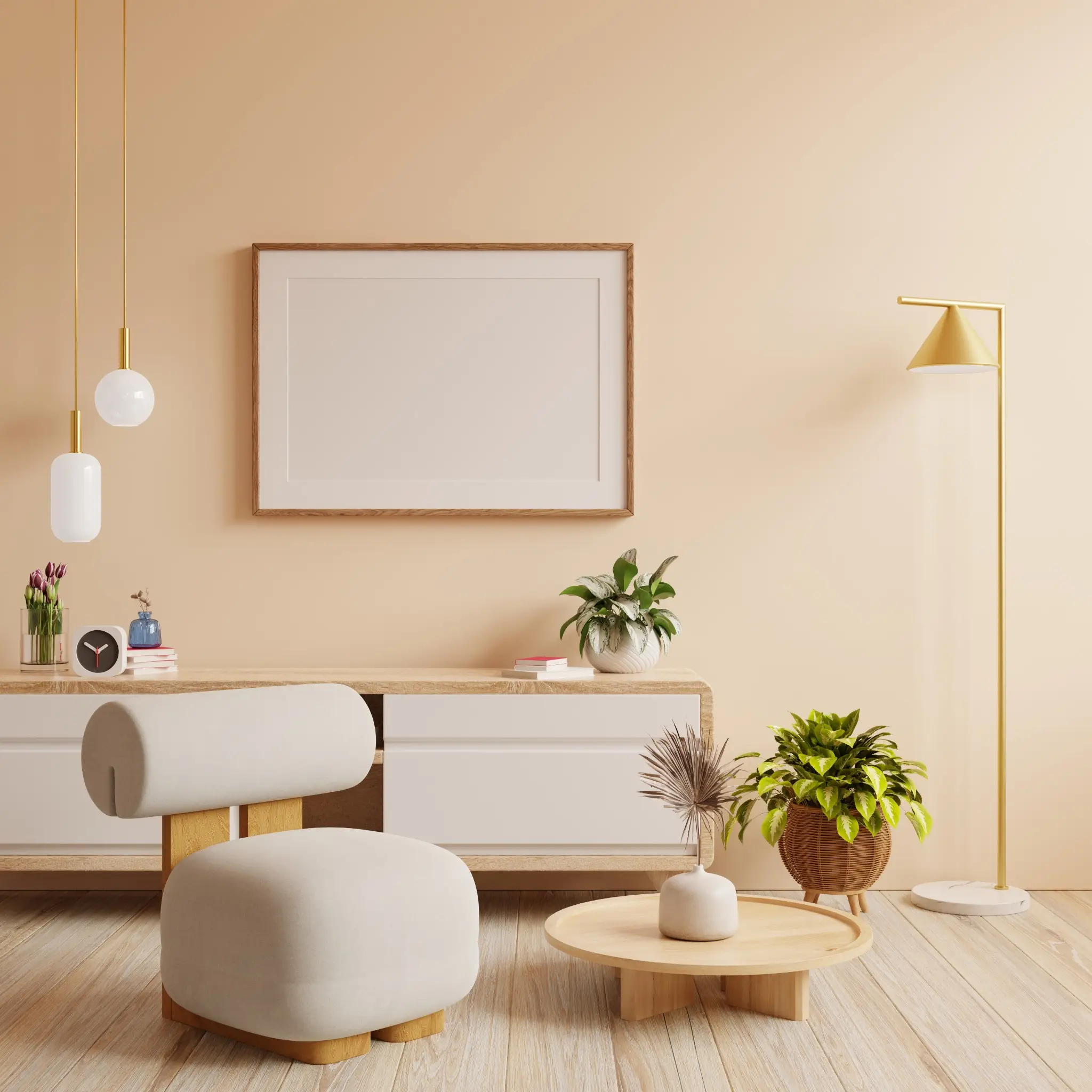
Instead of decorating every room with mass-produced pieces, many homeowners mix in handcrafted artwork, woven baskets, ceramic planters, or wooden shelves. The result usually feels warmer and much more inviting.
It doesn’t have to match perfectly.
Actually, it probably shouldn’t.
Real homes have personality. A few handmade pieces can make even a simple apartment feel comfortable without requiring a complete redesign.
Jewelry is another category worth exploring.
Mass-produced accessories often follow seasonal trends. Handmade jewelry feels different because many creators design according to their own artistic style rather than whatever happens to be fashionable that month.
You end up wearing something fewer people own.
That alone makes it more interesting.
If you’re shopping for children, handmade toys and nursery decorations are often wonderful choices too. Many makers focus on natural materials, careful craftsmanship, and thoughtful designs instead of flashing lights and loud sounds.
Parents tend to appreciate that.
Gift shopping becomes easier once you start thinking this way.
Instead of asking, “What should I buy?” try asking, “What would make this person smile every time they see it?”
The answers usually become much clearer.
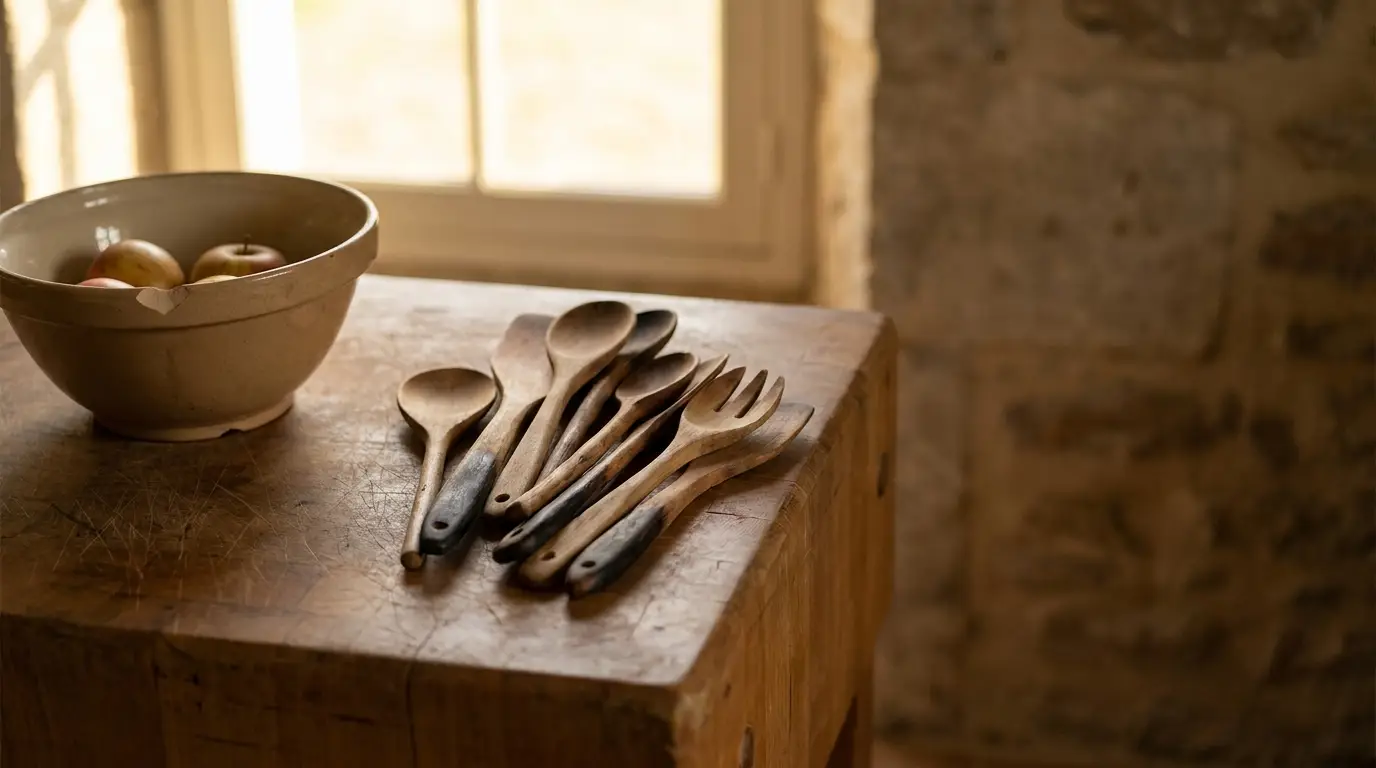
Someone who enjoys cooking might love handcrafted kitchen utensils.
A plant lover could appreciate a ceramic planter made by an independent artist.
Book lovers often enjoy personalized bookmarks or hand-bound journals.
Pet owners? There are countless custom illustrations and accessories available.
The possibilities are almost endless.
Of course, not every listing deserves immediate trust.
Look closely at product photos. Read shipping information carefully. Check whether measurements are clearly listed. Handmade items sometimes require additional production time because they’re created after the order is placed.
That isn’t necessarily a drawback.
Good work often takes time.
Many buyers actually appreciate knowing their purchase wasn’t sitting in a warehouse for months.
One thing most people overlook is communication.
If you have questions, ask them.
Independent sellers are usually happy to explain materials, sizing, customization options, or delivery timelines. The interaction often feels much friendlier than dealing with automated customer service.
That’s one of the nicest parts of supporting small creators.
You’re talking to the person who actually made the product.
Not a call center.
Not a chatbot.
An actual human.
Environmental impact is another reason some shoppers prefer handcrafted goods.
Large-scale manufacturing often involves enormous production runs, excess inventory, and unnecessary waste. Many artisans create smaller batches based on demand, which can reduce overproduction. Some even recycle materials or use responsibly sourced supplies whenever possible.
Every creator works differently, of course.
Still, it’s encouraging to see businesses paying attention to sustainability.
Another platform that many shoppers explore alongside Etsy is local artisan markets. Weekend craft fairs, seasonal festivals, and neighborhood exhibitions often introduce talented creators who don’t spend much time advertising online.
Walking through those markets feels different.
You can ask questions.
Touch the materials.
Watch demonstrations.
Sometimes you even meet the artist while they’re working.
That’s hard to replicate through a screen.
Prices occasionally surprise people.
Some handmade items cost more than mass-produced alternatives.
That makes sense if you think about it.
You’re paying for someone’s skill, creativity, materials, and time rather than automated production lines. While every purchase doesn’t need to be handcrafted, choosing quality over quantity every once in a while often feels worthwhile.
Many people also find themselves buying fewer things because they value them more.
That’s not a bad habit.
The search for unique handmade products isn’t really about collecting expensive objects.
It’s about surrounding yourself with pieces that feel genuine.
A coffee mug that reminds you of a vacation.
A painting created by an artist whose work made you stop scrolling.
A personalized gift that becomes part of someone’s memories instead of ending up in a drawer.
Those moments are difficult to manufacture.
And maybe that’s exactly the point.
The next time you’re shopping for yourself or someone you care about, slow down a little. Browse thoughtfully. Read the stories behind the products. Support creators whose work speaks to you.
You might spend a few extra minutes searching.
You might even spend a little more money.
But there’s a good chance you’ll end up with something that feels far more valuable than another ordinary purchase.
That’s what makes handmade creations worth discovering.
And yes, that’s why so many people continue returning to Etsy whenever they’re looking for something that simply doesn’t feel mass-produced.