5 Ways to Make Flatpack Cabinets Look More Custom

Flatpack cabinets are popular for a reason. They make renovations more accessible, are practical to plan around, and can work well in kitchens, laundries, wardrobes, pantries, and everyday storage spaces.
But while the cabinet boxes themselves can provide a solid foundation, the finished look often comes down to the details you actually see. Doors, drawer fronts, side panels, handles, fillers and finishes all influence whether your cabinetry looks standard or more considered.
The good news is that you don’t always need fully custom joinery to create a more elevated result. With the right design choices, flatpack cabinets can achieve a polished, built-in look that’s more tailored to your home.
1. Upgrade Doors and Drawer Fronts
If you want flatpack cabinetry to look more custom, start with the most visible surfaces: the doors and drawer fronts.
These are the parts you see every day, so they have the biggest impact on the room’s overall look. Standard flatpack fronts can be practical but changing them can bring a designer finish to the entire cabinet system.
This is where profile, colour, texture and finish matter.
A simple flat door can create a clean, modern look, while a shaker-style or detailed profile can add softness and character. Woodgrain finishes, warmer neutrals, matte textures and deeper colours can also make cabinetry feel more connected to the rest of the home.
Brands such as Fliplab create custom doors, drawer fronts and panels for flatpack systems like IKEA and Kaboodle, allowing you to keep the practical cabinet foundation while upgrading the surfaces that define the finished room.
2. Finish Every Visible Side
Walk through a well-designed kitchen, and you’ll notice something subtle — the cabinetry feels intentional from every angle.
That’s because great cabinetry isn’t defined by the doors alone. Exposed cabinet ends, pantry sides, island backs and laundry return panels are all part of the finished design. When these surfaces are left as plain whiteboards or unfinished ends, they can undermine an otherwise polished space.
Adding matching panels creates visual continuity, making the cabinetry feel cohesive and built into the room rather than assembled from standard components. It’s a subtle detail, but one that designers rely on to achieve a more refined, custom-looking result.
3. Pay Attention to Gaps, Fillers and Alignment
Custom-looking cabinetry is not only about the big design choices. It is also about the small finishing details.
Uneven gaps, awkward fillers and poorly aligned doors can make cabinetry feel less considered. Even if the cabinet fronts are beautiful, the overall result can look unfinished if the spacing is inconsistent.
Fillers are especially important where cabinets meet walls, ceilings, appliances and corners. They help close awkward gaps and create a cleaner transition between the cabinetry and the room itself.
Door and drawer alignment also matters. Consistent spacing between fronts, even shadow lines and neat reveals all help flatpack cabinets feel more polished. These details may seem minor, but they are often what separates a standard-looking installation from one that feels more custom.
4. Choose Finishes That Complement the Whole Room
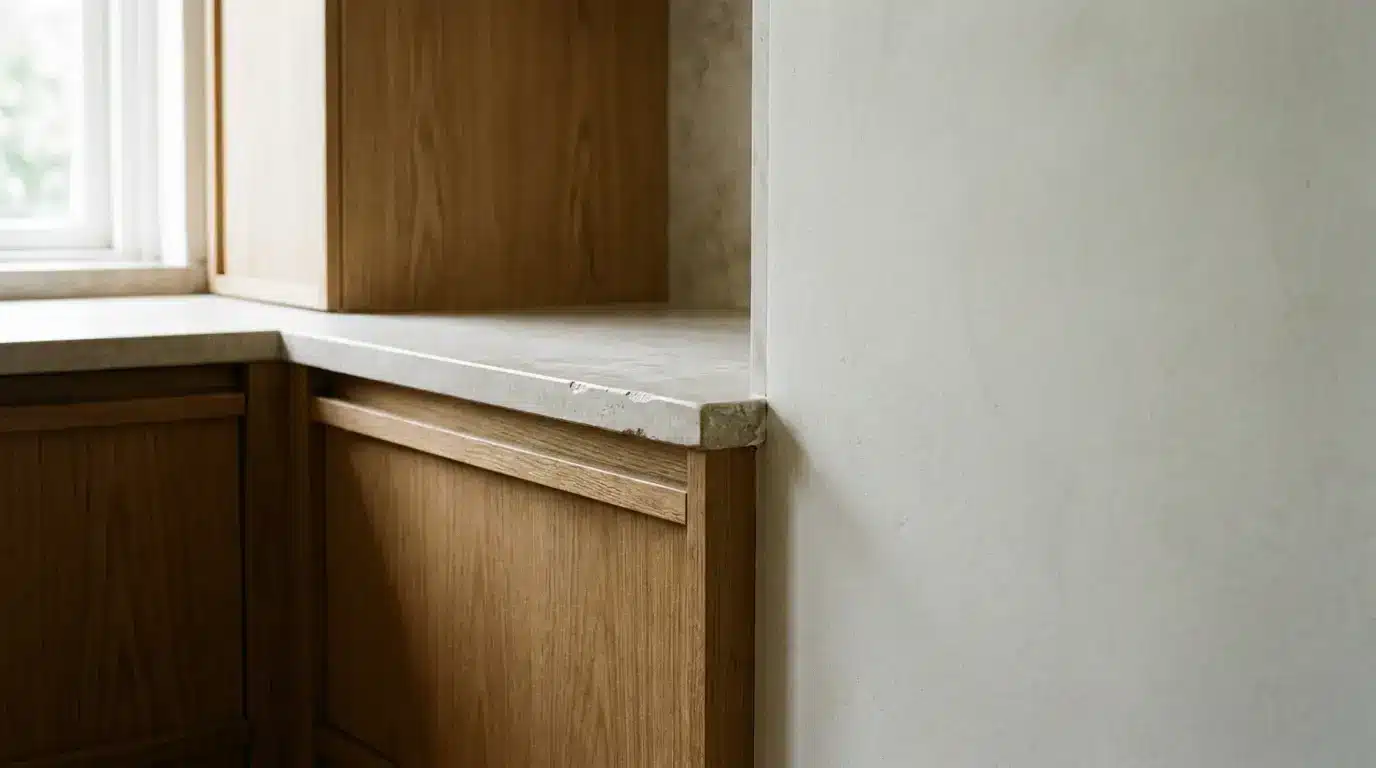
Cabinetry occupies a significant amount of visual space, so its finish should work with everything around it.
Before choosing a colour or texture, look at the rest of the room. Consider how your cabinet fronts will interact with flooring, benchtops, splashbacks, paint colours, lighting and hardware. The cabinetry does not need to match everything exactly, but it should feel connected to the overall design direction.
For example, warmer woodgrains can soften a white kitchen or laundry. Matte finishes can feel more understated and modern. Soft neutrals can create a calm, timeless look, while deeper colours can add contrast and depth.
If you’re working with a flatpack system, it’s also worth looking beyond the standard finish options. For instance, Fliplab offers a wide range of colours, finishes and profiles for flatpack cabinetry, giving you more flexibility when creating a look that suits the rest of your home.
5. Treat Hardware as a Design Feature
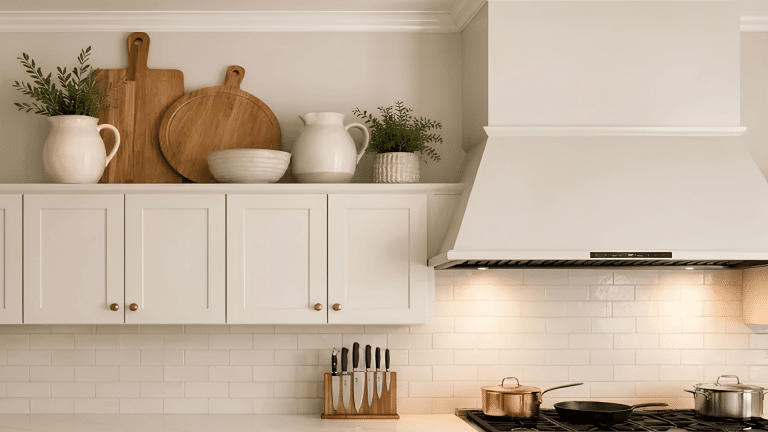
Handles, knobs, pulls and handleless details can also change how custom your cabinetry feels.
A slim handle can make a kitchen look more contemporary, while small knobs can work beautifully with a more traditional profile. Handleless cabinetry can create a clean, architectural feel when it’s planned properly. Whatever you choose, the style and placement should feel consistent and intentional across cabinets and drawers to create a more cohesive result.
The surrounding details matter just as much. Lighting, shelving, décor and the materials around the cabinetry all influence how cabinetry is perceived. A laundry with matching panels, a simple benchtop and considered storage baskets can feel far more finished. A kitchen with upgraded fronts, neat hardware and warm lighting can have a more designer look.
The Details Make the Difference
The aim is not to make flatpack cabinetry look like something it is not. The aim is to make it feel resolved, cohesive and right for your home.
Flatpack cabinetry provides an excellent foundation for creating a functional home, but the finished result depends on the visible details. By upgrading cabinet fronts, resolving exposed sides, choosing considered finishes and paying attention to hardware and alignment, you can create cabinetry that feels tailored to your space without investing in completely bespoke joinery.