How to Incorporate Rugs Into Your Home

Rugs are one of the easiest ways to change how a room looks and feels. They can add warmth, introduce color, define spaces, and make a home feel more finished without requiring a major redesign. Whether your style is calm and minimal, bold and creative, or somewhere in between, the right rug can help bring everything together.
The key is knowing where to place rugs, how to choose the right size, and how to make them feel like a natural part of your home.
Use Rugs to Define Different Areas
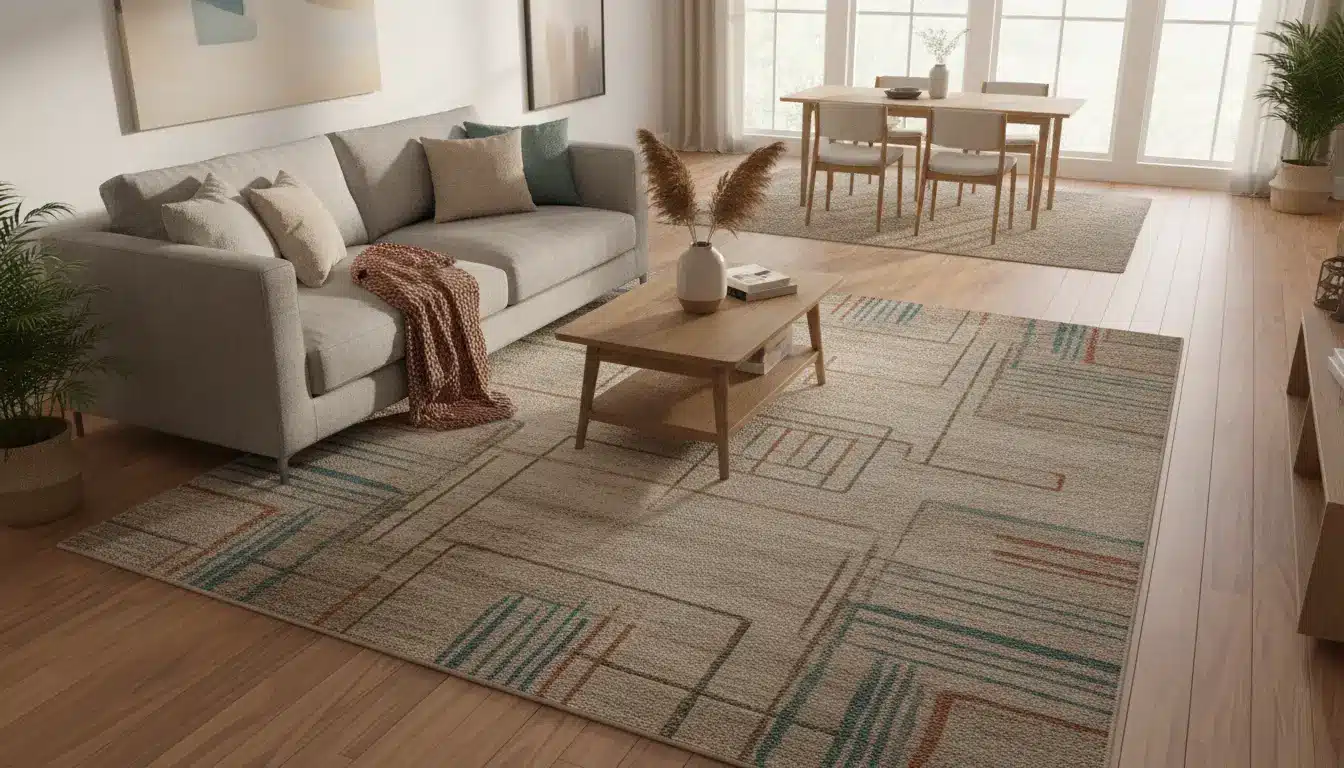
Rugs are especially useful in open-plan homes, where one large space may need to serve several different purposes. A rug beneath a dining table can help separate the eating area from the living space, while another under a sofa and coffee table can create a more intimate seating zone.
This works well because rugs act as visual boundaries. They tell the eye where one area starts and another ends, without the need for walls, screens, or bulky furniture. For the best effect, choose a rug that is large enough to sit comfortably beneath the main pieces of furniture in that zone.
Add Warmth to Hard Flooring
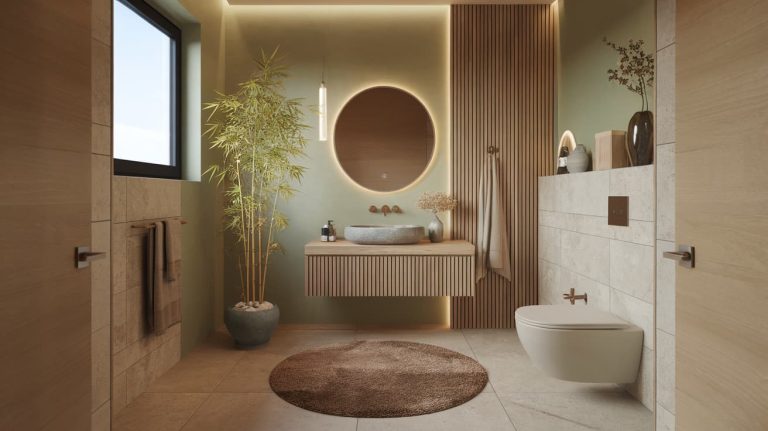
Wood, tile, and concrete floors can look beautiful, but they can sometimes feel cold or echoey. A rug instantly softens the space, making it feel more comfortable and inviting. This is particularly helpful in living rooms, bedrooms, hallways, and home offices.
In bedrooms, placing a rug under the bed or on either side can make mornings feel much cozier. In hallways, runners can add personality while also making narrow spaces feel less bare.
Introduce Color and Pattern
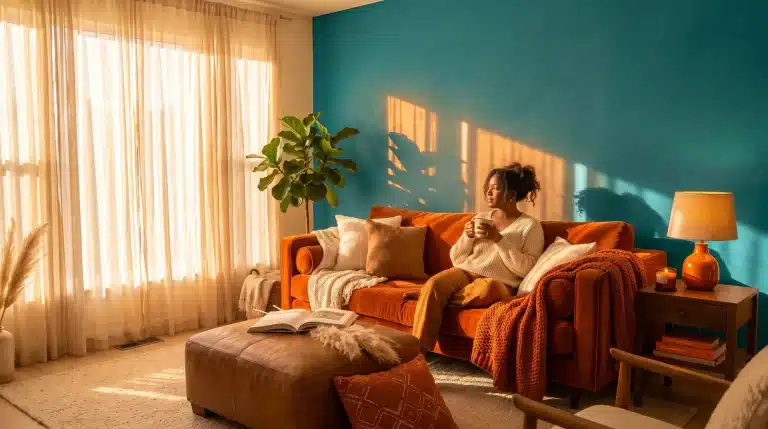
If your home is decorated in neutral tones, rugs are a great way to add interest without overwhelming the room. A patterned rug can become a focal point, while a softer design can add subtle depth.
For more contemporary homes, modern rugs can work especially well, as they often combine clean lines, interesting textures, and fresh color palettes. They can help a room feel stylish while still remaining practical and comfortable.
Layer Texture for a More Finished Look
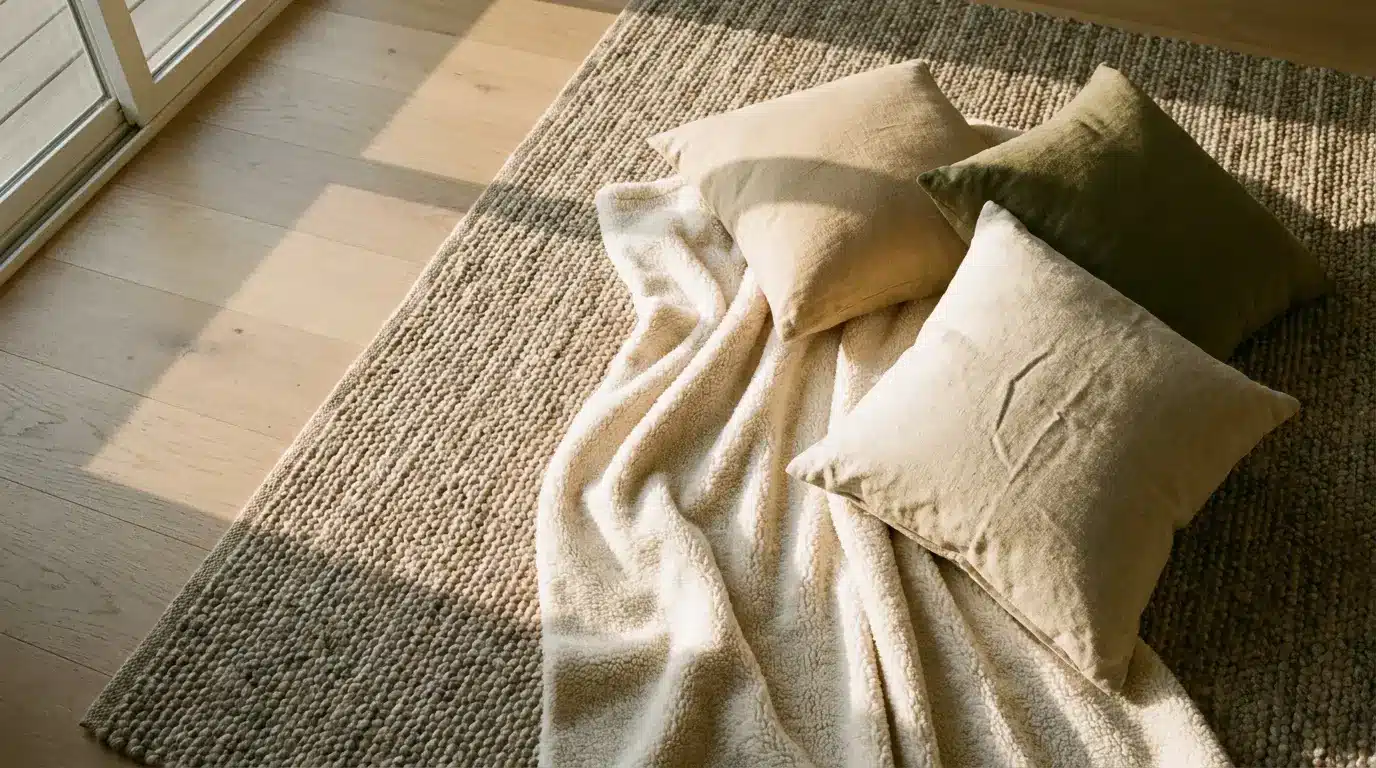
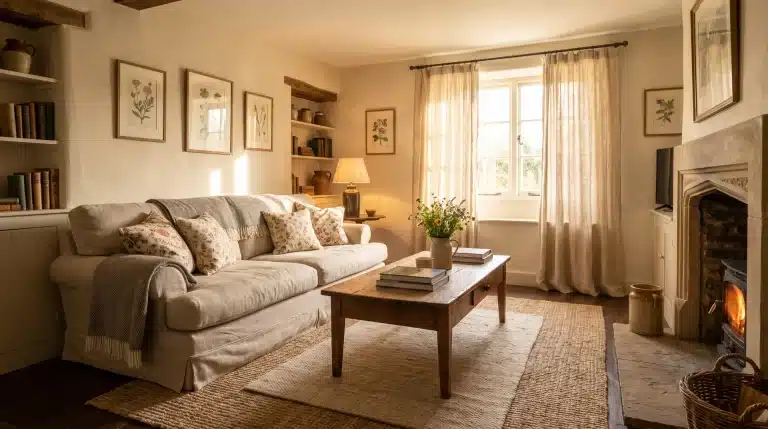
Rugs do not just add color. They also bring texture, which is important for making a room feel complete. A flat, simple space can quickly feel more welcoming when you introduce woven, plush, or patterned materials underfoot.
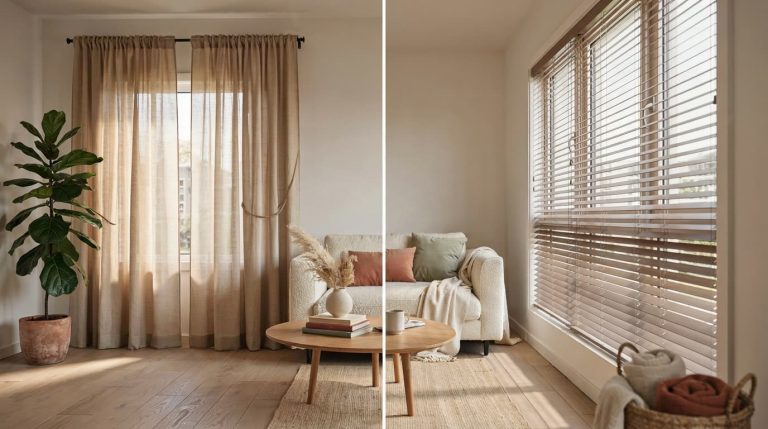
Try pairing a rug with other soft furnishings, such as cushions, throws, and curtains. These layers help create a balanced room that feels considered rather than empty.
Choose the Right Size
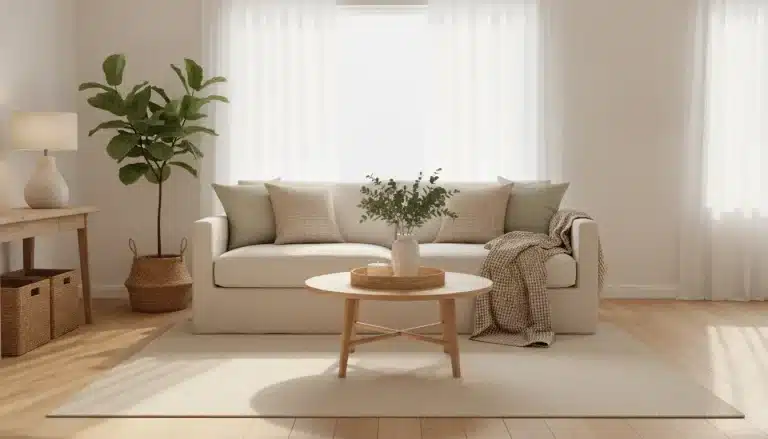
One common mistake is choosing a rug that is too small. In a living room, the rug should ideally sit under at least the front legs of the sofa and chairs. In a dining room, it should extend beyond the table enough for chairs to remain on the rug when pulled out.
A well-sized rug makes the room feel more generous and cohesive. A rug that is too small can make furniture feel disconnected.
Conclusion
Rugs are practical, decorative, and versatile. They can brighten a quiet corner, ground a busy room, or make a large space feel more comfortable. By thinking carefully about size, placement, color, and texture, you can use rugs to make your home feel more personal, stylish, and complete.