
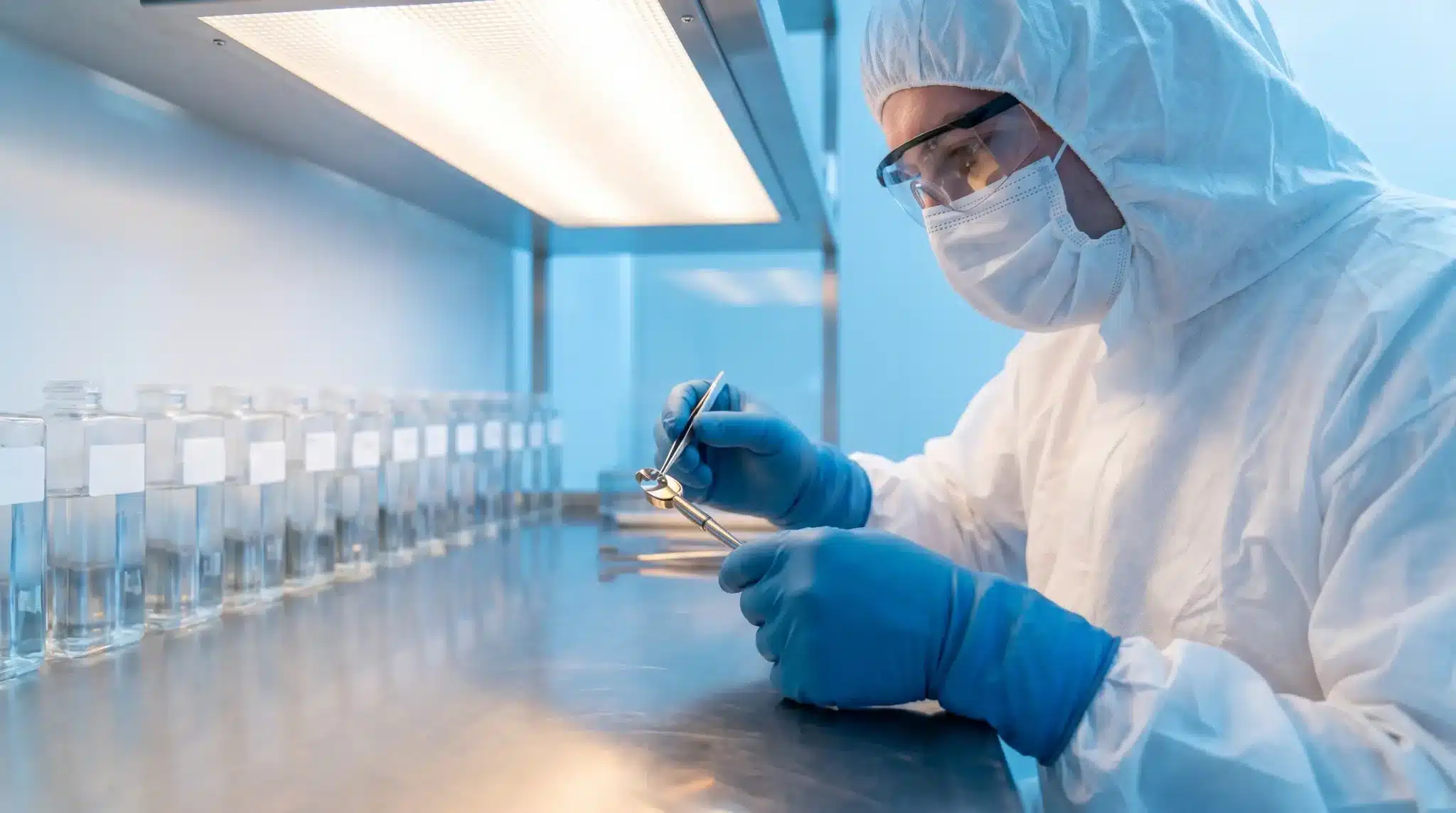
How High-Purity Solvents Impact Medical Device Safety

Medical devices move through long and carefully controlled production lines before they ever reach a hospital or clinic. During that process, manufacturers rely on specialized cleaning agents and solvent systems to help reduce contamination risks and maintain sterile conditions. Many CDA-12A process applications support these behind-the-scenes manufacturing stages, helping facilities maintain consistency, cleanliness, and patient safety standards without the substances ever coming into direct contact with patients.
Clean Manufacturing Starts Long Before a Device Reaches a Patient
Medical devices are expected to meet extremely strict safety standards. Even microscopic contamination can create serious problems once a device enters a surgical room or clinical setting. That pressure pushes manufacturers to pay close attention to every stage of production, especially cleaning and sterilization support processes.
High-purity solvents are the quiet players in these procedures. They are typically used to remove residues, oils, particulates, or industrial detritus from equipment and device components. Contaminants as minute as fingerprints on glass might be missed on surfaces without appropriate cleaning.
Many industrial facilities use mixtures of denatured ethanol because it evaporates quickly and leaves little residue. That’s important when manufacturers require surfaces to remain clean without adding more particles to delicate settings. It sounds like a regular process, but there is very little margin for error.
Why Residue Control Matters in Medical Manufacturing
The materials used to construct medical equipment must remain precise and stable. Later on in the process, small amounts of residue may cause problems with coatings, adhesives, or sterilization techniques. Contamination may even affect a device’s functionality after it has been packaged and shipped.
Manufacturers closely monitor solvent purity levels for this reason. Impurities found in lower-grade materials may accumulate or leave residues after washing. High-purity solutions promote more dependable manufacturing results and lessen that risk.
Facilities that handle implants, surgical tools, or diagnostic equipment frequently function in regulated settings with continuous monitoring of airborne particles. Solvents are handled in these areas as if they were supporting players in a play. The performance collapses without them, even if they are not the main focus.
When discussing industrial solvent formulas utilized in sensitive manufacturing environments, cda 12a, is frequently brought up. These solutions are appreciated for meeting stringent cleaning regulations and assisting in the maintenance of controlled industrial environments.
Sterile Production Depends on Consistency
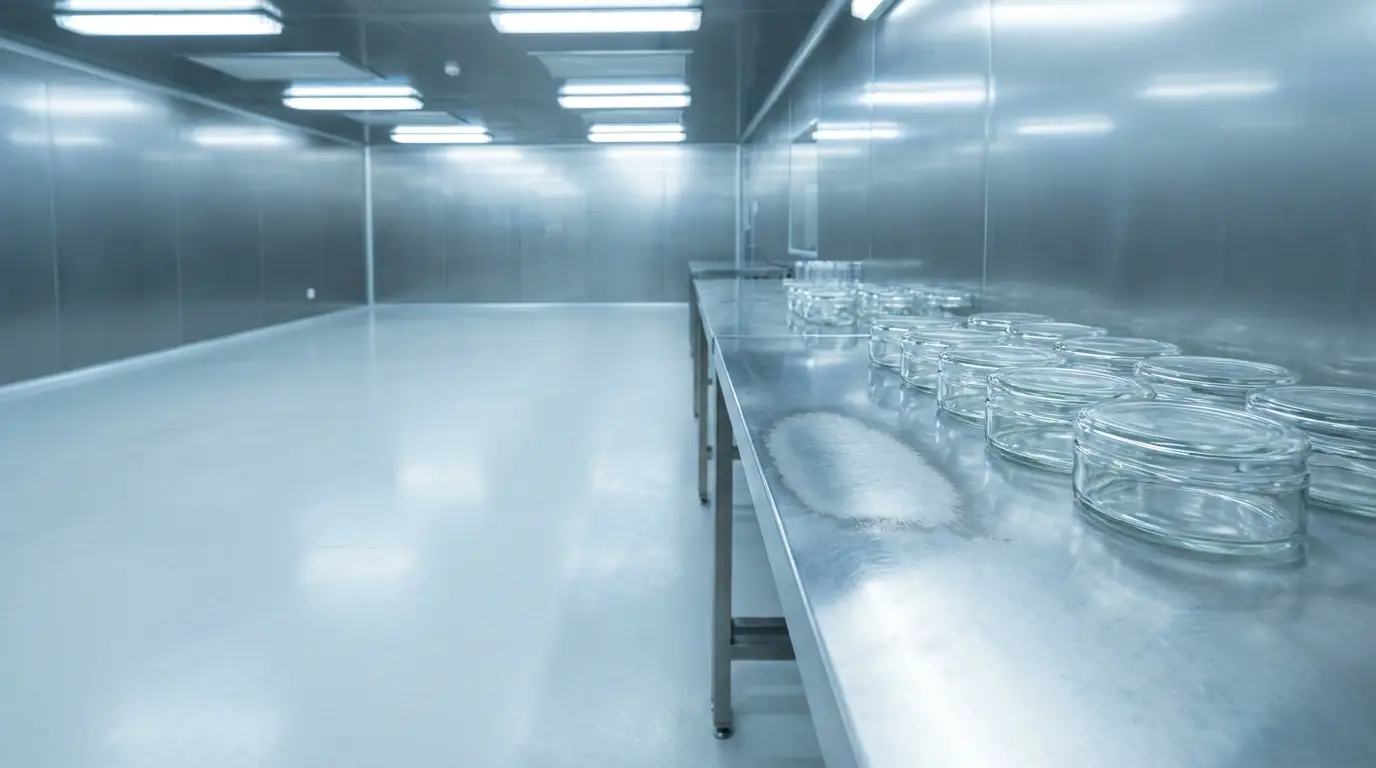
One of the main issues in medical manufacturing is consistency. A device made today has to meet the same standards as one made months later. By making cleaning processes predictable and quantifiable, solvent systems contribute to that uniformity.
For cleaning, drying, and inspecting surfaces, manufacturers typically have comprehensive procedures. Consistent solvent compositions allow workers and automated systems to repeat the same process without causing unanticipated variations. Speed is just as important as dependability in industries with strict standards.
It is also important to remember that the patients are not in close contact with these chemicals. Rather, they support the sterile manufacturing process that surrounds the actual device. Consider them the concert’s backstage staff. Even though they are never seen by the audience, they ensure that everything goes smoothly and safely. In the production of medical devices, organizations still place a high priority on preventing contamination and on production controls. These guidelines help facilities maintain safe conditions all the way through the manufacturing process.
The Link Between Cleaning Standards and Patient Safety
Patient safety often begins far away from hospitals and operating rooms. It starts inside production facilities, where equipment, tools, and device surfaces are repeatedly cleaned before packaging and sterilization. When manufacturers cut corners during these early stages, the risks can travel downstream.
Contamination is not always dramatic or visible. Sometimes it involves particles too small to notice with the naked eye. Other times, it may involve trace residues that interfere with the effectiveness of sterilization. That is why solvent selection becomes part of a much larger quality-control system.
High-purity solvent systems are also important because they support modern manufacturing efficiency. Many facilities produce large volumes of devices every day, and cleaning procedures must operate reliably under pressure. A solvent that dries quickly and leaves minimal residue helps reduce downtime while maintaining strict standards.
Research from organizations such as the Centers for Disease Control and Prevention has repeatedly highlighted the importance of sterilization and contamination control in healthcare manufacturing. Those principles influence how facilities design cleaning systems and production workflows today.
Precision Manufacturing Leaves Little Room for Error
Medical devices are becoming more advanced every year. More manufacturing precision is needed for smaller parts, delicate electronics, and specialty coatings. Cleaning techniques that were effective decades ago might not be up to par anymore.
Interest in precisely regulated solvent mixes and cleaning procedures has grown as a result of this change. When assessing the materials used in manufacturing, manufacturers now pay particular attention to evaporation rates, purity levels, and residue performance. Later on in the manufacturing or packaging process, even a minor irregularity might lead to more serious problems.
The procedure is more akin to setting up a laboratory than it is to running a conventional factory floor. Workers adhere to stringent protocols, environmental conditions are closely monitored, and materials are chosen for long-term dependability. Although they might not seem like much, solvents maintain the hygiene requirements that modern healthcare manufacturing depends on.
Conclusion
The clean, regulated environments required for safe production and contamination prevention are maintained by medical device makers using high-purity solvents. These materials are crucial components of sterile manufacturing systems that safeguard product integrity and promote patient safety, even though they are never meant for direct patient use. As medical technology continues to evolve, dependable cleaning processes and carefully managed CDA-12A process applications will likely remain critical parts of modern healthcare manufacturing.