

Building Smarter: The Science Behind Meticulous Planning and Design

Modern design is not a game of trial and error; it is miles a high-precision subject powered through statistics and superior technical integration. As urban landscapes become more complex, the margin of error decreases, necessitating a pivot to a closer treatment plan. This insight delves into how the integration of digital tools and business understanding creates sustainability, cost-effectiveness, and agility.
The development of the built environment is currently undergoing a rapid change. Historically, creative projects were plagued by delays, budget overruns, and fabric waste. Today, however, the company adopts a “degree twice, cut once” philosophy amplified by digital twins and predictive modeling. This transformation ensures that every structural detail, software line, and economic variable has been stress-tested in a digital environment before the final lever hits the ground.
Financial Architects of Modern Development
At the heart of every corona lies another mission-blue plan for financial feasibility. Professional building appraisers work because the financial architects of a building, translating complex architectural designs into granular statistical points. Their technical knowledge goes beyond just counting bricks; It requires in-depth information about market volatility trends, initiatives, and logistical constraints. By using mathematical precision to challenge scope, they mitigate the risks that typically derail large trends.
Construction estimators are the foundation of trust between developers and stakeholders. When a consultant takes a deeper distance, they are essentially laying out a roadmap for the project’s lifecycle. This process involves the following:
Quantitative analysis: Breaking down each physical component of the building.
Risk reduction: Identification of capability “black swan” activities within the supply chain.
Value Engineering: Suggest opportunity levels that keep enjoyable while reducing costs.

Precise Engineering Beyond Basic Blueprints
Moving from a monetary concept to a physical reality requires a level of precision that traditional hand-drawn drawings can no longer provide. The integration of BIM (Building Information Modeling) has revolutionized how we perceive spatial relationships within a form. This technological leap initiates “conflict detection,” where capacity conflicts—including a pipeline intersecting with structural capital—are diagnosed and resolved months before they escalate to critical subject failures.
The Technology Bridge to Productivity
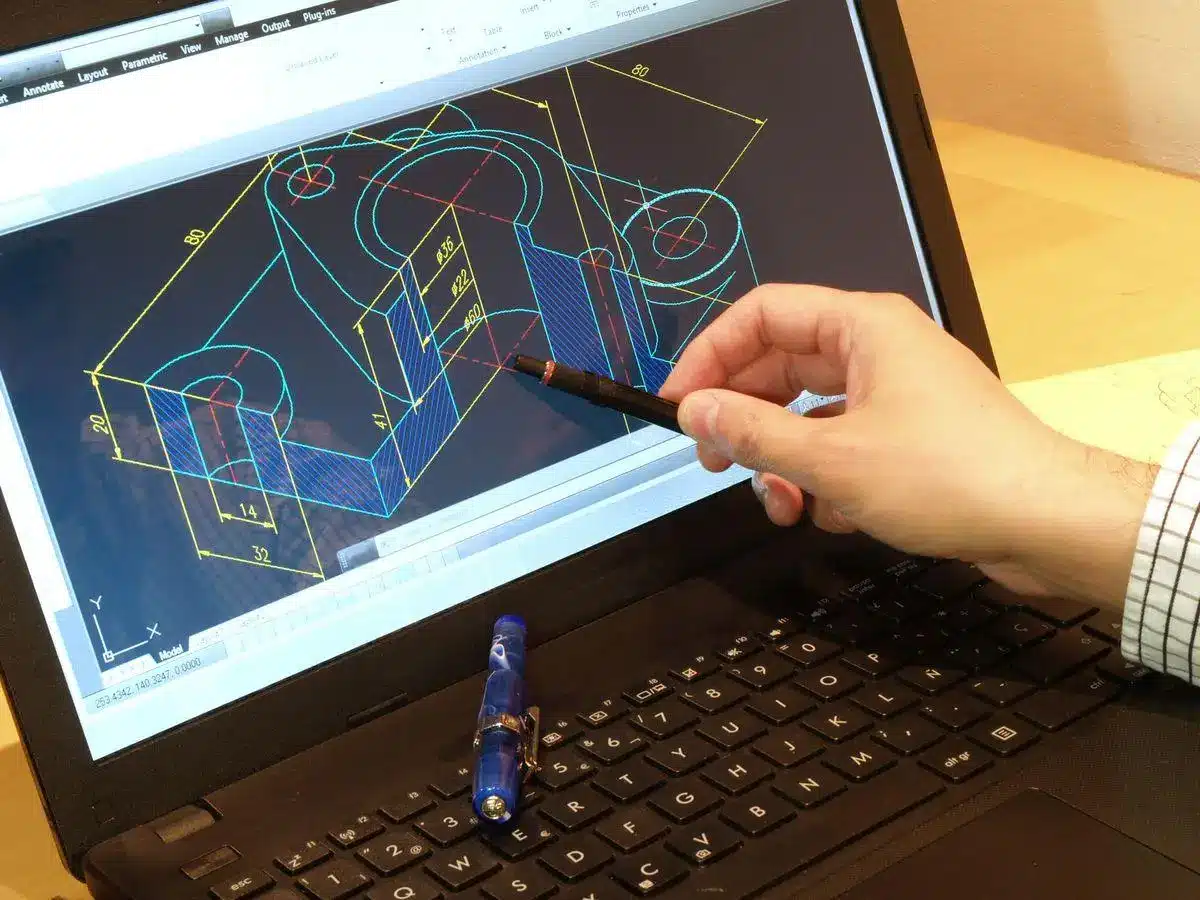
The transition from a conceptual comic to a buildable set of files is a delicate part where many functions lose their momentum. In particular, partnering with a CAD Drafting Company ensures that the architectural vision is supported through technical precision. These organizations use high-end software to provide multi-dimensional drawings that serve as a web-based “unmarried source of facts” for each contractor. The science here is in the details – making sure every millimeter is accounted for in the digital model.
Partnering with drafting experts provides several business enterprise benefits:
Standardization: Ensuring that all drawings adhere to international building codes and industry standards.
Interoperability: Create files that can be shared seamlessly between structural engineers, HVAC professionals, and interior designers.
Scalability: Enables companies to tackle larger, more complex initiatives without overextending internal resources.
Data-Driven Benefits: Modern manufacturing companies using unique estimation proposals see 20-30% reductions in material waste and dramatic increases in project timelines
Outsourcing Science of Prefabrication
For large infrastructure and commercial projects, the complexity of the budget often exceeds the capabilities of the residential crew. Custom manufacturing and speculation firms provide an aggressive edge by means of a complete focus on “pre-creation” technology. They provide specialized databases and proprietary algorithms to predict charges with surgical accuracy. Using their Construction Estimating Services, developers can secure additional financing without difficulty, as lenders are more likely to approve sponsored initiatives through professional 1/3rd birthday compliance audits.
The cost proposal for these special institutions includes, among other things:
Competitive bids: Contractors had to make winning but meaningful bids to provide data.
Feasibility study: Determining whether a project is worth investing in before committing capital.
Managing change sequences: Scientifically calculating the impact of mid-level design research.
Final Thoughts
The science of building smarter is a multifaceted endeavor that combines financial foresight with technical expertise. Every step from initial calculations performed using experts to complex digital fashions generated by expert drafters is designed to eliminate uncertainty. and innovation.
Frequently Asked Questions (FAQs)
1. Why is it so important to make detailed plans within the early stages?
Early-stage accuracy prevents exceeding the cost range and ensures that the mission is economically viable before making large capital commitments. Additionally, it builds trust with buyers and lenders.
2. How does virtual drawing improve actual manufacturing techniques?
Digital drawing provides detailed, layered drawings that allow specific teams (structural, electrical, plumbing) to work in harmony, significantly reducing errors and rebuilding websites
3. What is the advantage of using an external speculation company?
An external company offers a comprehensive suite of services, including market assessments, software-driven reports, and 0.33-party certification, which can be more focused and targeted than internal assessments.
4. Can clinical planning help sustainability?
Indeed. As fabric demands can be predicted and electrical performance simulated, medical planning reduces waste and access to erect more power-efficient green buildings