
The Art of Aging Well: How Technology Is Redefining Fitness After 60

Aging used to come with a pretty fixed image: slow walks, lighter routines, and a general step back from anything too physically demanding. But that picture doesn’t quite match what’s happening today. Walk into any modern fitness conversation and you’ll notice something different—people in their 60s, 70s, and even 80s are not just staying active, they’re training smarter, recovering better, and using technology in ways that would’ve sounded futuristic a decade ago.
What’s changing isn’t just fitness. It’s the entire idea of what it means to age gracefully.
Aging Gracefully Isn’t What It Used to Be
There was a time when “aging gracefully” meant accepting physical decline with calm dignity. Now, it’s shifting into something more proactive. It’s about maintaining strength, independence, and energy for as long as possible—and technology is quietly making that easier than ever.
Think about it. Wearable fitness trackers, guided workout apps, and adaptive equipment are no longer just for athletes or tech enthusiasts. They’re becoming everyday tools for older adults who want to stay in control of their health.
And honestly, that shift feels cultural as much as it is physical. We’re moving away from the idea of slowing down after a certain age and toward something more empowering: aging with intention.
The Quiet Rise of Smart Fitness at Home
One of the biggest changes in this space is happening right inside the home. Not everyone wants to go to a gym, especially later in life. Weather, mobility, comfort, or even confidence can all play a role in staying home instead.
That’s where the idea of a smart home gym for older adults is becoming a real game-changer. Instead of bulky, intimidating machines or complicated setups, we’re seeing compact, tech-assisted systems that adapt to the user’s needs.
This evolution is perfectly embodied by systems like the Speediance Home Gym. It replaces the intimidating racks of dumbbells and complex machines with a single, streamlined station. Through its digital resistance and interactive guidance, it delivers the core benefits of strength training—crucial for bone density and balance—in a format that feels safe and approachable. It demystifies the process, transforming the home into a personalized wellness space where confidence can grow alongside strength.
There’s something comforting about knowing you can exercise safely at home without second-guessing every movement. That peace of mind is what makes consistency possible, and consistency is where real change happens.
Technology as a Gentle Training Partner
One of the most interesting cultural shifts is how technology is becoming less about “performance tracking” and more about “supportive coaching.”
Instead of pushing people to compete or hit extreme goals, modern fitness tools for older adults focus on sustainability. They remind you to move. They adjust intensity when needed. Some even monitor posture or range of motion to reduce strain.
It’s almost like having a quiet training partner who doesn’t judge, rush, or overwhelm you.
And that’s important because motivation at this stage of life isn’t about competition. It’s about feeling good, staying independent, and being able to do everyday things—climbing stairs, carrying groceries, playing with grandkids—without discomfort.
Strength Training Is Changing the Narrative
For years, strength training was misunderstood when it came to older adults. Many people assumed it was too risky or unnecessary. But modern research and lived experience tell a very different story.
In reality, resistance exercise is one of the most effective ways to maintain independence as we age. It supports bone density, improves balance, and helps protect against injury. In simple terms, it keeps the body functional.
That’s why strength training for seniors is no longer a niche idea—it’s becoming a mainstream recommendation.
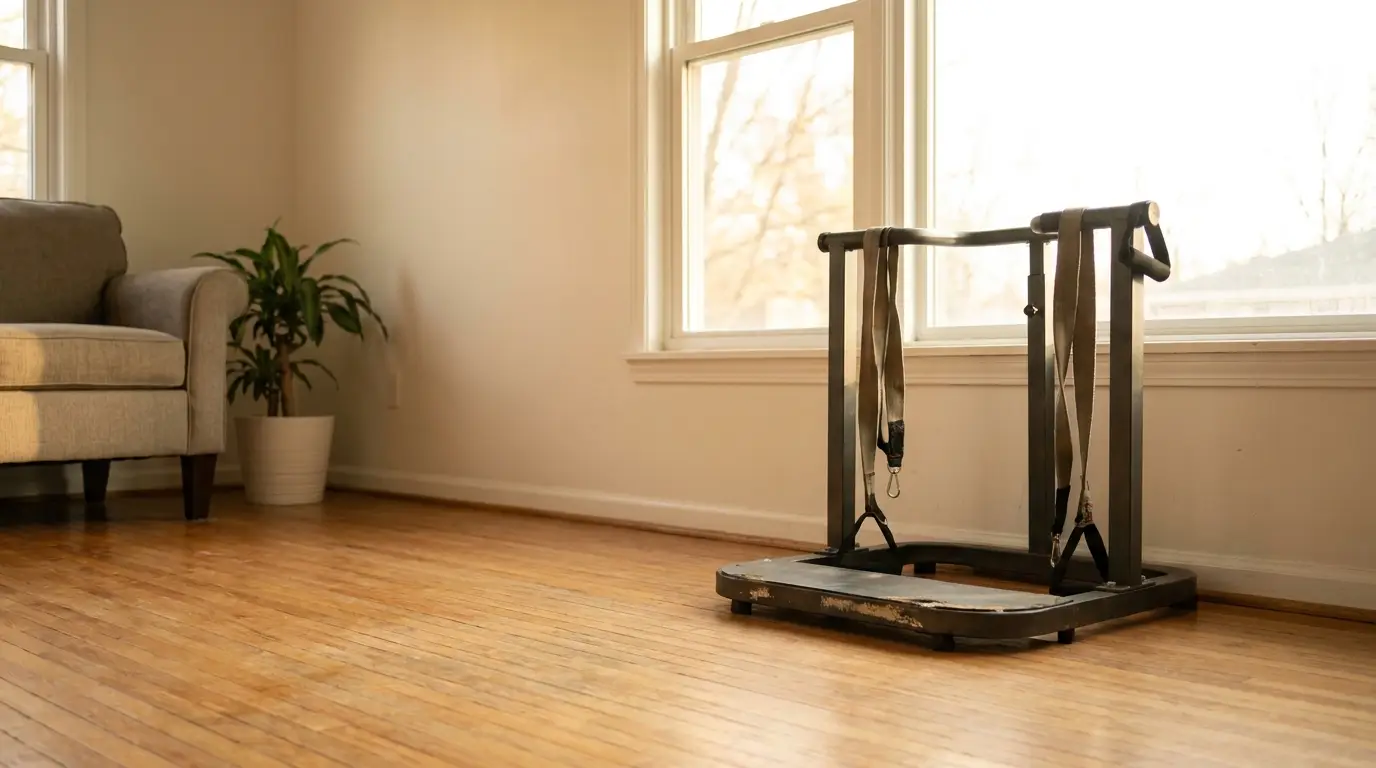
And what’s interesting is how technology is making it more accessible. Instead of heavy barbells or complex machines, many systems now offer guided resistance that adjusts automatically. You don’t have to guess the right weight or worry about overdoing it. The system adapts with you.
That kind of support changes everything. It removes fear, which is often the biggest barrier to starting in the first place.
A More Personal Approach to Fitness
Another subtle but important shift is personalization. Not just in workouts, but in how fitness fits into daily life.
Older adults today aren’t following one-size-fits-all programs. They’re choosing routines that match their energy levels, medical needs, and personal goals. Some want to stay mobile for travel. Others want to stay strong enough to live independently in their own homes for as long as possible.
Technology makes this easier by learning from patterns over time. If you’re more active in the morning, it adjusts reminders accordingly. If you struggle with certain movements, it offers modifications instead of pushing through pain.
It’s a much more humane approach to fitness. Less rigid, more responsive.
The Emotional Side of Staying Strong
We often talk about fitness in physical terms—muscles, stamina, flexibility. But there’s an emotional layer too, especially later in life.
Staying active isn’t just about health numbers. It’s about confidence. It’s about feeling capable in your own body. There’s a quiet kind of pride that comes from being able to take care of yourself without relying too heavily on others.
That’s where modern fitness technology plays an unexpected role. It doesn’t just train the body—it reinforces independence. And that emotional impact is just as valuable as any physical benefit.
When someone realizes they can still improve their strength, even after 60, it shifts their mindset entirely. Aging stops feeling like a decline and starts feeling like an ongoing process of adaptation.
A Cultural Shift We’re Still Getting Used To
What we’re seeing now is not just a fitness trend—it’s a cultural redefinition of aging itself.
Older adults are no longer being positioned on the sidelines of health and wellness conversations. They’re at the center of it. And technology is helping bridge the gap between capability and caution, between desire and accessibility.
This shift is still unfolding, and it looks different from person to person. For some, it’s a simple daily walk tracked on a smartwatch. For others, it’s a fully equipped home setup that supports structured training. But the direction is the same: staying active, staying independent, and staying engaged with life.
Final Thoughts
Aging will always bring change. That part is unavoidable. But how we respond to that change is evolving in meaningful ways.
With supportive technology, smarter training tools, and a growing awareness of what older bodies actually need, fitness after 60 is no longer about limitation—it’s about possibility.
And maybe that’s the real shift here. Not just living longer, but living with more control, more strength, and more confidence in the years we once thought were for slowing down.