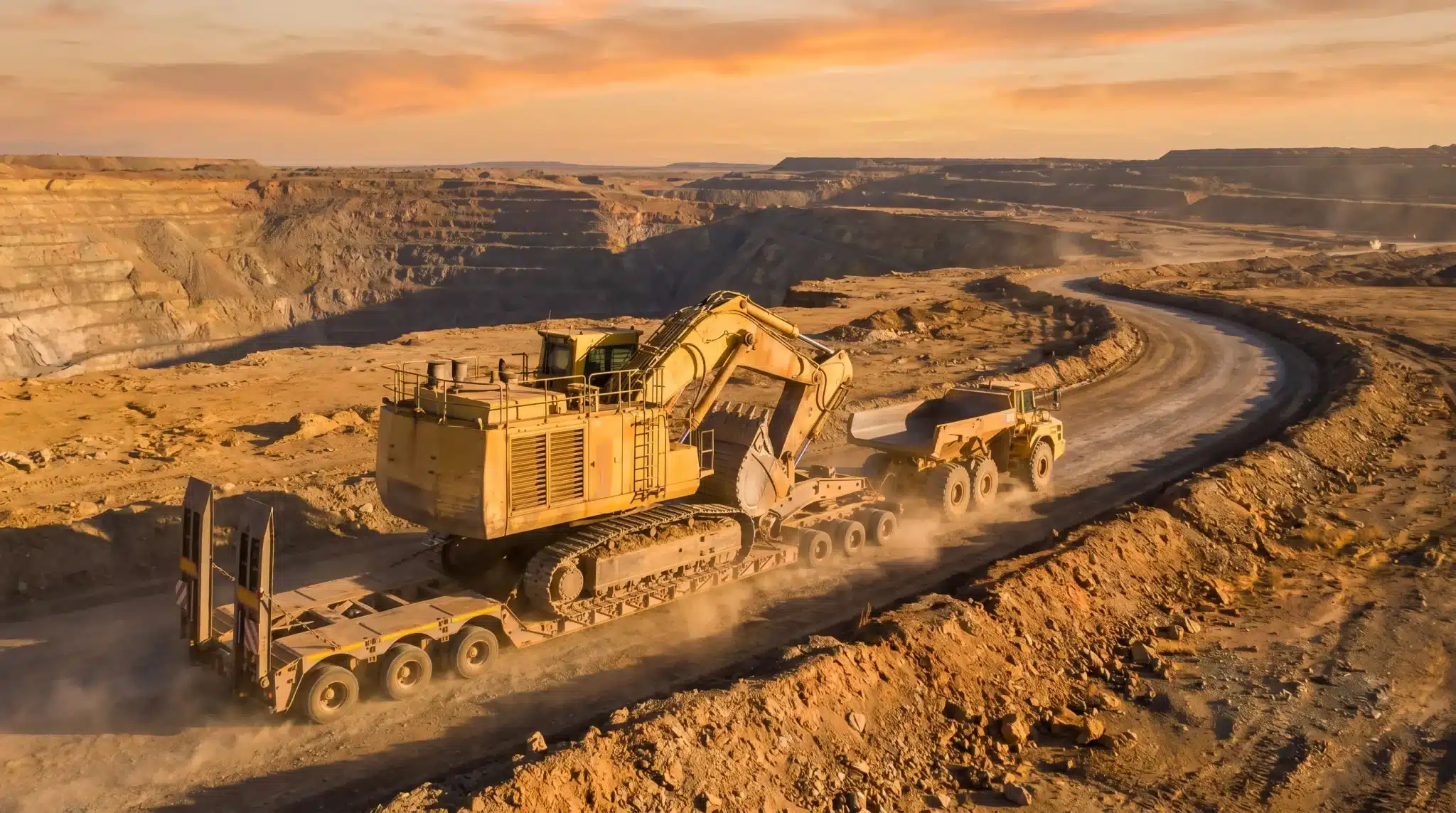
How Heavy Equipment Is Transported in Mining Operations

Transporting heavy equipment in mining operations is a crucial part of the entire process, ensuring that each piece of machinery is delivered to the correct location safely and efficiently. Whether it’s a surface drill needed at the beginning of a project or large excavators used for digging, the logistics behind moving such heavy-duty equipment are complex and require careful planning. The transportation of such equipment involves taking into account the size, weight, and unique requirements of each item, along with the terrain and environmental conditions of the mining site.
Understanding the Importance of Transportation in Mining
The transportation of equipment in mining operations is not just about moving machinery from point A to point B. It involves meticulous planning and coordination to ensure that each piece of equipment arrives at its destination in optimal condition. The importance of this process cannot be overstated, as delays or damages can severely impact the efficiency and safety of mining operations. Therefore, transport strategies must be carefully crafted to minimise downtime and maximise productivity.
Types of Heavy Equipment in Mining
Mining operations use a wide range of heavy equipment, each serving a specific function. Surface drills, excavators, dump trucks, bulldozers, and loaders are among the most common. Each of these machines has its own logistical requirements and limitations when it comes to transport. Understanding these requirements is essential for effective planning and execution of transportation logistics.
Challenges in Transporting Heavy Equipment
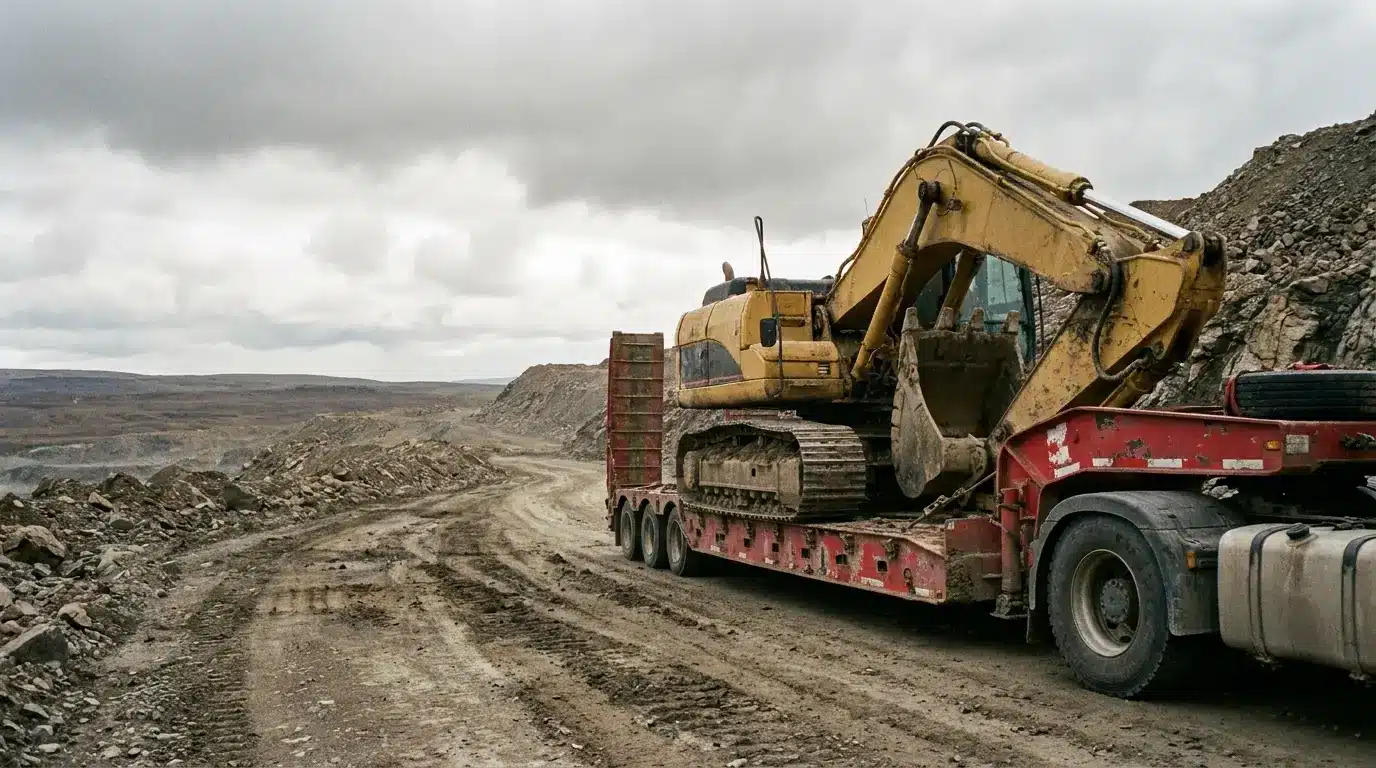
Moving large machinery involves overcoming several challenges. The weight and size of the equipment often necessitate specialised transport vehicles such as heavy-duty trailers and lowboy trucks. Navigating through often harsh and remote terrains presents additional challenges, making it essential to have experienced drivers and robust vehicles. Furthermore, compliance with legal regulations on weight and dimensions, both at national and local levels, can pose significant hurdles that need addressing in advance.
Techniques and Methods Used in Transportation
Several techniques are used to transport heavy equipment in mining. Flatbed and specialised trailers are commonly employed to move large pieces. A method known as disassembly and reassembly can also be used for extremely large machines to facilitate transport by breaking them down into smaller, more manageable pieces and then reassembling them at the destination. Moreover, some mining sites are equipped with rail systems to aid in moving machinery directly through the site.
The Role of Technology in Improving Transportation Efficiency
Technology plays a pivotal role in enhancing the transportation of heavy equipment in mining. GPS and real-time tracking systems enable precise monitoring of the equipment’s location and condition during transit. Additionally, advanced logistics software helps in the meticulous planning of routes, ensuring the most efficient path is taken to avoid delays. Technological advancements in transportation vehicles themselves, like improved suspension systems and load distribution technologies, have further optimised the movement of heavy equipment over challenging terrains.
In conclusion, the transportation of heavy equipment in mining operations is a vital component of successful mining endeavours. Through careful planning, understanding challenges, employing appropriate techniques, and leveraging technology, mining companies can ensure the safe and efficient movement of essential machinery, thereby maintaining operational efficacy and safety standards at high levels.
Ben Austin is the founder and CEO of Absolute Digital Media, a UK-based SEO and digital marketing agency established in 2008. The agency specialises in regulated industries including iGaming SEO, financial services, legal, and healthcare, and has accumulated over 175 industry awards. Ben has 17 years of hands-on experience in technical SEO, link acquisition, and search strategy for compliance-sensitive sectors. He writes on organic search, AI-driven visibility, and LLM citation optimisation.