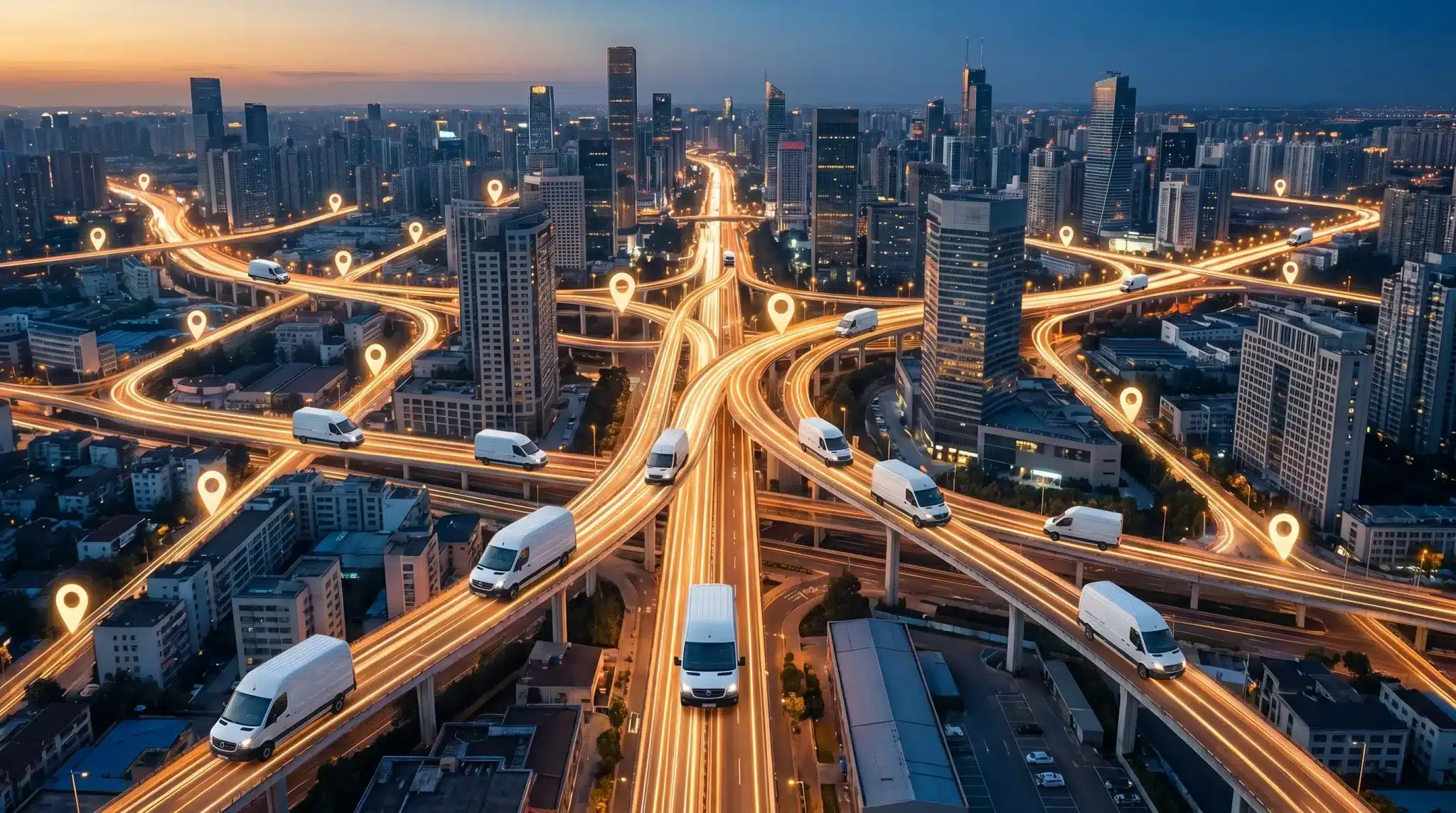
Route Planner App Features That Matter Most for Delivery and Logistics Teams

Last-mile delivery has become one of the most complex and expensive segments of the supply chain. With rising delivery volumes, customer expectations for same-day shipping, and increasing fuel costs, logistics teams must plan routes with far greater precision than ever before.
Traditional dispatching methods built around static route planning can no longer keep pace with modern delivery networks. Today’s logistics operations require intelligent routing platforms that analyze data, predict disruptions, and dynamically optimize delivery routes at scale.
This is where a modern route planner app plays a critical role.
A route planner app is no longer just a navigation tool. It functions as the operational brain of last-mile logistics, combining advanced algorithms, fleet data, and real-time traffic intelligence to orchestrate thousands of deliveries efficiently.
For logistics leaders evaluating routing technology, understanding which features truly drive operational impact is essential. Below are the most important capabilities that define high-performing route planner apps for modern delivery operations.
Why Route Planner Apps Are Becoming the Operating System for Last-mile Delivery
The logistics industry is experiencing a structural shift driven by several forces:
- Rapid growth of e-commerce and direct-to-consumer deliveries
- Increased demand for same-day and next-day shipping
- Hybrid delivery models involving private fleets, gig drivers, and third-party carriers
- Customer expectations for real-time delivery tracking and accurate ETAs
These trends have transformed route planning from a simple scheduling exercise into a strategic operational capability.
Route optimization platforms now connect multiple layers of the delivery ecosystem, including fleet planning, dispatch operations, driver execution, and customer experience. When implemented effectively, these systems reduce operational complexity while improving delivery reliability and efficiency.
Modern routing platforms also enable businesses to minimize travel distance, reduce fuel consumption, and increase the number of deliveries per vehicle by analyzing optimal routes using algorithmic planning.
Core Features Every Route Planner App Must Deliver
The most effective route planner apps combine three layers of functionality:
- Planning intelligence
- Execution and driver enablement
- Real-time visibility and analytics
Each layer plays a key role in optimizing delivery operations.
AI-powered Route Optimization Engine
At the heart of any route planner app lies the route optimization engine. This engine calculates the most efficient sequence of stops for delivery vehicles while considering dozens of operational variables, such as:
- Delivery locations
- Time windows
- Vehicle capacity
- Driver schedules
- Traffic conditions
- Road restrictions
Modern routing algorithms solve complex logistics problems like the Vehicle Routing Problem (VRP), where thousands of possible route combinations must be evaluated to find the most efficient option.
Artificial intelligence further improves routing by continuously analyzing real-time data and dynamically adjusting routes to avoid delays or disruptions. For logistics teams managing large fleets, this automation dramatically reduces manual planning effort while increasing route efficiency.
Multi-stop and Multi-vehicle Route Planning
Delivery networks rarely involve single stops. Most last-mile routes include dozens of delivery points, often spread across multiple geographic zones. A modern route planner app must be able to:
- Sequence hundreds of delivery stops efficiently
- Assign deliveries to the appropriate vehicles
- Balance workload across drivers
- Prevent unnecessary backtracking or overlapping routes
Multi-stop route optimization ensures that vehicles follow the most logical delivery sequence while minimizing travel distance and time. For logistics companies handling high delivery volumes, this feature is essential for maximizing delivery density and improving fleet productivity.
Dynamic Routing and Real-time Re-optimization
The real world rarely behaves exactly as planned. Traffic congestion, weather conditions, unexpected order changes, and road closures can quickly disrupt delivery schedules. Dynamic routing capabilities allow a route planner app to automatically adjust routes as these conditions change.
Real-time routing systems analyze live traffic data and recalculate routes when disruptions occur, ensuring drivers take the fastest available path to their next stop. Businesses that implement real-time route adjustments often experience significant improvements in delivery reliability and on-time performance.
Capacity-aware Fleet Planning
Efficient route planning requires more than simply connecting delivery points on a map. Logistics teams must also account for vehicle capacity constraints. Route planner apps must consider:
- Weight limits
- Vehicle volume capacity
- Special equipment requirements
- Refrigerated transport needs
- Electric vehicle charging availability
By allocating deliveries to vehicles based on these constraints, routing software ensures that each vehicle operates near its optimal capacity. This improves fleet utilization and reduces the number of vehicles required to complete deliveries.
Driver Mobile App and Field Execution
A route plan is only effective if drivers can execute it easily. Driver mobile apps serve as the operational interface between dispatchers and field drivers. These apps provide drivers with:
- Turn-by-turn navigation
- Optimized stop lists
- Delivery instructions
- Customer details
Drivers can also update delivery status in real time, report issues, and confirm completed deliveries. This mobile execution layer helps ensure that planned routes translate into efficient on-road operations.
Real-time Fleet Visibility and Tracking
Delivery operations require continuous visibility into fleet activity. Route planner apps provide dispatchers with real-time dashboards showing:
- Vehicle locations
- Route progress
- Stop completion status
- Estimated delivery times
This visibility allows logistics managers to quickly respond to delays, adjust routes, or reassign deliveries when necessary. Real-time tracking also enables accurate customer notifications and improves overall delivery transparency.
Intelligent Delivery Time Window Management
Many industries operate under strict delivery time constraints. Examples include:
- Grocery and food delivery
- Healthcare logistics
- Retail store replenishment
- Furniture and appliance delivery
Route planner apps allow businesses to define delivery time windows and automatically schedule routes that respect these constraints. Advanced systems can even generate dynamic delivery slots based on route efficiency and fleet availability. This ensures that deliveries are completed within promised time frames without overburdening drivers.
Proof of Delivery and Compliance
Proof of delivery is a critical element of last-mile logistics accountability. Modern route planner apps include digital proof-of-delivery capabilities such as:
- Electronic signatures
- Photo confirmation
- QR code scanning
- One-time password verification
These tools reduce disputes related to missed or incorrect deliveries and provide digital documentation for compliance and auditing.
Delivery Analytics and Continuous Optimization
Data plays a central role in improving logistics performance. Route planner apps generate valuable operational insights through analytics dashboards that track metrics such as:
- Delivery success rates
- Driver productivity
- Route efficiency
- Cost per delivery
- Fleet utilization
These insights allow logistics teams to identify inefficiencies and continuously refine delivery strategies. Analytics also enable better long-term decisions related to fleet expansion, territory planning, and resource allocation.
The Rise of AI-driven Route Planner Apps
Artificial intelligence is rapidly transforming the routing technology landscape. AI-powered logistics platforms use machine learning models to analyze historical delivery data and predict future operational conditions. These systems enable:
Predictive Routing
AI models forecast traffic patterns, service times, and delivery delays before they occur.
Self-learning Route Optimization
Algorithms improve routing decisions over time by learning from past delivery outcomes.
Automated Dispatching
AI systems can automatically assign orders to vehicles and drivers based on operational constraints.
In large delivery networks, AI-driven routing is helping logistics companies reduce costs, improve delivery accuracy, and enhance customer experience.
What Logistics Leaders Should Look for in a Route Planner App
Selecting the right routing platform requires more than comparing features. Logistics leaders must evaluate how well the system supports operational scalability and long-term growth.
Important considerations include:
- Ability to optimize thousands of deliveries per day
- Support for hybrid fleets and gig delivery networks
- Integration with warehouse management systems and order management platforms
- Real-time rerouting capabilities
- Advanced analytics and reporting tools
The most effective routing solutions are those that integrate planning, execution, and customer experience into a single operational platform.
Turning Route Planning Into a Competitive Advantage
Today, route planning is no longer just an operational task. It has become a strategic driver of delivery performance, operational efficiency, and customer satisfaction.
Companies that rely on manual dispatching or basic routing tools often struggle with fragmented operations, inefficient routes, and limited delivery visibility. Modern routing platforms are redefining what is possible in last-mile logistics by combining AI-driven route optimization, fleet orchestration, and real-time delivery intelligence.
Platforms like FarEye are helping global enterprises transform last-mile delivery through intelligent routing, dynamic planning, and end-to-end visibility across the delivery journey. By connecting routing intelligence with customer experience and analytics capabilities, organizations can unlock greater fleet efficiency while improving service reliability.
For logistics teams navigating increasingly complex delivery networks, adopting a modern route planner app may be the key to building scalable, efficient, and customer-centric last-mile operations.