
Expert Roof Repair Services for Long-Lasting Protection

Roofs take daily exposure from heat, rain, and wind. Small damage can grow fast if left untreated. Timely care helps avoid higher costs later.
Many property owners delay repairs until leaks appear. This often leads to deeper structural issues. Choosing reliable roof repair services helps extend the life of any roof.
Review the sections below to understand how proper repairs protect your property.
Understanding the Importance of Roof Repairs
Roof repairs keep a structure safe and stable. Small cracks can allow water to seep inside. Moisture can weaken wood and insulation over time. Regular repairs stop minor issues from growing. A well-maintained roof also improves indoor comfort.
Heat and air stay balanced when the roof is sealed. This reduces energy use during hot or rainy days. Proper repair work also supports property value. Buyers often check the roof condition before making decisions. Consistent upkeep shows that the property is well cared for.
Common Signs of Roof Damage
Roof damage often shows clear warning signs if checked regularly. Early detection helps avoid costly repairs. Many issues start small but grow over time. Paying attention to visible and hidden changes is important. A quick response can protect the entire structure.
Visible Interior Warning Signs
Water stains on ceilings are one of the first signs to notice. Discoloration often means a leak is already present. Peeling paint can also signal trapped moisture. Mold growth may appear in damp areas.
A musty smell can indicate hidden water damage. These signs usually point to problems above the ceiling. Ignoring them can lead to structural weakening. Interior issues often mean the roof needs immediate attention. Quick action helps prevent further spread. Regular checks inside the home are useful.
Exterior Surface Damage
Missing or cracked shingles are easy to spot from the outside. Damaged shingles expose the underlayer to weather. Curling edges show aging materials. Loose pieces can fall off during strong winds. Granules in gutters mean shingles are wearing down.
Dark patches may indicate moisture retention. Uneven surfaces can signal deeper issues. Surface damage often leads to leaks if ignored. Regular visual checks help catch these problems. Early repair keeps the roof intact.
Structural and Sagging Areas
Sagging sections suggest serious structural concerns. This may be due to trapped moisture or rot. Weak support beams can cause uneven surfaces. A dipping roofline should not be ignored. These issues often require immediate repair.
Delaying action can lead to collapse risks. Structural damage affects the entire roof system. Professional inspection is usually needed here. Strong support is key to roof stability. Early detection helps avoid major repairs.
Energy and Ventilation Clues
Sudden increases in energy bills may signal roof problems. Poor insulation allows heat to escape or enter. Blocked ventilation traps moisture inside. This can damage both the roofing and attic spaces. Uneven indoor temperature is another sign.
Hot or cold spots may appear in rooms. Proper airflow is important for roof health. Vent issues often go unnoticed at first. Regular checks can help spot them early. Fixing ventilation improves overall efficiency.
Causes of Roof Wear and Tear
The weather is the main cause of roof damage. Constant sun exposure dries out materials. Heavy rain weakens protective layers. Strong winds can lift or remove shingles. Poor installation can also lead to early damage.
Low-quality materials wear out faster. Lack of maintenance allows problems to build up. Tree branches can scratch or puncture surfaces. Debris can block drainage systems. Over time, all these factors reduce roof strength.
Benefits of Timely Repairs
Timely roof repairs help prevent small issues from turning into major damage. Acting early keeps repair costs more manageable. It also protects the structure from long-term wear.
Delays can lead to deeper problems that affect multiple areas. Consistent attention supports overall roof performance.
Preventing Costly Damage
Early repairs stop minor issues from spreading. Small leaks can grow into major water damage. Fixing them quickly avoids expensive restoration work. Structural components stay protected when damage is controlled.
Delayed repairs often lead to higher labor costs. Roofing materials may need full replacement if ignored. Preventive action keeps expenses lower over time.
Improving Energy Efficiency
Sealed roofs help maintain indoor temperature. Gaps and cracks allow heat to escape. This increases energy use during hot or rainy days. Timely repairs restore proper insulation.
Airflow stays balanced when the roof is intact. This reduces strain on cooling systems. Lower energy use can reduce utility costs.
Extending Roof Lifespan
Repairs done on time help the roof last longer. Damaged areas do not spread when fixed early. Materials stay in good condition for longer periods. This delays the need for full replacement.
Proper care supports long-term durability. Small fixes strengthen weak sections. Regular maintenance keeps the roof reliable.
Enhancing Safety and Protection
A well-maintained roof keeps the structure safe. It protects against leaks during heavy rain. Strong surfaces resist wind and debris impact. Timely repairs prevent sudden failures.
Weak spots are reinforced before they worsen. This reduces risks to people inside. A stable roof supports the entire building.
Choosing the Right Repair Approach
Each roof problem needs a specific solution. Quick patching may work for minor issues. Larger damage may require partial replacement. A proper inspection helps decide the right method. Skilled workers assess the full condition.
They check both surface and underlying layers. The goal is to fix the root cause. Short-term fixes can lead to repeat problems. A clear repair plan ensures better results. Correct methods save time and cost.
Inspecting Roof Structure Before Repair
A full inspection comes before any repair work. This helps identify hidden damage. Structural integrity must be checked first. Weak areas can affect the entire system. Professionals look at support beams and decking.
They also assess moisture levels inside layers. Ventilation and insulation are reviewed. Any signs of rot must be addressed. A strong base ensures lasting repairs. Skipping inspection can lead to failure later.
Repairing Shingles and Surface Materials
Shingles protect the roof from direct exposure. Damaged ones must be replaced quickly. Loose pieces can be reattached if still usable. Cracked shingles are usually removed. Matching materials keep the look consistent. Proper sealing prevents water entry.
Surface repairs should blend with existing layers. Careful handling avoids further damage. Workers must secure each section tightly. This ensures a smooth and strong finish.
Fixing Roof Leaks Effectively
Leaks require fast action to prevent spread. The source must be located first. Water may travel before it becomes visible. Repairing only the surface is not enough. Sealing the entry point is key.
Flashing and joints must be checked. Proper materials stop water from coming back. Interior damage should also be assessed. Drying affected areas helps prevent mold. A full fix restores protection.
Addressing Flashing and Sealant Issues
Flashing protects joints and edges of the roof. It often fails due to wear or poor installation. Gaps in flashing allow water entry. Sealants may crack over time. Replacing damaged flashing is important.
New sealant helps close all openings. Proper alignment ensures full coverage. These small parts play a big role. Ignoring them can lead to major leaks. Regular checks keep them in good condition.
Improving Roof Ventilation
Ventilation controls heat and moisture inside the roof. Poor airflow can damage materials. It can also cause mold growth. Repair work often includes checking vents. Blocked vents must be cleared.
New vents may be added if needed. Balanced airflow protects insulation. It also helps maintain indoor temperature. Proper ventilation supports long-term roof health. This step should not be skipped.
Handling Storm-Related Damage
Storms can cause sudden roof damage. High winds may remove shingles. Heavy rain can lead to leaks. Debris can hit and puncture surfaces. After a storm, inspection is important. Quick repairs prevent further damage.
Temporary covers may be used at first. Permanent fixes should follow soon after. Delays can make the problem worse. A proper response keeps the roof secure.
Maintaining Gutters and Drainage
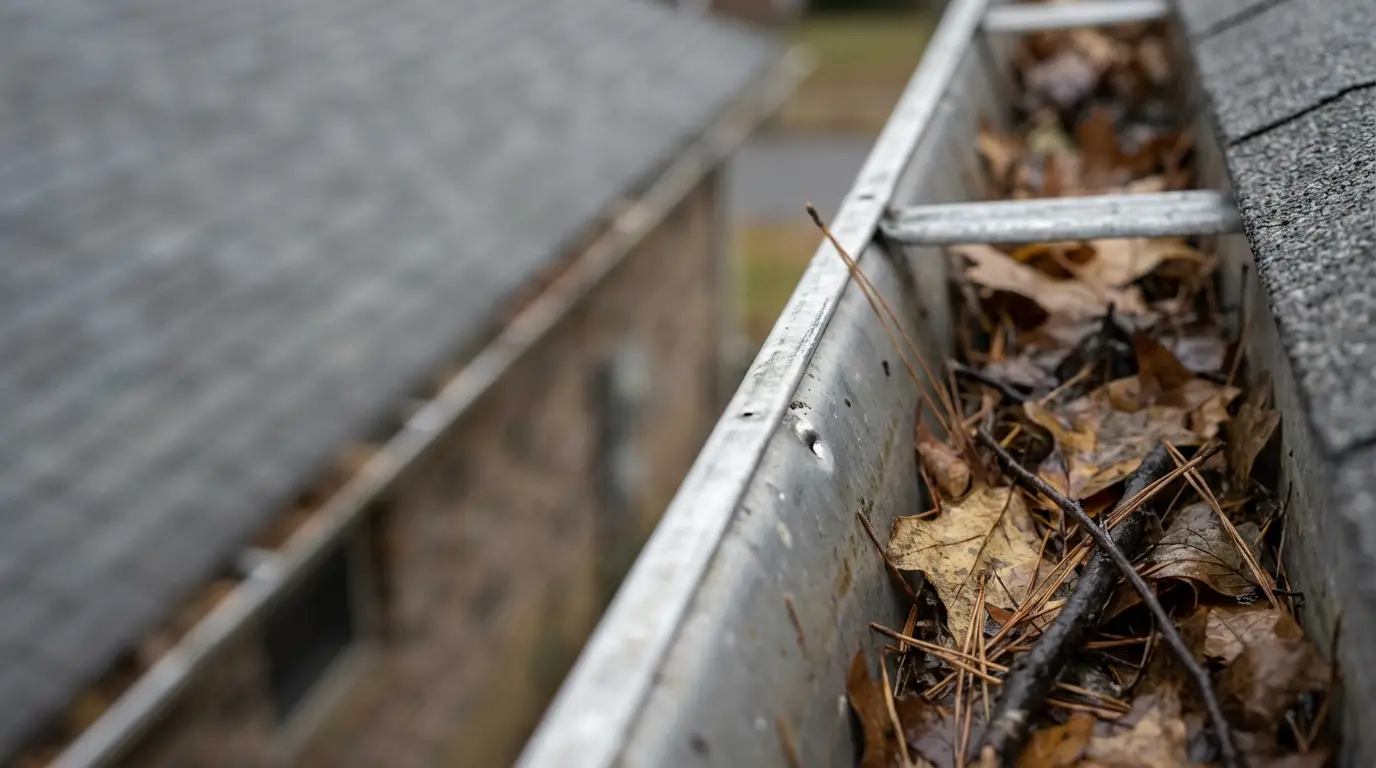
Gutters guide water away from the roof. Blocked gutters cause water buildup. This can damage edges and walls. Cleaning gutters is part of roof care. Repairs may include fixing broken sections.
Proper drainage prevents standing water. Downspouts should direct water away from the base. Regular maintenance keeps the system working. This reduces stress on roofing materials. A clean system supports overall protection.
Repairing Roof Valleys and Edges
Valleys handle heavy water flow during rain. They are more prone to leaks. Edges also face strong wind exposure. Damage in these areas spreads quickly. Repairs must be precise and strong.
Extra sealing is often required. Materials should overlap correctly. Workers must secure these sections well. Proper repair prevents water entry. Strong edges help the roof last longer.
Using Durable Repair Materials
Material choice affects repair quality. Strong materials last longer under stress. They resist the weather and wear better. Matching existing materials is also important. This keeps the roof consistent.
High-quality sealants provide better protection. Durable shingles reduce future repairs. Investing in good materials saves money over time. Cheap options may fail early. Quality work depends on quality materials.
Preventing Future Roof Problems
Repairs should include preventive steps. Small changes can reduce future damage. Regular cleaning removes harmful debris. Trimming nearby trees lowers risk. Proper sealing keeps moisture out.
Scheduled inspections catch early issues. Maintenance plans help track roof condition. Preventive care reduces repair frequency. It also extends roof lifespan. A proactive approach works best.
Importance of Professional Expertise
Skilled workers understand roofing systems well. They know how to handle different materials. Proper tools ensure safe and accurate work. Experience helps identify hidden problems. Reliable work reduces repeat issues.
A trusted roof repair company can deliver consistent results. They follow proper safety standards. This protects both workers and property. Professional work often lasts longer. Choosing expertise improves overall outcomes.
Cost Factors in Roof Repairs
Repair costs vary based on damage level. Material type also affects pricing. Labor is another key factor. Emergency repairs may cost more. Larger areas need more time and resources.
Quality materials may increase upfront cost. However, they reduce future expenses. Inspection fees may also apply. Clear estimates help plan the budget. Understanding costs avoids surprises.
Safety Measures During Repairs
Roof work involves safety risks. Workers must use proper gear. Harnesses and helmets are essential. Stable ladders reduce fall risk. Weather conditions should be checked before work.
Wet surfaces can be dangerous. Safety training is important for all workers. Proper planning prevents accidents. Safe work ensures smooth progress. Protection should always come first.
Repairing Flat and Sloped Roofs
Different roof types need different methods. Flat roofs often face drainage issues. Sloped roofs deal with wind and runoff. Materials vary for each type. Repair techniques must match the design.
Flat roofs may need sealing layers. Sloped roofs may need shingle replacement. Each requires proper inspection. Using the right method ensures durability. One approach does not fit all.
Extending Roof Lifespan Through Care
Regular care helps roofs last longer. Cleaning and inspection are simple steps. Timely repairs prevent early replacement. Proper ventilation reduces stress on materials. Quality repairs strengthen weak areas.
Consistent upkeep protects the structure. A well-maintained roof performs better. It also saves money over time. Long lifespan depends on regular attention. Care should be ongoing.
Preparing for Seasonal Changes
Different seasons bring different challenges. Rainy periods increase leak risks. Hot weather can dry out materials. Preparing the roof before each season helps. Repairs should be done early.
Clearing debris before heavy rain is important. Checking seals before heat exposure helps too. Seasonal care reduces damage. It keeps the roof ready for changes. Preparation avoids sudden problems.
Evaluating Repair Results
After repairs, the roof should be checked again. This confirms that issues are resolved. Workers inspect all repaired areas. They ensure proper sealing and fit. Any missed spots should be fixed.
Testing for leaks may be done. A final review gives confidence in the work. Documentation can help track repairs. Regular follow-up checks are useful. Good results mean long-term protection.
Only Go for Expert Roof Repair Services for Long-Lasting Protection
Roof repairs play a key role in keeping any property safe. Ignoring small issues can lead to major damage. Timely action helps avoid high costs and stress. Proper inspection ensures that all problems are found early. Using the right materials improves repair quality.
Skilled work delivers stronger and longer results. Regular maintenance supports overall roof performance. Each repair step adds to long-term protection. A well-maintained roof gives lasting value. Consistent care is the best way to protect any structure.
Should you wish to read more, visit our blog. We’ve got more topics!