Child Injury Claims: How Texas Law Protects Minors in Car Accident Cases

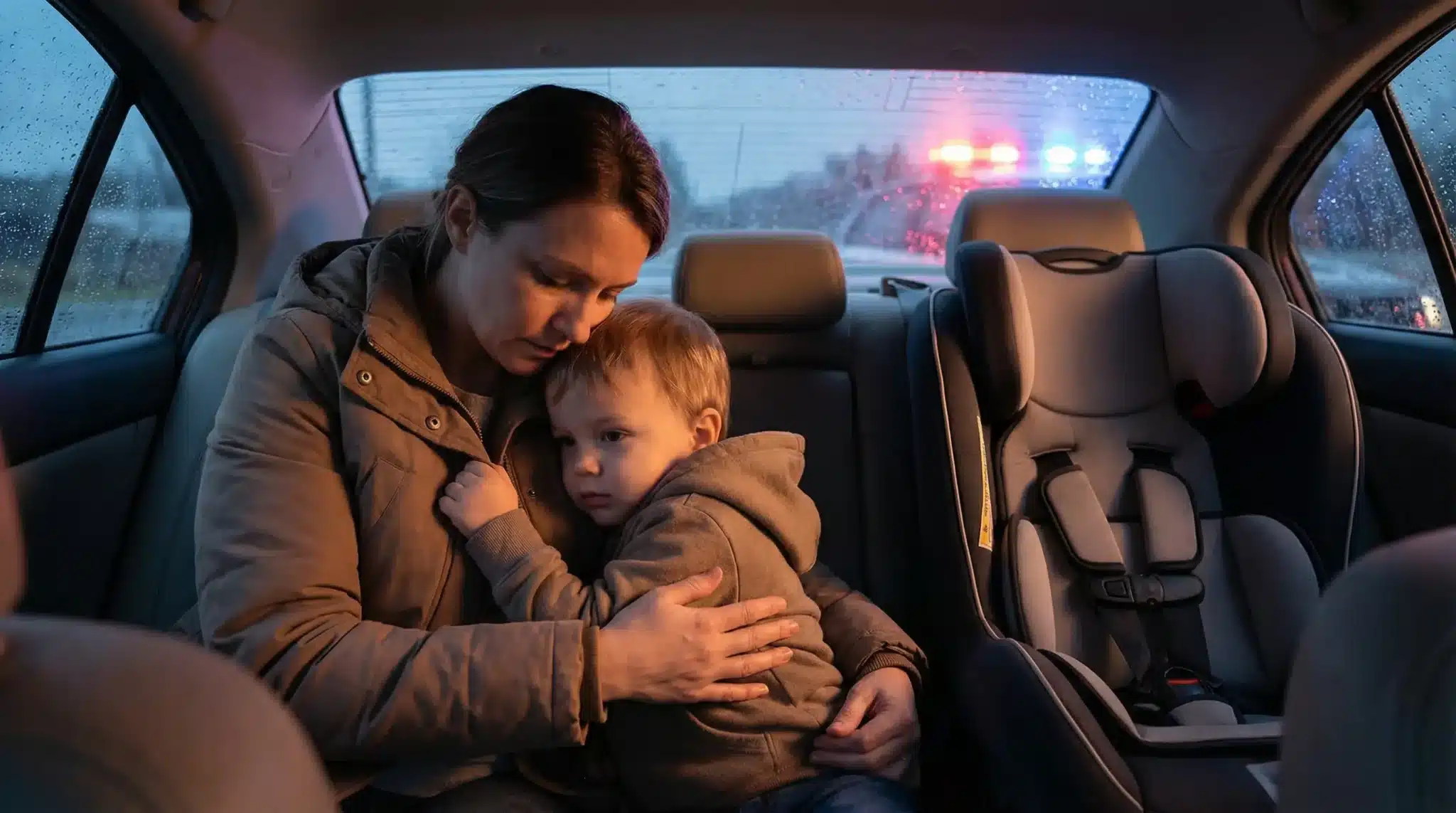
When a child is hurt in a car accident, it can be shocking for parents, raising many questions. They face ER visits, follow-up appointments, school changes, and health concerns. Insurance companies often act quickly, requesting statements and paperwork that can impact a child’s future. Child injury claims are different from adult claims, and Texas law protects minors to ensure they are treated fairly.
Children’s injuries can change as they grow. A “minor” fracture can harm a growth plate, and a concussion can affect learning. Scarring and emotional trauma can worsen over time. Texas laws ensure a child’s settlement is carefully reviewed and structured to protect their future. If you need help navigating these rules, a car accident attorney can assist in safeguarding your child’s claim and long-term needs.
Minors Can’t Legally “Sign Away” Their Rights Like Adults
One of the biggest protections for children is simple: minors generally cannot enter binding legal contracts the same way adults can. That matters because injury claims are often resolved through settlement agreements that release the at-fault party from future responsibility. Texas law places additional safeguards around settlements involving children so that a minor’s claim isn’t permanently closed without proper oversight.
In practice, this means a child’s settlement may require court involvement, especially when the amount is significant. The goal is to ensure the resolution is fair, that the child’s needs are considered, and that the funds are protected for the child rather than spent or mishandled.
The Claim Often Involves Two Sets of Damages
Child injury cases commonly involve two different categories of damages that can be easily confused. First, there are damages tied to the child’s injury—things like pain and suffering, impairment, disfigurement, and the child’s future medical impact. Second, there are damages that may belong to the parent, such as certain medical expenses paid by the parent and sometimes lost time at work while caring for the child.
How damages are categorized matters for settlement structure and documentation. It also matters for negotiation because insurers sometimes try to blend everything together and offer a single low number that doesn’t reflect the long-term impact on the child. A clear breakdown helps prevent that.
Why Child Injuries Are Evaluated Differently
Children are not just “small adults.” Their bodies are still developing, and injuries can affect growth, mobility, and long-term function. Growth plate injuries, for example, can cause uneven limb growth or permanent joint problems. Even soft-tissue injuries can become chronic if they change movement patterns during development.
Cognitive and emotional effects matter too. A child who experiences a concussion or traumatic event may struggle with attention, sleep, irritability, and school performance. These issues can be subtle at first and become clearer over time. That’s why rushing to settle early can be risky: the full impact may not be known for months.
Court Approval and Protected Funds Are Common in Minor Settlements
When a child’s settlement is substantial, Texas courts often require a review to confirm that the settlement is in the child’s best interest. Courts may also require that funds be protected—commonly through structured settlements, trusts, or court-controlled accounts—so the money is preserved for the child’s benefit.
This protects against a major risk in child claims: using settlement funds for immediate household needs and leaving the child without resources later. The exact structure depends on the facts, but the guiding idea is the same: a child’s compensation should remain available for the child’s future medical care, education needs, or long-term support.
Statute of Limitations Rules Can Be Different for Minors
Texas law generally provides extra time for minors to bring certain claims because children can’t file lawsuits on their own. This is sometimes referred to as “tolling,” meaning the clock may not run the same way it does for adults. However, parents should never assume time is unlimited, because related claims—especially those tied to medical expenses—may have different deadlines and practical constraints.
Also, waiting too long can weaken evidence even if the legal deadline is extended. Witnesses disappear, videos are overwritten, and accident details fade. Even when the law allows more time, earlier action often strengthens the claim.
Insurance Companies Still Push for Fast Closures
Even with extra protections, insurers may pressure families to resolve quickly. They may frame a payout as “helpful” for current bills, especially when parents are stressed. But early offers often reflect the insurance company’s goal: closing the file before the long-term impact is known.
This is especially risky if the child may need future therapy, orthopedic follow-ups, scar revision, counseling, or academic support. Once a settlement is finalized, you usually can’t go back and ask for more—even if future complications appear. A cautious approach protects the child’s future, not just today’s bills.
What Parents Should Document After a Child Is Hurt
Documentation becomes your child’s protection. Keep all medical records, imaging results, prescriptions, therapy notes, and referral paperwork. Take photos of visible injuries over time, especially bruising and scarring, as it heals. Track school impacts such as missed days, learning difficulties, and counselor notes if emotional symptoms appear.
Also, keep a simple log of how your child’s daily life changed: sleep disruption, fear of riding in cars, difficulty playing sports, headaches, behavior changes, or limitations in activities. These details help show the real impact of the injury beyond bills.
How Fault Issues Affect Child Claims
Fault still matters in child injury cases because Texas uses comparative fault rules in many accidents. However, the analysis can look different depending on the child’s age and what was reasonable for a child to do in the circumstances. In car accidents, fault often centers on the drivers—not the child passenger—but issues like seat belt use, car seat installation, and supervision can become points insurers raise.
If a child was a passenger, the primary focus is usually on the negligent driver who caused the crash. But insurers may still try to complicate the claim, especially when multiple vehicles are involved. Strong evidence and clear documentation help keep the case centered on driver responsibility.
Child Claims Are Built to Protect the Future
Texas law treats child injury claims differently because children deserve extra protection when life-altering decisions—like settlements—are being made. These cases often involve special procedures, careful court oversight, and settlement structures designed to protect the child’s compensation. If your child was hurt in a crash, taking a well-documented patient approach helps ensure the claim reflects not only the immediate medical needs, but also the long-term impact on your child’s growth, health, and future.