What Helps Ease Preschool Separation Anxiety in Coral Gables

Starting preschool is a significant milestone for young children and their families. Excitement often mixes with worry as children adjust to new surroundings, unfamiliar adults, and time away from caregivers. Separation anxiety is a normal developmental response, yet when supported thoughtfully, it can become a short phase rather than a lasting challenge.
For families choosing a preschool in Coral Gables, understanding how schools and parents work together to support emotional adjustment is essential. Local programs often emphasize gentle transitions, emotional awareness, and consistent communication to help children feel safe and confident. When these elements are in place, separation anxiety becomes manageable and predictable.
Understanding Why Separation Anxiety Occurs
Separation anxiety stems from a child’s growing awareness of attachment and independence. Young children rely heavily on familiar adults for emotional regulation. When those adults leave, even temporarily, children may feel uncertain or unsafe.
This response reflects healthy emotional development rather than weakness. Recognizing anxiety as a natural stage helps adults respond with patience and reassurance rather than urgency or frustration.
Gradual Transitions That Build Trust
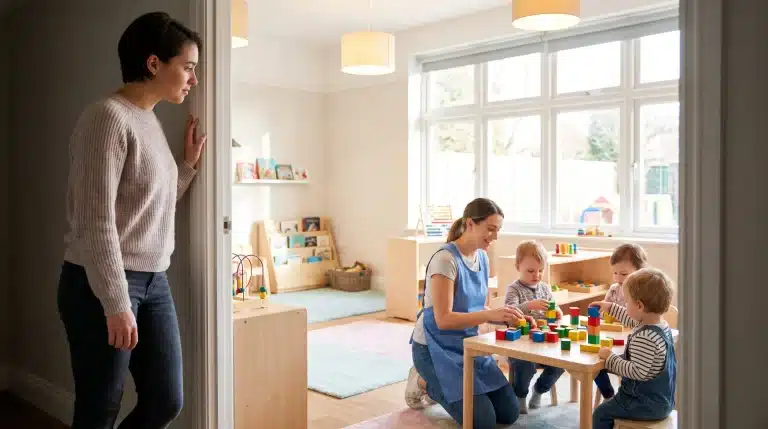
One of the most effective ways to ease separation anxiety is through gradual transitions. Short initial visits allow children to explore the classroom with a caregiver present. Over time, the length of independent stays increases as comfort grows.
These gradual steps teach children that separation is temporary and predictable. Familiarity replaces fear, and trust develops through repeated positive experiences.
Consistent Morning Routines and Predictability
Children feel more secure when daily routines follow a familiar pattern. Predictable arrival routines signal safety and stability. Simple actions such as hanging up a backpack, greeting a teacher, and choosing an activity help children understand what comes next.
Consistency reduces uncertainty. When children know what to expect, emotional reactions become less intense. Predictable routines also give children a sense of control during transitions.
Warm Teacher Child Relationships
Strong connections with educators play a critical role in easing anxiety. When children trust teachers, they feel supported even when caregivers are not present. Teachers who greet children warmly and acknowledge emotions help normalize feelings.
Responsive educators validate emotions without reinforcing distress. Gentle reassurance and engagement in activities redirect attention and build confidence gradually.
Classroom Environments That Promote Comfort
The physical environment influences emotional well-being. Calm, organized classrooms with soft lighting, familiar materials, and cozy spaces provide comfort during adjustment periods.
Quiet areas allow children to self-regulate when emotions feel overwhelming. Visual cues, such as family photos or familiar objects, can also help children feel connected while away from home.
Clear Communication Between Families and Schools
Open communication helps align expectations and responses. When parents and teachers share insights about a child’s needs, strategies become more effective. Consistent messaging reassures children that adults are working together.
Daily updates and check-ins allow families to track progress and celebrate small successes. This transparency builds trust and reduces anxiety for both children and caregivers.
Encouraging Emotional Expression
Children benefit from learning how to express emotions verbally. Teachers who model emotional language help children identify feelings rather than acting them out.
Simple phrases that name emotions teach children that anxiety is acceptable and manageable. Over time, children develop coping strategies that reduce emotional intensity during separation.
Short and Confident Goodbyes
Lengthy or emotional goodbyes often increase anxiety. Clear, calm departures send a message of confidence. When caregivers communicate trust in the school environment, children are more likely to feel secure.
A consistent goodbye ritual provides closure. Predictable farewells help children transition more smoothly into classroom activities.
Familiar Objects and Transitional Items
Comfort items such as a favorite stuffed toy or a small family photo can ease the transition. These items provide a sense of continuity between home and school environments.
Transitional objects serve as emotional anchors. They remind children of home while encouraging independence within the classroom setting.
Peer Interaction and Social Belonging
Friendships play an essential role in reducing separation anxiety. Positive peer interactions distract from distress and create a sense of belonging.
Teachers often pair children with peers who demonstrate confidence or kindness. These social connections foster emotional security and engagement.
Patience and Individual Adjustment Timelines
Every child adjusts at a different pace. Some children settle quickly, while others require more time. Respecting individual timelines prevents unnecessary pressure.
Celebrating progress, no matter how small, reinforces confidence. With patience and consistent support, anxiety typically decreases as children adapt.
Supporting Confidence Beyond the Classroom
Caregivers can reinforce positive experiences through conversation and reassurance at home. Discussing enjoyable moments from the school day helps children reframe their experience.
Maintaining a calm tone and avoiding excessive worry communicates trust. Children often mirror adult emotions, making caregiver confidence essential.
Where Comfort Grows Through Careful Support
Preschool separation anxiety in Coral Gables eases when children feel understood, supported, and secure. Through consistent routines, strong relationships, and collaborative communication, children gain confidence in their new environment. These early experiences build emotional resilience that supports future learning and independence.