The Complete Commercial Fitout Lifecycle: From Initial Setup to End-of-Lease Obligations

Commercial tenancies involve far more than simply occupying a space and paying rent. Business owners must understand the entire lifecycle of their premises from initial fitout through to eventual departure.
Smart operators plan for every phase of their commercial tenancy from day one. This forward-thinking approach prevents costly surprises and ensures smooth transitions throughout the business journey.
Understanding Commercial Lease Obligations
Australian commercial leases contain specific requirements regarding premises condition. Tenants typically must return spaces to their original state when vacating.
These obligations, known as make good clauses, carry significant financial implications. Failing to understand these requirements upfront leads to unexpected expenses at lease end.
Landlords expect properties restored to base building condition upon departure. This may involve removing all tenant improvements, fixtures, and modifications completely.
The Make Good Process Explained
End-of-lease restoration encompasses numerous activities depending on the tenancy modifications made. Partition walls, floor coverings, and ceiling alterations typically require removal.
Electrical and data installations must be stripped back to their original configurations properly. Painted surfaces need restoration to standard finishes specified in lease agreements.
A professional warehouse make good services ensure compliance with lease obligations efficiently. These specialists understand landlord expectations and deliver results meeting contractual requirements precisely.
Attempting make good work without professional assistance often proves false economy ultimately. Inexperienced contractors frequently miss requirements, resulting in disputes and additional costs.
Planning for Make Good from Day One
Wise tenants document premises condition thoroughly before commencing any fitout work. Photographic evidence establishes baseline conditions for future reference clearly.
Maintaining records of all modifications throughout tenancy simplifies eventual make good planning. This documentation identifies exactly what requires removal or restoration later.
Budget allocation for end-of-lease obligations should occur when signing leases initially. Setting aside funds progressively prevents financial strain when departure time arrives.
Balancing Fitout Investment with Future Obligations
Commercial fitouts represent significant capital investments for most businesses today. However, every improvement potentially creates future liability simultaneously.
Strategic fitout decisions consider both operational benefits and eventual restoration costs carefully. Some modifications deliver value exceeding their make-good implications substantially.
Permanent structural changes typically create greater restoration obligations than cosmetic improvements. Understanding this distinction guides smarter investment decisions throughout tenancies.
Energy Efficiency in Commercial Spaces
Modern commercial tenants increasingly prioritise energy efficiency in their premises. Utility costs significantly impact operational budgets across all business sectors.
Building envelope improvements deliver ongoing savings throughout entire tenancy periods. Windows particularly influence both energy consumption and occupant comfort levels dramatically.
Older commercial buildings often feature inefficient glazing systems, wasting energy continuously. Upgrading these elements reduces operational costs while improving workplace environments substantially.
The Role of Quality Windows in Commercial Fitouts
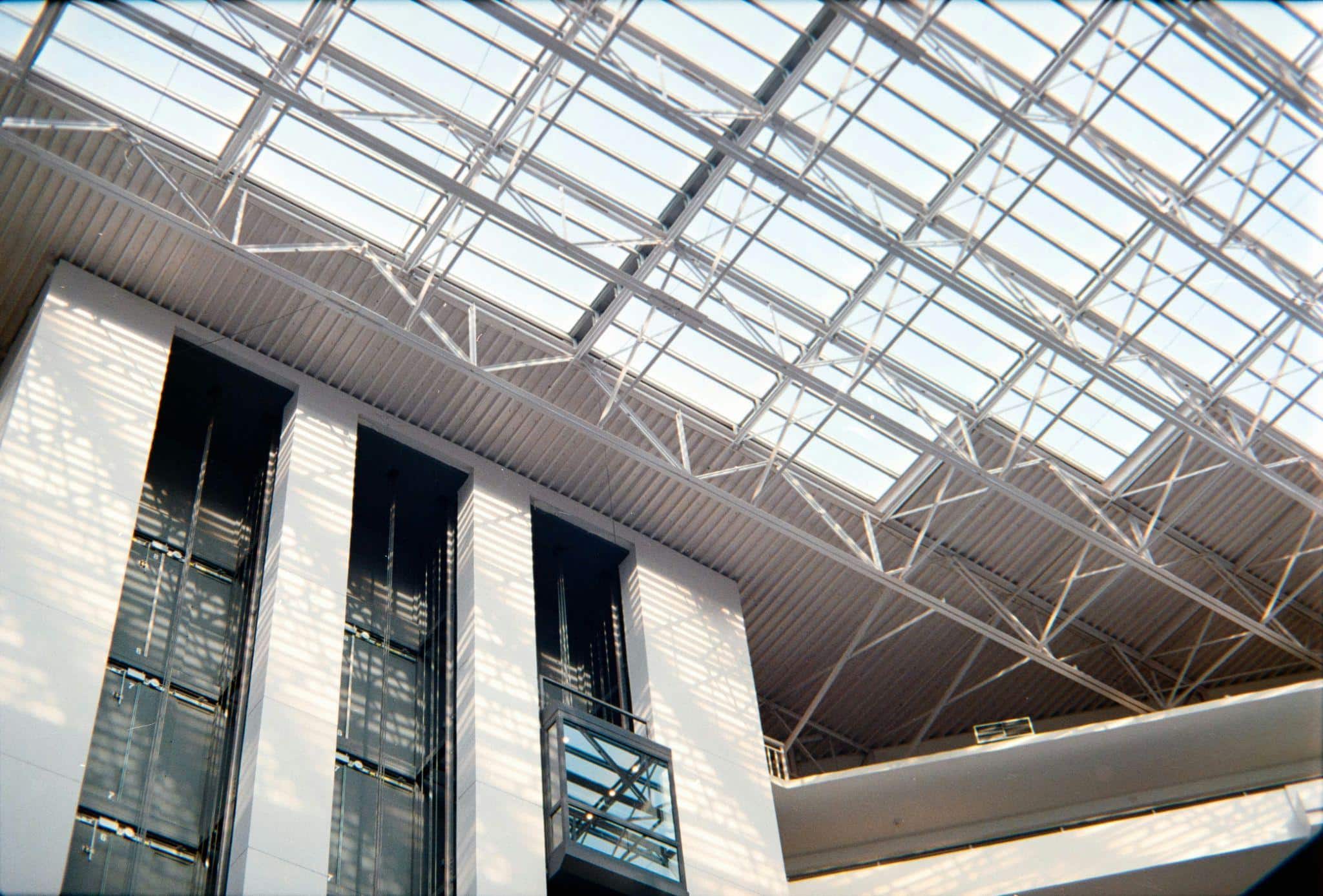
Windows serve multiple functions beyond simply admitting natural light inside. They contribute to thermal performance, acoustic isolation, and security simultaneously.
Commercial spaces have benefited enormously from modern window technology advancements recently. Superior glazing systems maintain comfortable temperatures while reducing HVAC demands significantly.
Businesses seeking quality window solutions should consider specialists like UPVC Windows Sydney for their projects.
UPVC frames offer exceptional thermal performance, durability, and low maintenance characteristics, ideally suited for commercial applications.
The noise reduction properties of quality windows prove invaluable in urban commercial locations. Employee productivity improves markedly in acoustically comfortable work environments.
UPVC Advantages for Commercial Applications
UPVC window systems deliver compelling benefits over traditional aluminium alternatives consistently. Their superior insulation properties reduce energy consumption measurably throughout building lifespans.
Maintenance requirements remain minimal compared to timber or steel window options available. The material resists corrosion, fading, and weathering without ongoing treatment needs.
Security features integrate seamlessly into UPVC window designs for commercial premises. Multi-point locking systems and reinforced frames deter unauthorised entry effectively.
Negotiating Fitout and Make Good Terms
Lease negotiations present opportunities to clarify fitout and make good expectations. Ambiguous contract language creates disputes that benefit neither party ultimately.
Tenants should seek specific definitions of base building condition in all leases. Understanding exactly what restoration means prevents disagreements when vacating premises later.
Some landlords accept negotiated arrangements that make good arrangements benefiting both parties mutually. Leaving certain improvements may enhance property value for subsequent tenants.
Working with Professional Fitout Contractors
Quality fitout contractors understand both installation and future removal implications thoroughly. Their experience guides decisions balancing immediate needs with long-term obligations.
Established contractors maintain relationships with make-good specialists for seamless transitions. This continuity ensures modifications are installed in ways facilitating eventual removal efficiently.
Documentation provided by professional contractors supports making good planning comprehensively. Detailed records of all work performed simplify restoration scoping considerably.
Timing Considerations for Commercial Transitions
Lease expiry dates create firm deadlines for completing make-good obligations successfully. Underestimating required timeframes results in penalties and extended occupancy costs.
Professional services require adequate booking lead times during busy periods. Planning transitions months in advance ensures preferred contractors remain available.
Phased approaches allow continued operations during extensive restoration projects sometimes. Careful scheduling minimises business disruption while meeting contractual deadlines reliably.
Cost Management Strategies


Make good costs vary dramatically depending on the modification and the premises’ size. Professional assessments provide accurate budgets for planning purposes early.
Competitive quotations from multiple qualified contractors ensure fair pricing consistently. However, the cheapest options rarely deliver the best value when quality matters significantly.
Contingency allowances accommodate unexpected discoveries during restoration work sensibly. Hidden conditions behind walls or above ceilings frequently require additional attention.
Sustainable Approaches to Commercial Fitouts
Environmental responsibility increasingly influences commercial fitout decisions today. Sustainable materials and practices benefit both businesses and broader communities.
Recycling and repurposing fitout materials reduces waste during both installation and removal phases. Many components find second lives in other commercial applications readily.
Energy-efficient improvements like quality windows contribute to sustainability goals meaningfully. Reduced energy consumption lowers carbon footprints throughout building operational lifespans.
Legal Considerations and Dispute Resolution


Commercial lease disputes regarding make-good obligations occur frequently, unfortunately. Clear documentation and professional execution minimise conflict potential substantially.
Legal advice before signing leases identifies potential issues requiring clarification immediately. This investment prevents far greater expenses from resolving disputes later.
Independent condition reports at tenancy commencement and conclusion establish objective records. These documents prove invaluable if disagreements arise regarding restoration adequacy.
Building Relationships with Landlords
Positive landlord relationships benefit tenants throughout entire commercial tenancies consistently. Open communication prevents misunderstandings regarding expectations and obligations.
Proactive discussion of proposed modifications before commencing work avoids problems later. Landlord approval documented in writing protects tenant interests comprehensively.
Demonstrating responsibility throughout tenancy builds goodwill supporting favourable negotiations always. This relationship investment pays dividends when discussing make good arrangements eventually.
Future-Proofing Your Commercial Space
Business needs evolve constantly, requiring adaptable commercial premises ideally. Flexible fitout approaches accommodate change without excessive modification costs.
Modular systems enable reconfiguration as operations develop over time naturally. These solutions often simplify make good processes through easier removal characteristics.
Technology infrastructure should anticipate future requirements beyond current needs adequately. Provisions for emerging systems prevent disruptive retrofitting exercises later.
Selecting the Right Partners
Commercial fitout success depends heavily on partner quality throughout all phases. From initial contractors through make good specialists, expertise matters enormously.
Track records demonstrate capability more reliably than proposals or promises alone. References from similar completed projects provide valuable performance insights.
Integrated service providers offering both fitout and make good capabilities simplify coordination significantly. Single-source responsibility eliminates finger-pointing between separate contractors effectively.
Conclusion
Commercial fitouts represent significant investments requiring careful lifecycle planning throughout. Understanding obligations from initial setup through eventual departure protects business interests.
Quality improvements like energy-efficient windows deliver ongoing benefits justifying their investment clearly. Professional make good services ensure smooth transitions meeting all contractual requirements.
Your commercial premises should support business success at every stage of tenancy. Partner with experienced professionals who understand the complete commercial fitout journey.